小汤山医院升级改造应急工程,北京/建筑
小汤山医院在2003年因为集中收治SARS患者而闻名。17年后的2020年,它再次被启用作为传染病定点医院。
Xiaotangshan Hospital was famous in 2003 for its centralized treatment of SARS patients. In 2020, 17 years later, it was once again used as a designated hospital for infectious diseases.
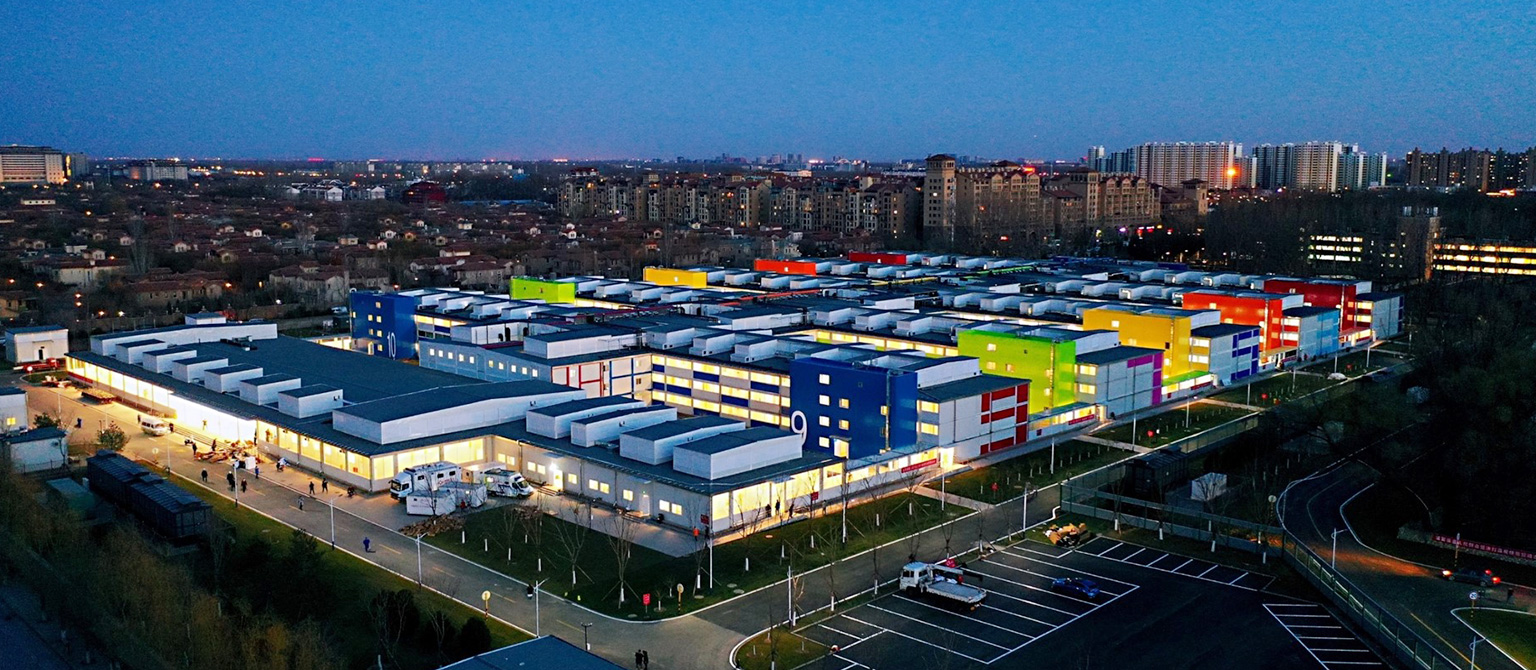
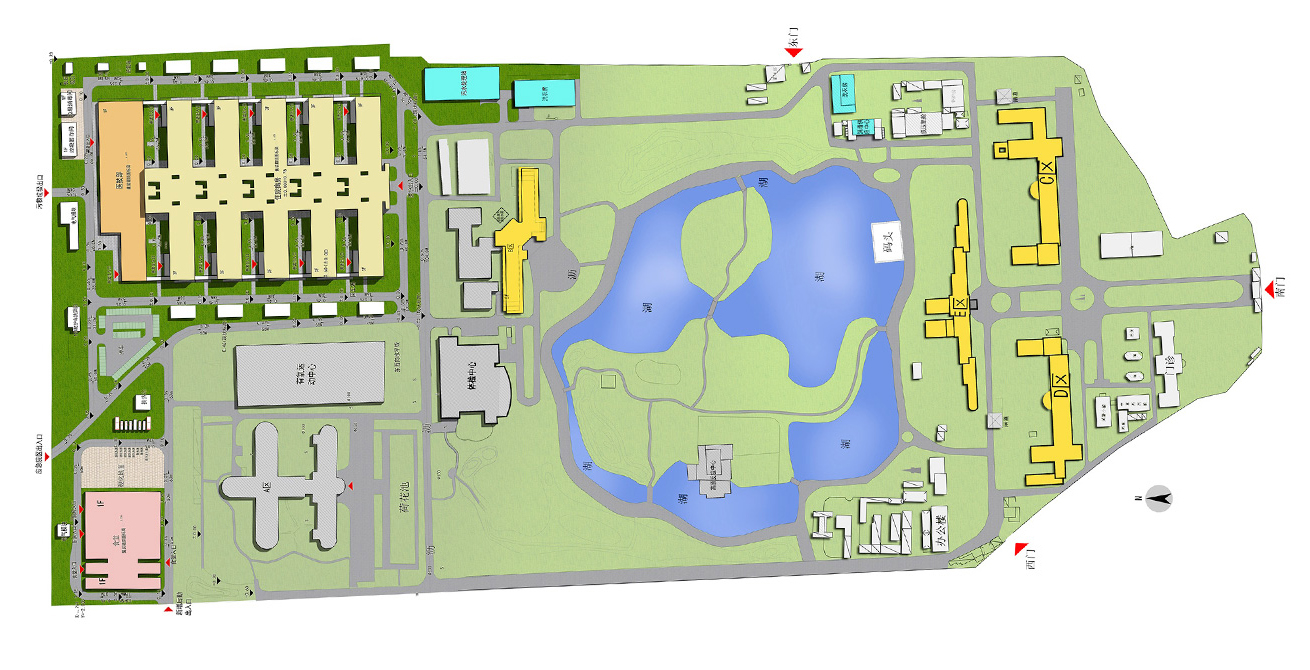
本项目为了应对年初突如其来的新冠疫情而新建的1500床临时医院,全部按照传染病房标准设计建造,采用集装箱模块设计建造。虽为临时应急建筑,但也为中长期备用使用考虑,从建筑功能上考虑完善,还设计了附属配套的应急设施,保证疫情来临时医院正常运转。流程上按照最新的感控设计理念进行设计和多次优化;机电系统设计均按照永久性传染病医院相关要求进行设置,各设备设施复杂完善。而且是国内首个三层集装箱房式的医疗建筑。
In order to cope with the sudden COVID-19 at the beginning of the year, the 1500 bed temporary hospitals built in this project are all designed and built according to the standards of infectious wards, and are designed and built using container modules. Although it is a temporary emergency building, it is also considered for medium to long-term backup use. From the perspective of building functionality, it is also designed with auxiliary emergency facilities to ensure the normal operation of the hospital during the outbreak of the epidemic. Design and optimize the process according to the latest sensing design concept multiple times; The mechanical and electrical system design is set up in accordance with the relevant requirements of permanent infectious disease hospitals, with complex and complete equipment and facilities. And it is the first three story container house style medical building in China.
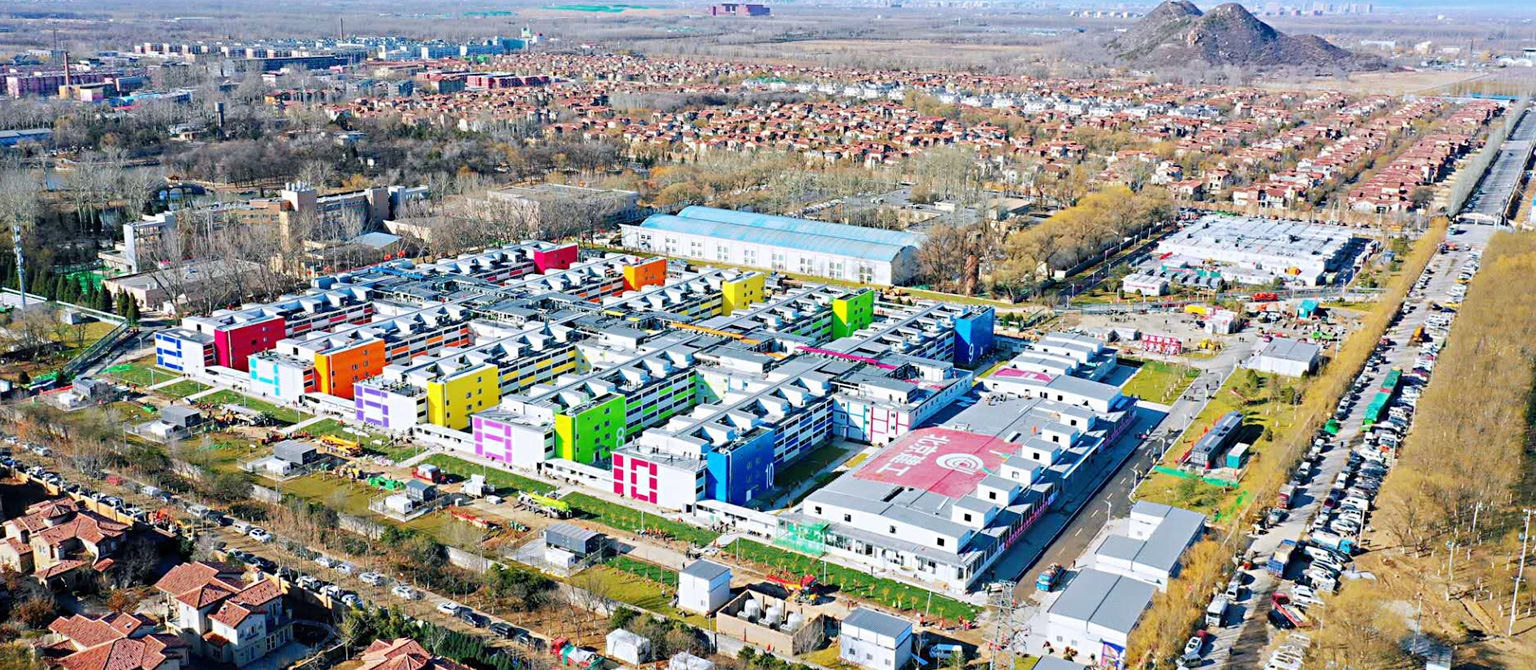
设计团队从1月28日接到设计任务开始驻现场设计,到2月8日外审版图纸提交总包单位,仅用11天完成全部设计工作,配合总包单位53天完成全部施工内容,并交付使用。3月16日开始接收第一批新冠疑似患者。
The design team received the design task on January 28th and started on-site design. By February 8th, the external review version of the drawings was submitted to the general contracting unit. It only took 11 days to complete all design work, and cooperated with the general contracting unit to complete all construction content in 53 days and deliver it for use. The first batch of suspected patients of COVID-19 began to receive on March 16.
理念创新与实效评价:
1、功能及配套设施的完善
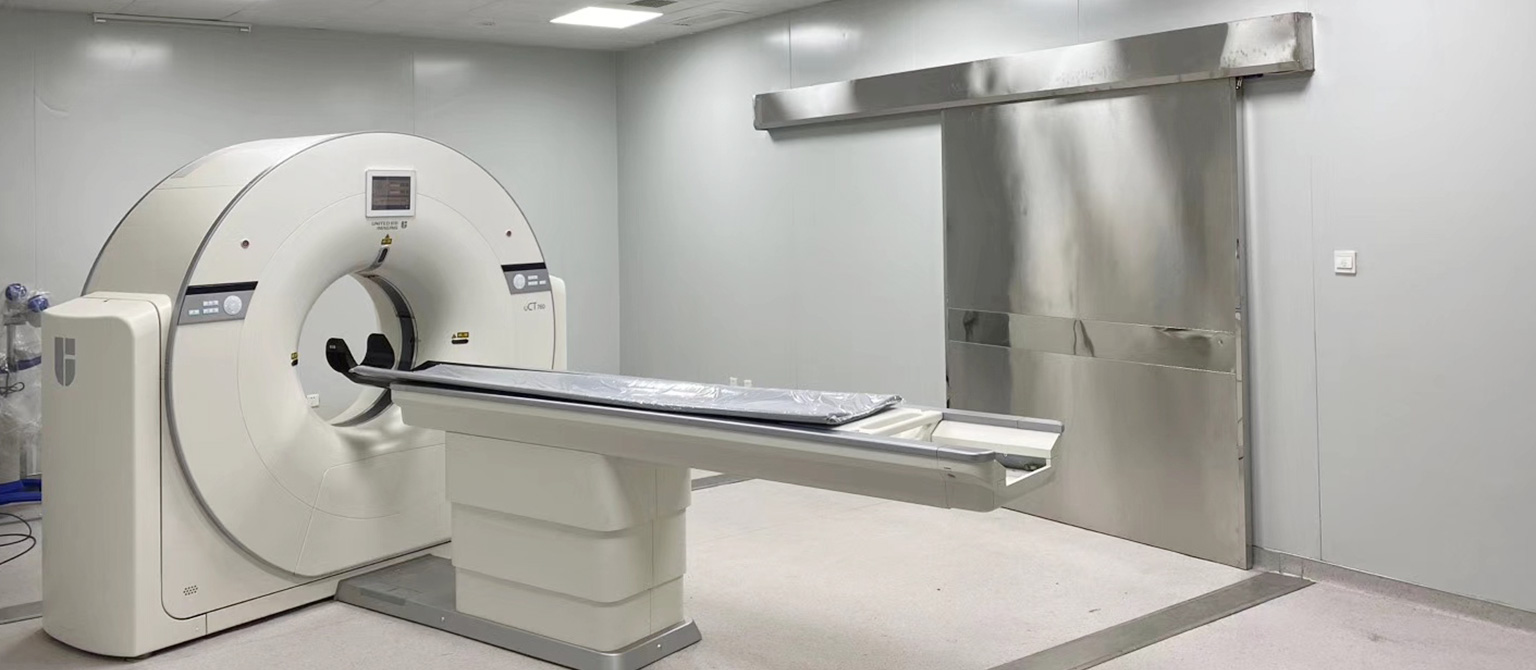
本设计不仅包括新建1500床病房,还配套设计了应急附属设施,保证病房可以正常运转。
2、室内舒适度的提升
基于“以人为本”的设计原则,创造安全、舒适、优美的室内环境。
3、减少病毒传播的感控设计
对现有感控设计理念进行多层次全面优化升级。
4、人文关怀的提升
5、“第五立面”优化整合,功能与美观双赢。
对建筑的屋顶设备与管线路由进行全面的整合与优化,实现了美观性和功能性的“双赢”。
Concept innovation and effectiveness evaluation:
1. Improvement of functions and supporting facilities
This design not only includes the construction of 1500 new wards, but also includes the design of emergency auxiliary facilities to ensure the normal operation of the wards.
2. Improvement of indoor comfort
Based on the design principle of "people-oriented", create a safe, comfortable, and beautiful indoor environment.
3. Sensory design to reduce virus transmission
Conduct multi-level comprehensive optimization and upgrading of existing sensing design concepts.
4. Enhancement of humanistic care
5. The "fifth facade" is optimized and integrated, achieving a win-win situation of functionality and aesthetics.
The comprehensive integration and optimization of roof equipment and pipeline routing in the building have achieved a "win-win" situation in terms of aesthetics and functionality.
新技术、新工艺的研发、应用及其关键指标与数据:
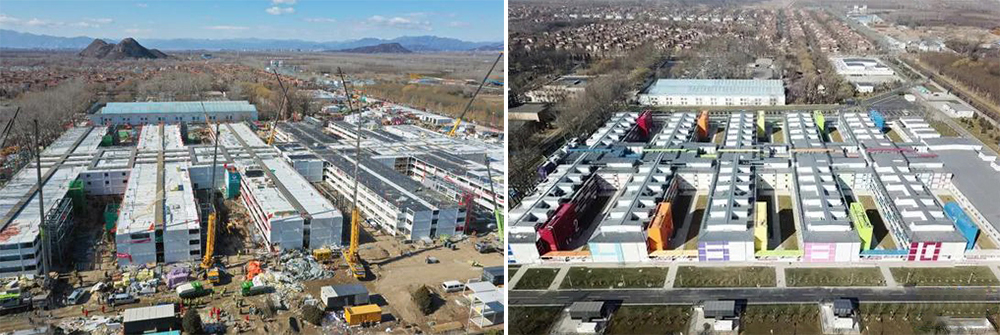
1、在极度紧张的设计周期内,对建筑的屋顶设备与管线路由进行全面的整合与优化。每个病区屋顶均设有鱼骨状的设备平台及管廊,既能节约机电系统的工程造价,又能降低屋面雨水渗漏的可能性,实现了美观性和功能性的“双赢”。
2. 屋面防水体系。箱式房的最大弱点在于屋面防水,本工程采用压型镀锌板屋面(刚性防水)+防水卷材及防水涂料(柔性防水)+箱体自排水体系,防排结合,疏导有序,力保建筑在使用期间无渗漏现象出现。
Research and development, application, key indicators and data of new technologies and processes:
1. During the extremely tight design cycle, comprehensively integrate and optimize the roof equipment and pipeline routing of the building. Each ward roof is equipped with a fishbone shaped equipment platform and pipe gallery, which not only saves the engineering cost of the electromechanical system, but also reduces the possibility of roof rainwater leakage, achieving a "win-win" of aesthetics and functionality.
2. Roof waterproofing system. The biggest weakness of box houses lies in roof waterproofing. This project adopts a pressed galvanized sheet roof (rigid waterproofing), waterproof rolls and coatings (flexible waterproofing), and a box self drainage system, which combines waterproofing and drainage, ensures orderly drainage, and ensures that there is no leakage during the use of the building.
设计方法创新与应用(协同设计、BIM应用等)及其实效评价:
传染病病房机电系统较为复杂,且本项目虽为应急临时建筑,但考虑中长期备用,机电系统均按照永久建筑进行设计。考虑到本建筑的特殊使用功能,机电系统的正常运转至关重要,如负压系统是保护医护人员安全健康的最重要屏障,设备监控系统需对全楼的暖通空调、通风系统上百个风机、几千个阀门进行24H监控。设计人员在极度紧张的设计周期内,借助BIM设计手段,进行多专业快速协同配合,保证各系统精确落位,各行其是,有序运行。
Innovation and application of design methods (collaborative design, BIM application, etc.) and their effectiveness evaluation:
The electromechanical system of the infectious disease ward is relatively complex, and although this project is an emergency temporary building, considering medium to long-term backup, the electromechanical system is designed as a permanent building. Considering the special usage functions of this building, the normal operation of the electromechanical system is crucial. For example, the negative pressure system is the most important barrier to protect the safety and health of medical personnel. The equipment monitoring system needs to monitor hundreds of fans and thousands of valves in the HVAC and ventilation systems of the entire building 24 hours a day. During the extremely tight design cycle, designers utilize BIM design methods to quickly collaborate with multiple disciplines, ensuring that each system is accurately positioned, operates in its own way, and operates in an orderly manner.
其他重点、难点、亮点分析:
1、施工工期控制与模块化设计:
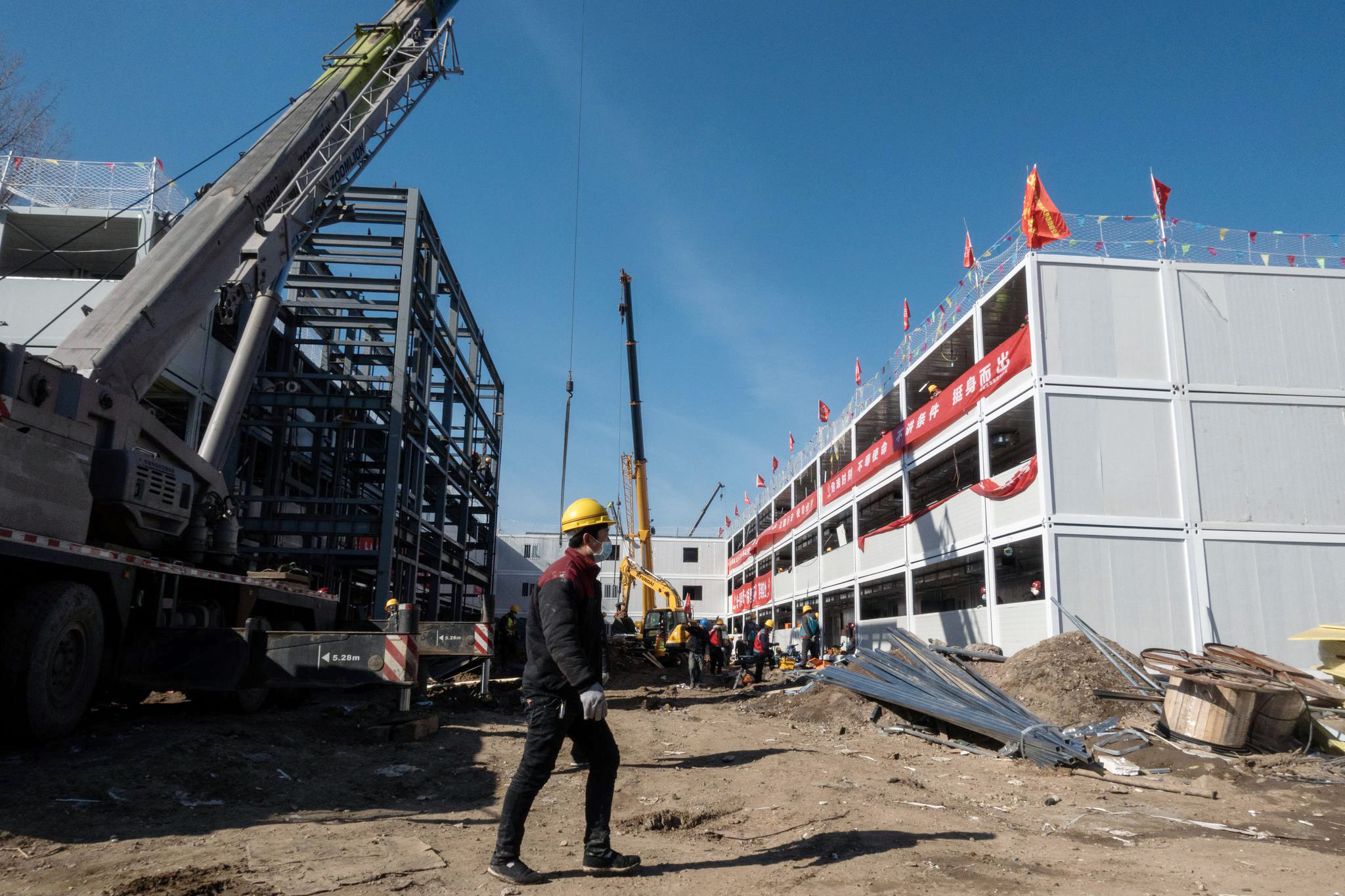
为应对紧迫疫情,本项目采用模块化设计模式,每个病区和医护区都是标准单元,大大缩短设计、建造的周期。重点解决箱式房尺寸控制、优化整合室内管线排布等重点技术问题。
2、通过设计手段,有效阻断病毒传播,确保医护零感染。
依据 “三区两通道”的设计原则,通过开敞式病患走廊、病房设置观察窗、传递窗、医护办公区设置天井、配备充足的手卫生设施等控制感染,保证医护人员的安全。
Analysis of other key points, difficulties, and highlights:
1. Construction period control and modular design:
To cope with the urgent epidemic, this project adopts a modular design model, with each ward and medical care area being standard units, greatly shortening the design and construction cycle. Focus on solving key technical issues such as controlling the size of box houses and optimizing and integrating indoor pipeline layout.
2. By designing means, effectively blocking the spread of the virus and ensuring zero infection in medical care.
According to the design principle of "three zones and two channels", infection is controlled through open patient corridors, observation windows and transfer windows in wards, patios in medical office areas, and adequate hand hygiene facilities to ensure the safety of medical personnel.
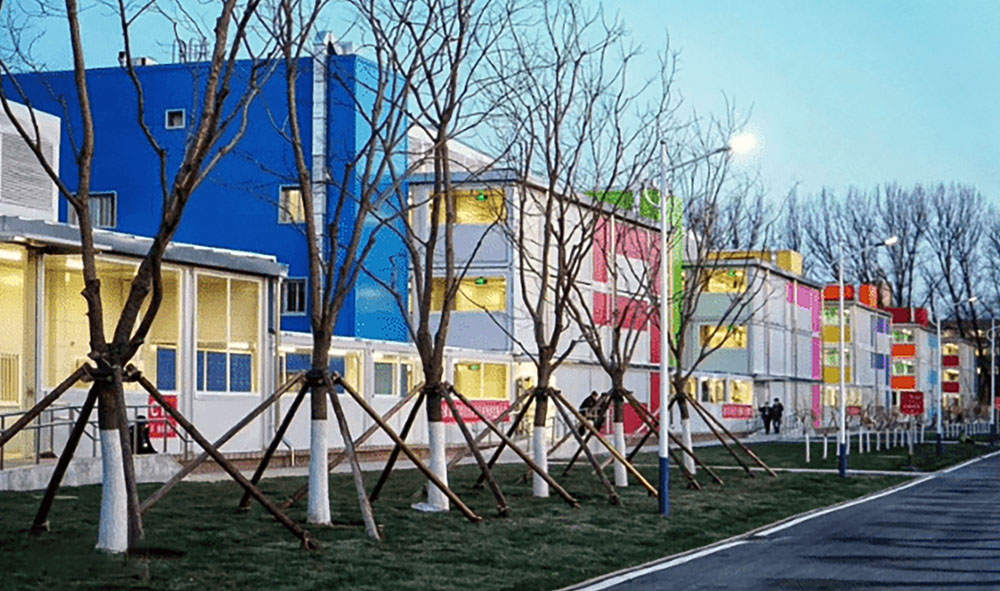
项目名称:北京小汤山医院升级改造应急工程
设计结束时间:2020 年 02 月 18 日
竣工时间:2020 年 03 月 08 日
建筑功能(地上,地下):医疗
用地性质:医疗用地
设计使用年限:2年
建筑用地面积:3.9ha
总建筑面积:53122.08㎡
地上面积:53122.08㎡
Project Name: Beijing Xiaotangshan Hospital Upgrade and Reconstruction Emergency Project
Design end date: February 18, 2020
Completion date: March 8th, 2020
Building function (above ground, underground): medical
Nature of land use: Medical land
Design service life: 2 years
Building land area: 3.9ha
Total construction area: 53122.08 square meters
Ground area: 53122.08 square meters