Colecionador博物馆,西班牙 / Atelier Data
建筑的简史
Brief history of the building
教堂的建设始于1750年,按照方济各会的指令进行,并于1772年完工,当时会众已筹集到足够的资金来完成这项工程。1834年宗教团体被废除后,建筑经历了多种用途,包括被用作当地的“酒馆”。1954年,现任所有者的父亲购买了这座建筑,并于2002年将其传给了他的儿子。关于建筑的未来,
The construction of the chapel began in 1750 under the orders of the Franciscans and was completed in 1772 when the congregation gathered the necessary funds for its completion. With the extinction of religious orders in 1834, the building had various uses, including being used as alocal “tavern.” In 1954, the father of the current owner acquired the building, and in 2002, his son inherited the property. Regarding the future of the building,
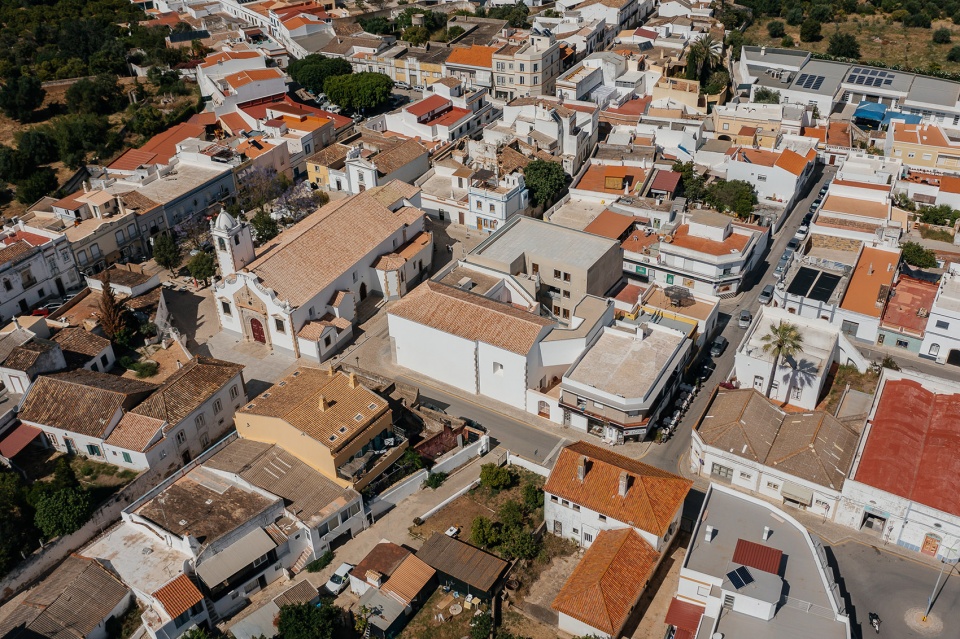
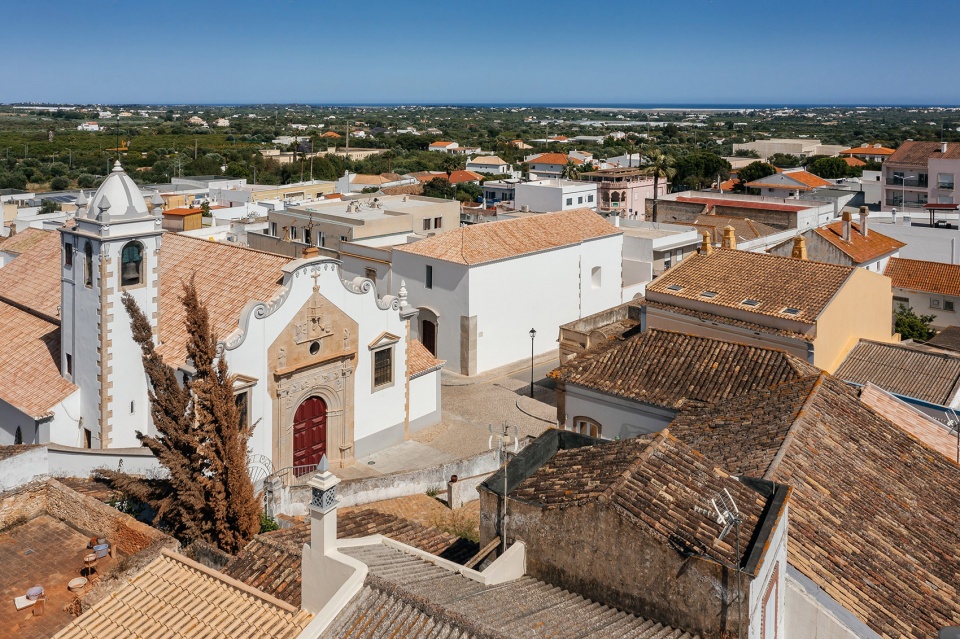
▼教堂鸟瞰,Ariel view of the church
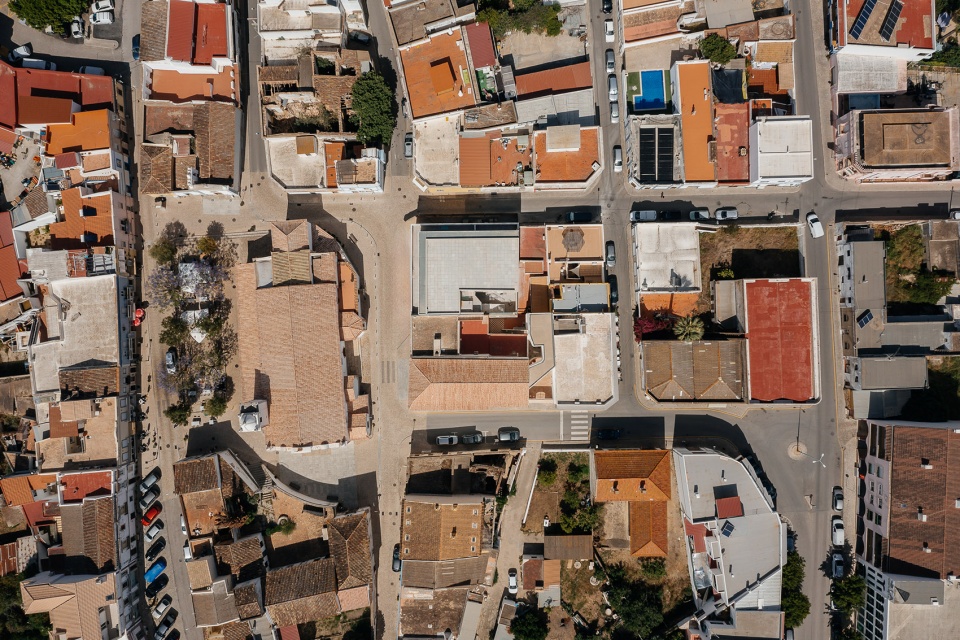
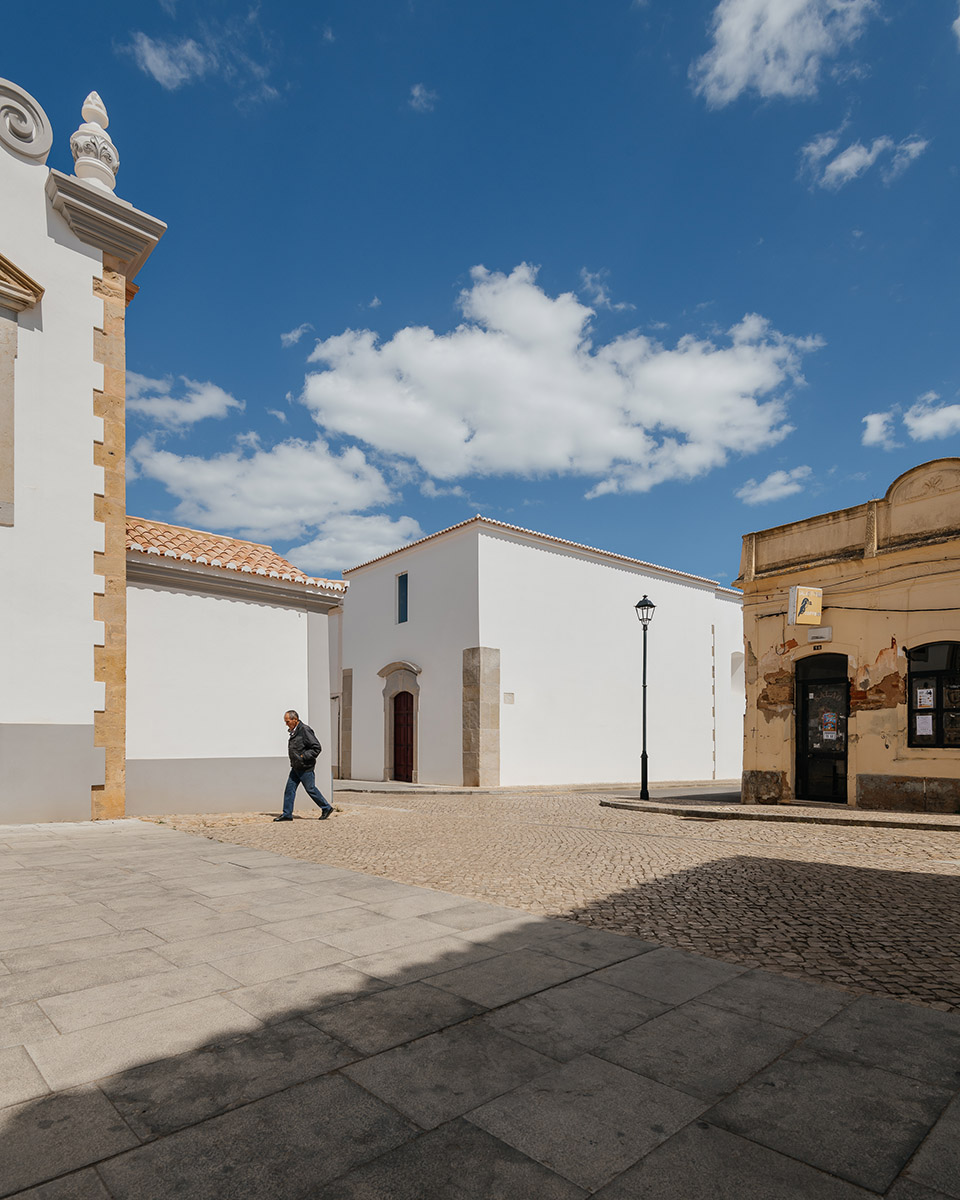
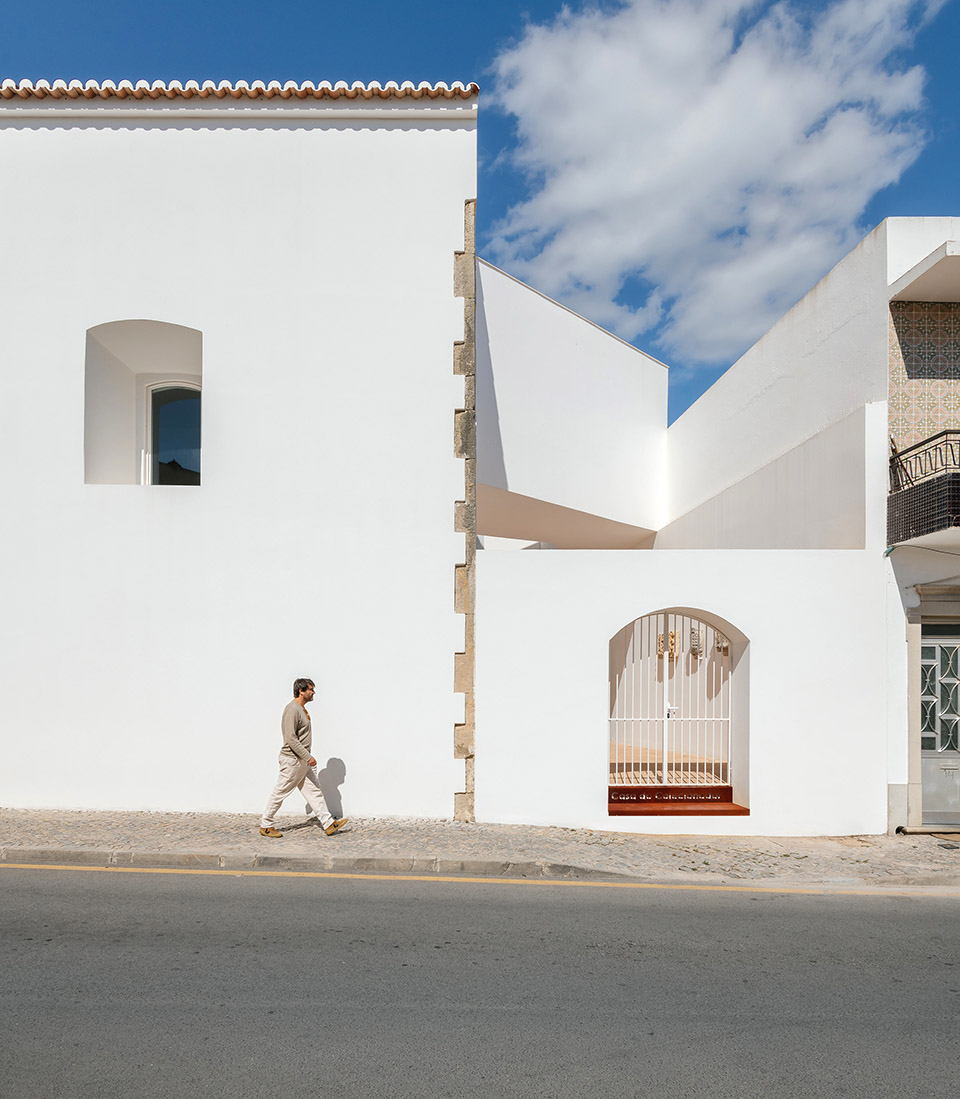
▼教堂街景,street view of the church
项目策略
Project Strategy
将这座建筑改造为展览空间,涉及对现有结构的保护与修复,同时引入新建筑元素,以便容纳三类不同的收藏品:圣器艺术、珍贵的拐杖以及象牙画作。
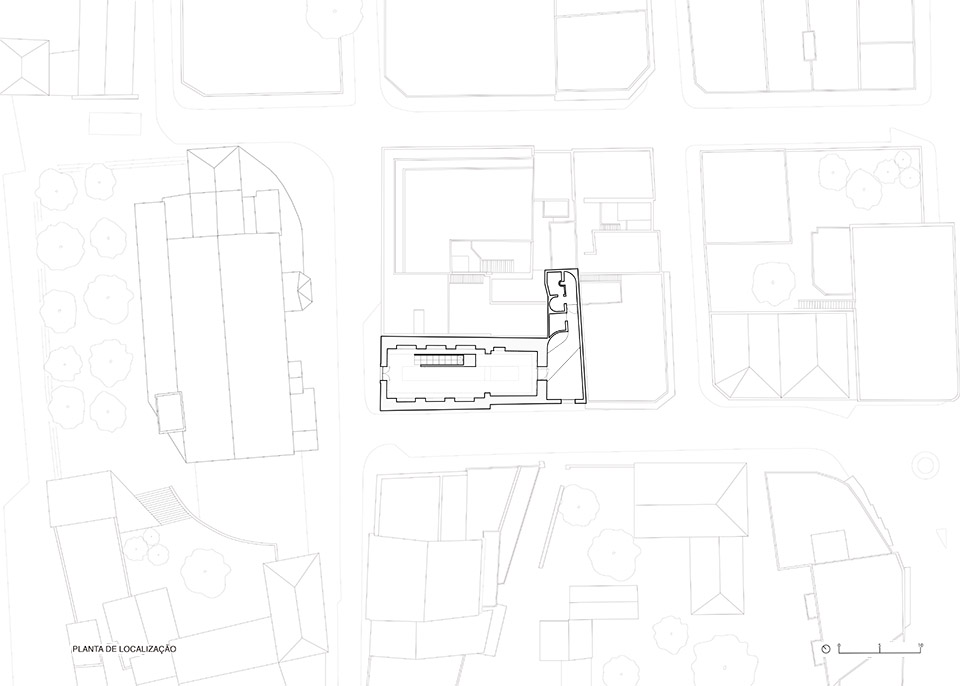
▼场地平面,site plan
Adapting the building into an exhibition space resulted in an intervention that balanced the preservation and restoration of theexisting structure with the introduction of new built elements that accommodate the distinct collections: sacred art, exceptional canes, andivory paintings.
▼教堂庭院,courtyard of the church
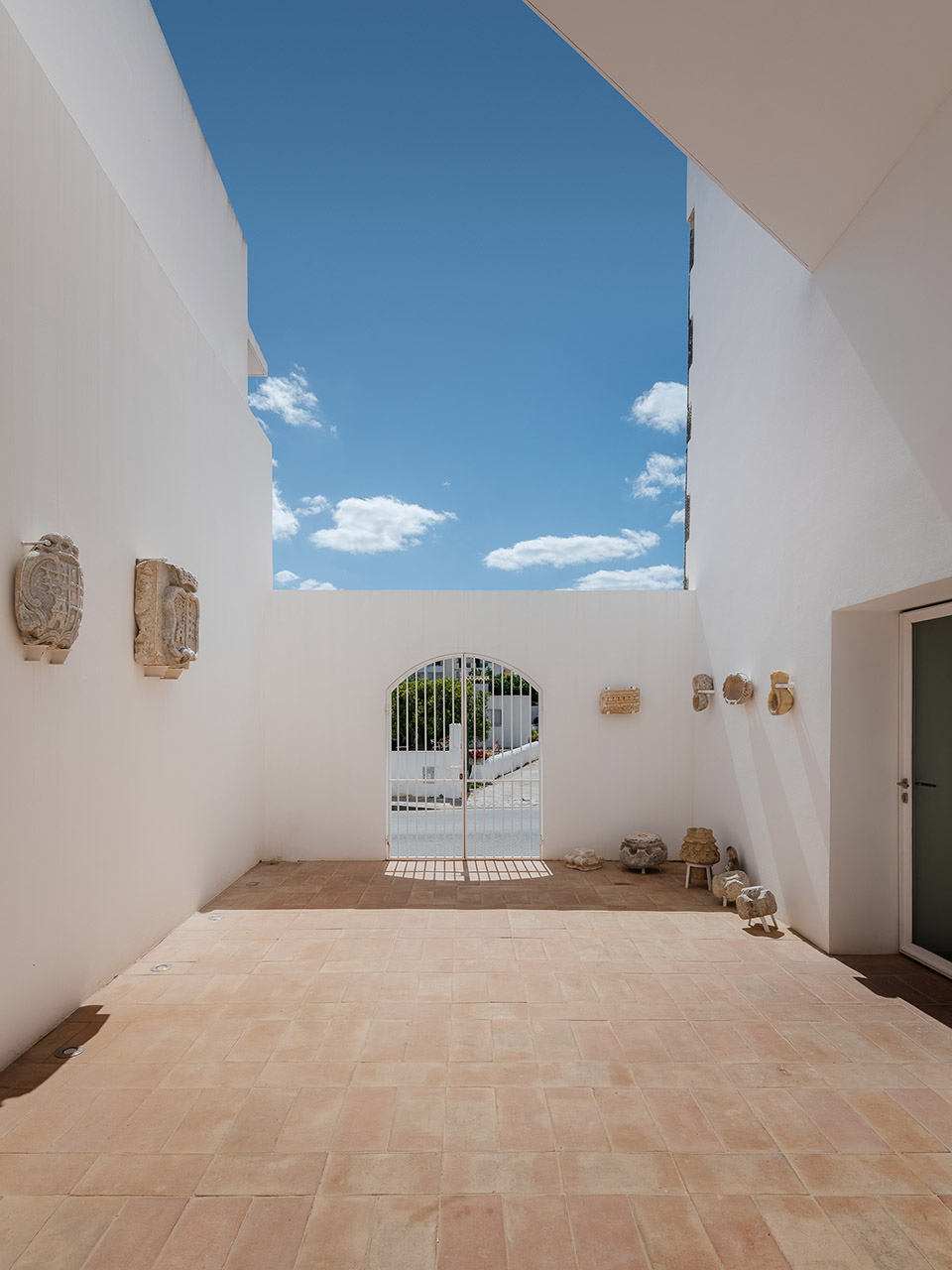
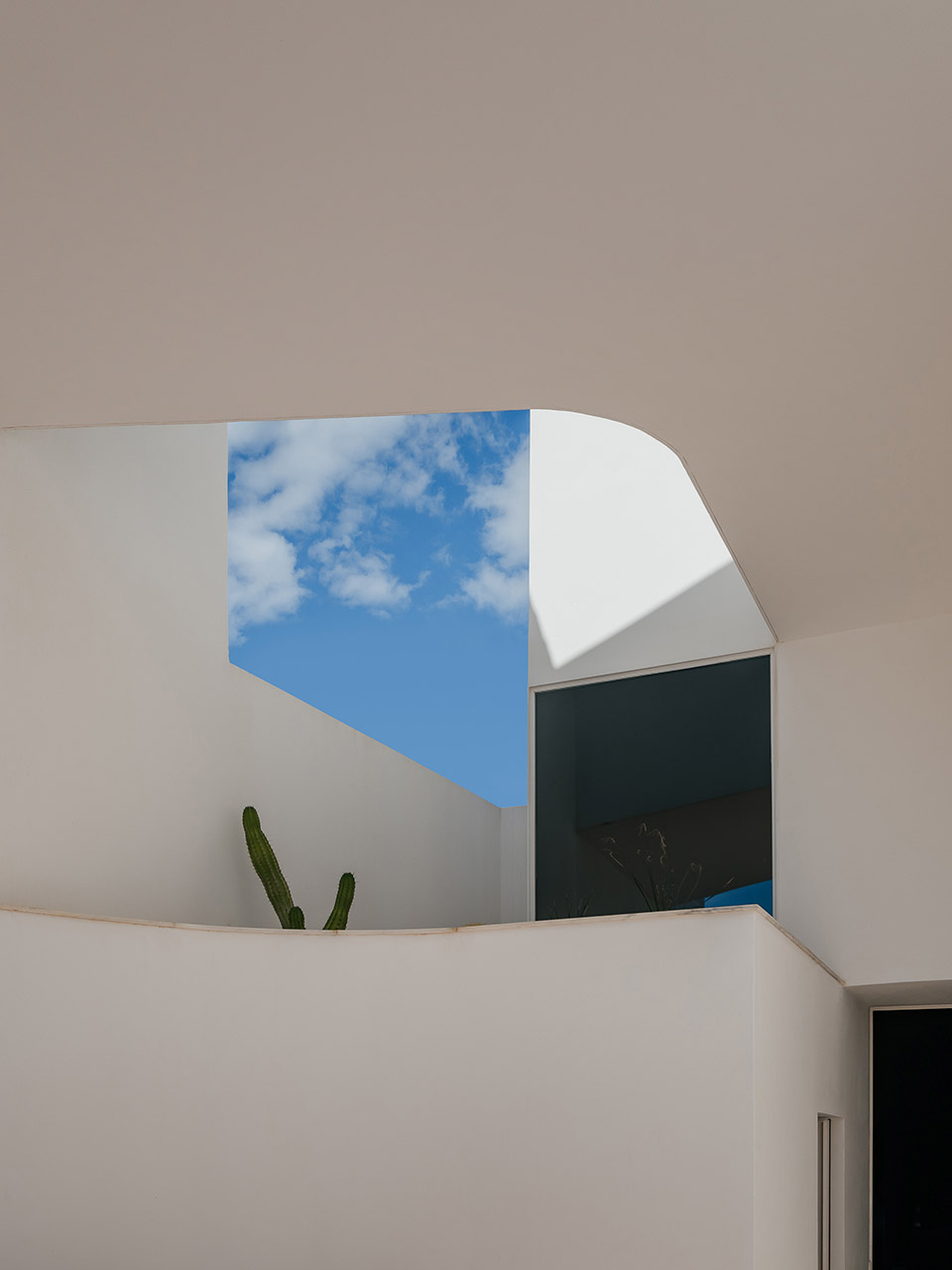
▼庭院内的藏品,collection in the courtyard
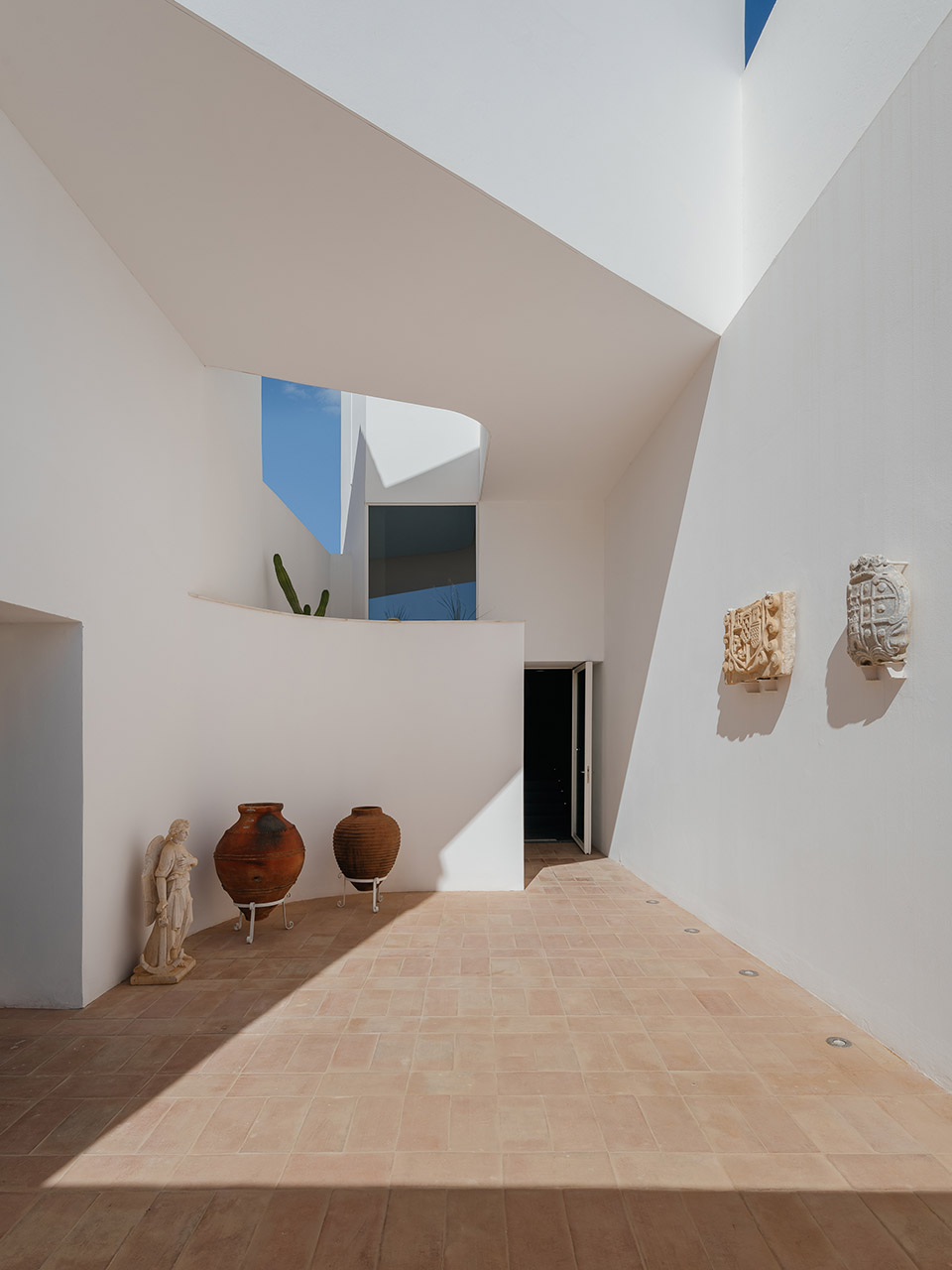
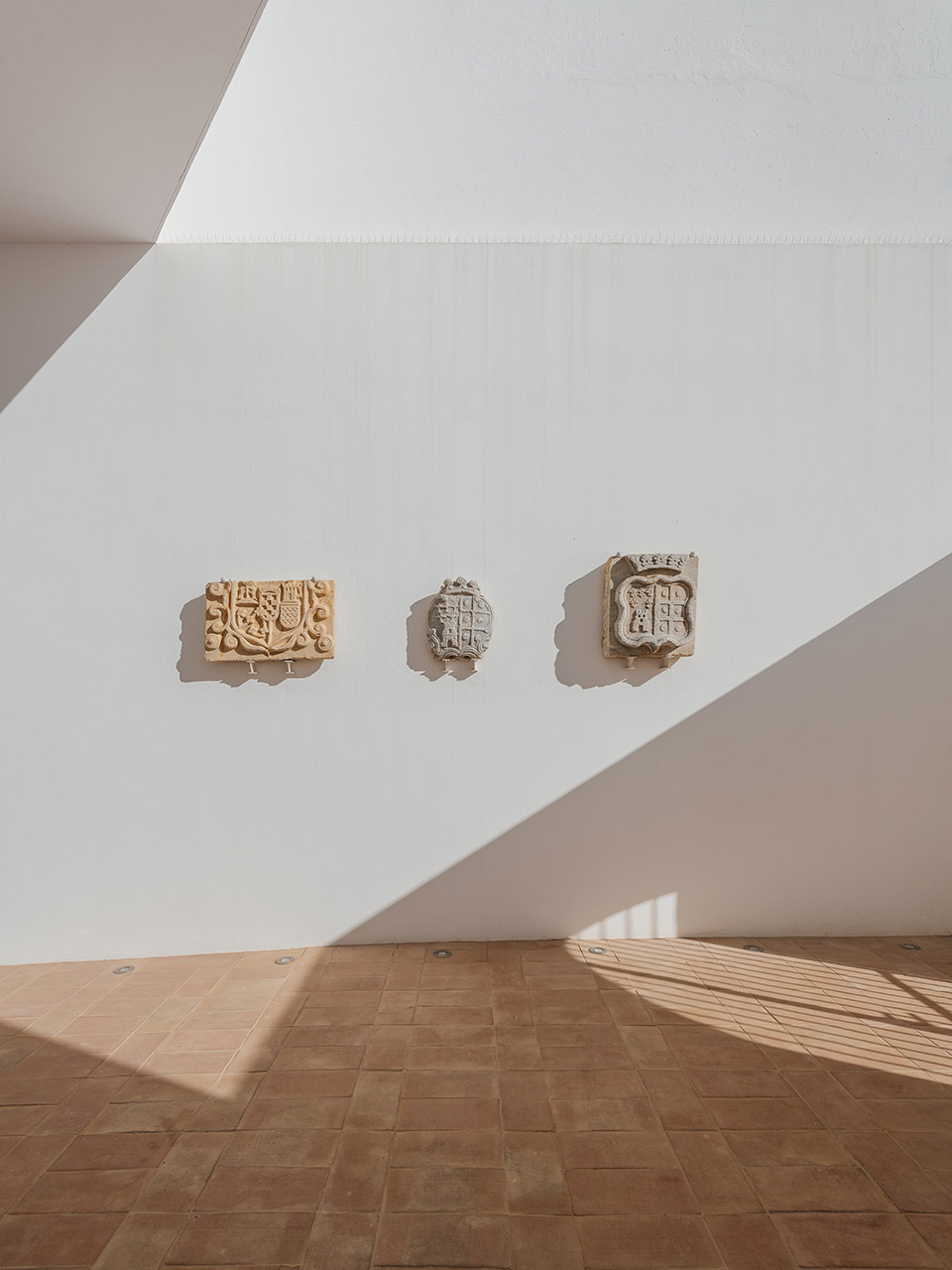
考虑到建筑本身的独特性:宽敞的主殿和后庭,设计重点是打造一条既能作为展览空间,又能线性、有序地展示这三类收藏品的路径:
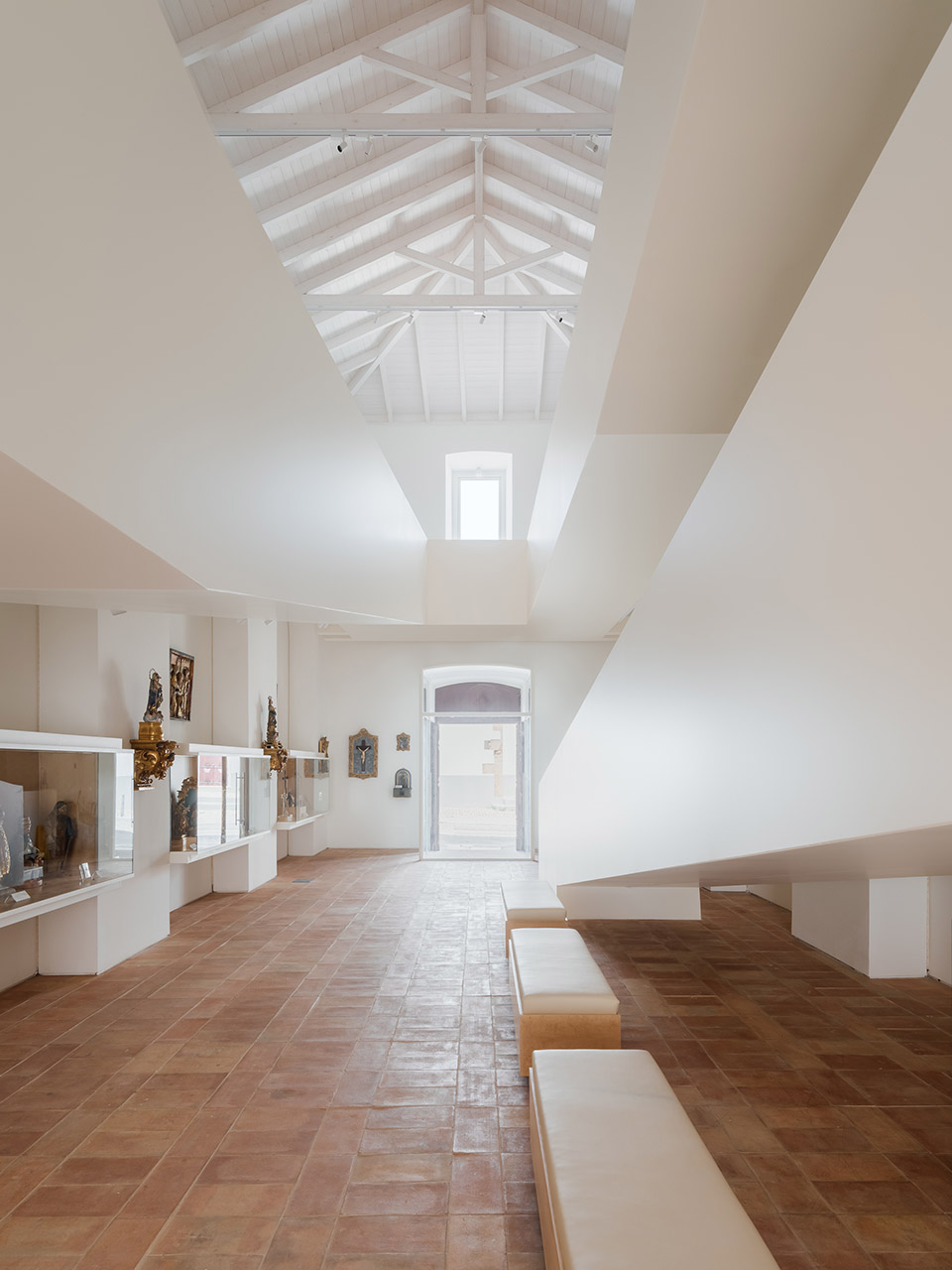
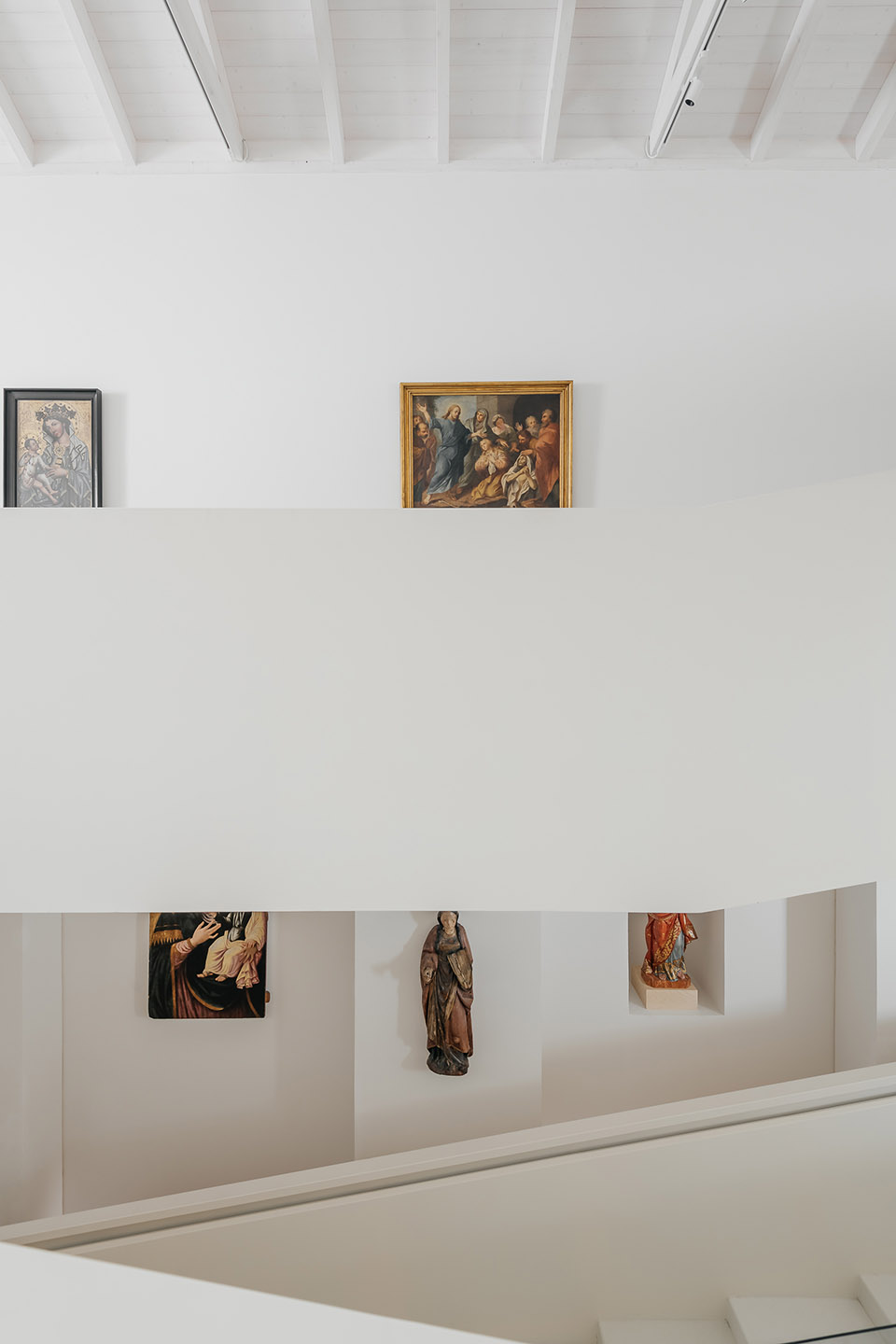
在主殿内(利用墙壁和壁龛),展示了圣器艺术收藏品,象征性地强化了建筑的宗教起源。
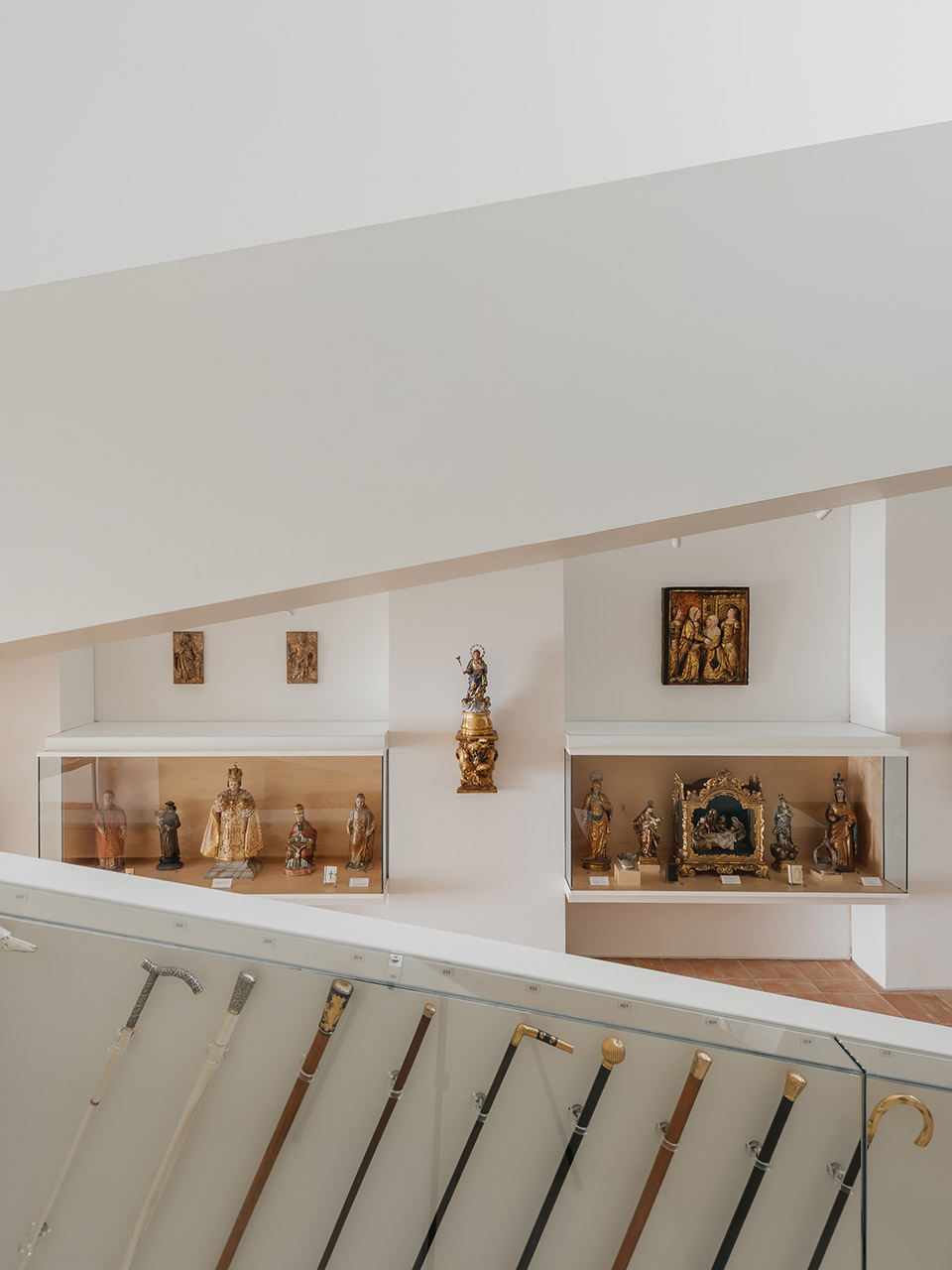
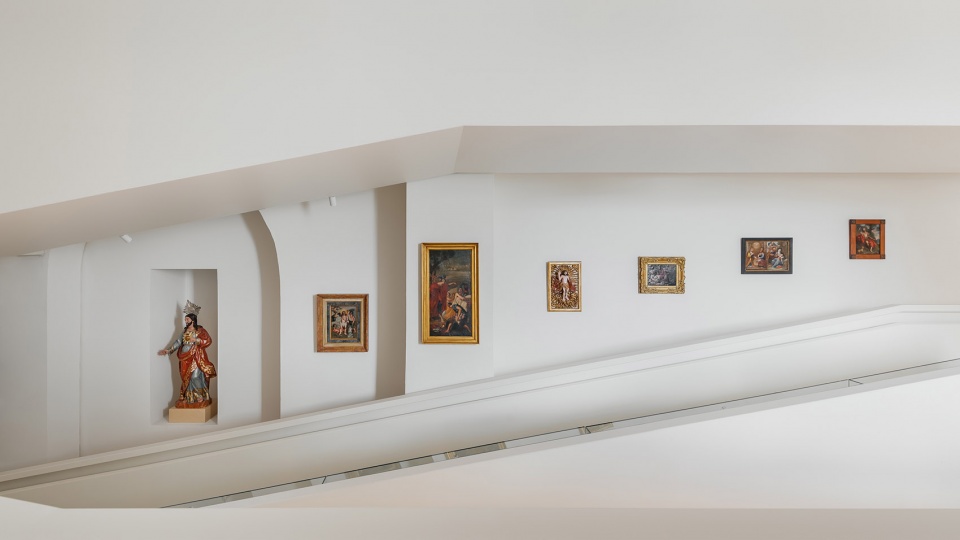
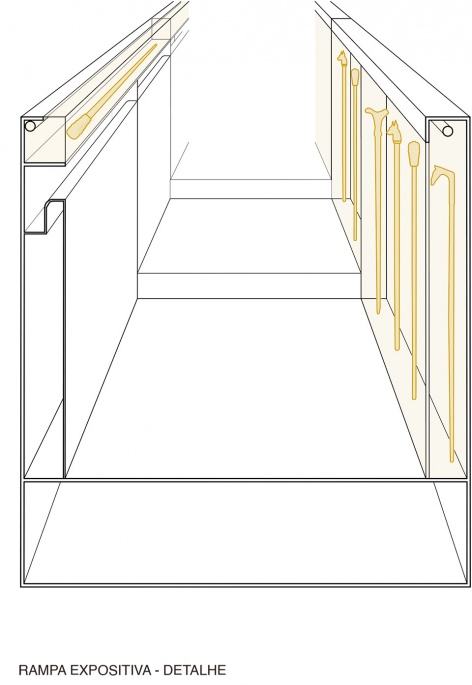
拐杖收藏沿着一条坡道展示,这一设计充分利用了建筑的垂直空间。坡道被设计为“漂浮上升”的长廊,激发参观者的探索感和发现感。
从坡道延伸到庭院空间,一座悬浮结构被提议作为第三个展示区域——这里将展示象牙画作。最后,通过一座螺旋楼梯,参观者将被引导回到地面,特别是回到曾是教堂后方的庭院。
▼轴测图,axonometric
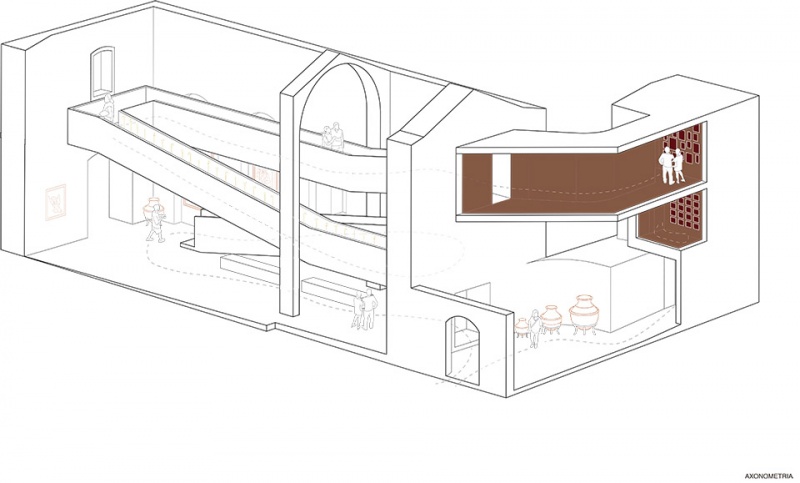
Given the exceptional nature of the pre-existing building: its large nave and rear courtyard, the project focused on designing a path that issimultaneously an exhibition space, organizing the three collections in a linear and continuous manner:
In the main nave (utilizing its walls and niches), the Sacred Art collection is displayed, symbolically reinforcing the origins ofthe original construction.
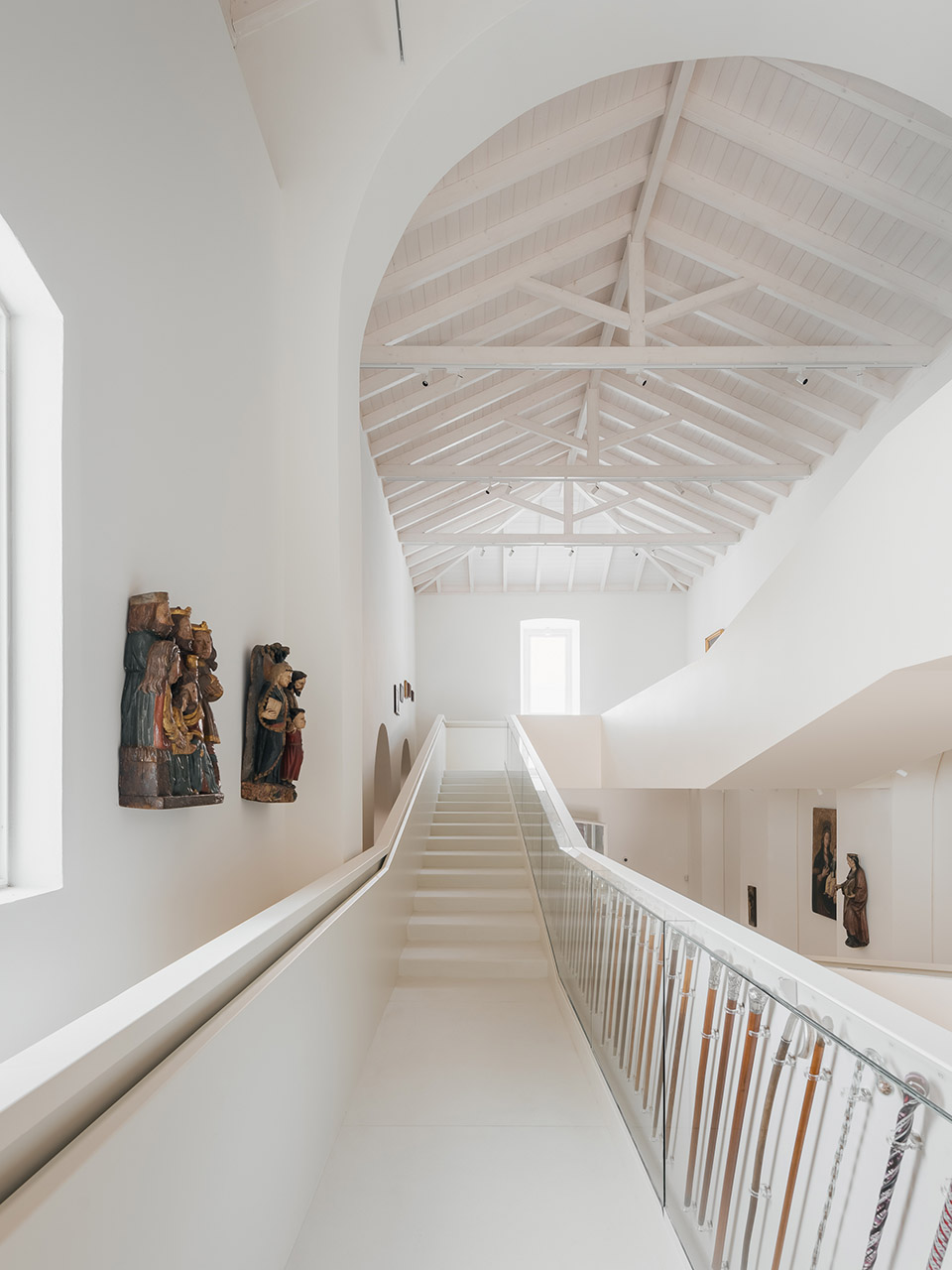
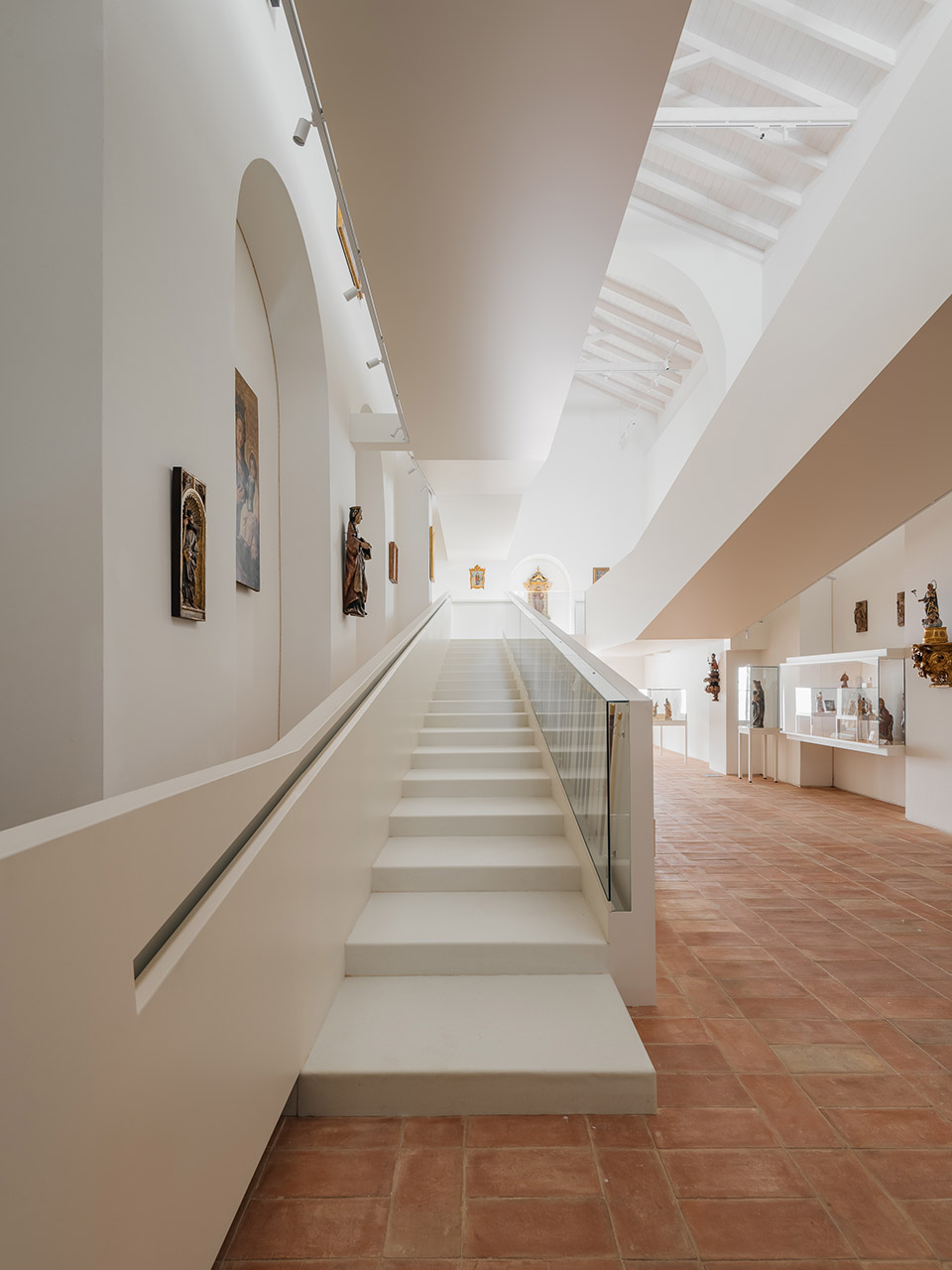
The Cane collection is distributed along a ramp, an element that takes advantage of the building’s verticality . Thiselement was designed as a promenade that “floats and rises” in the space, inciting and stimulating the visitor’s sense of discovery.
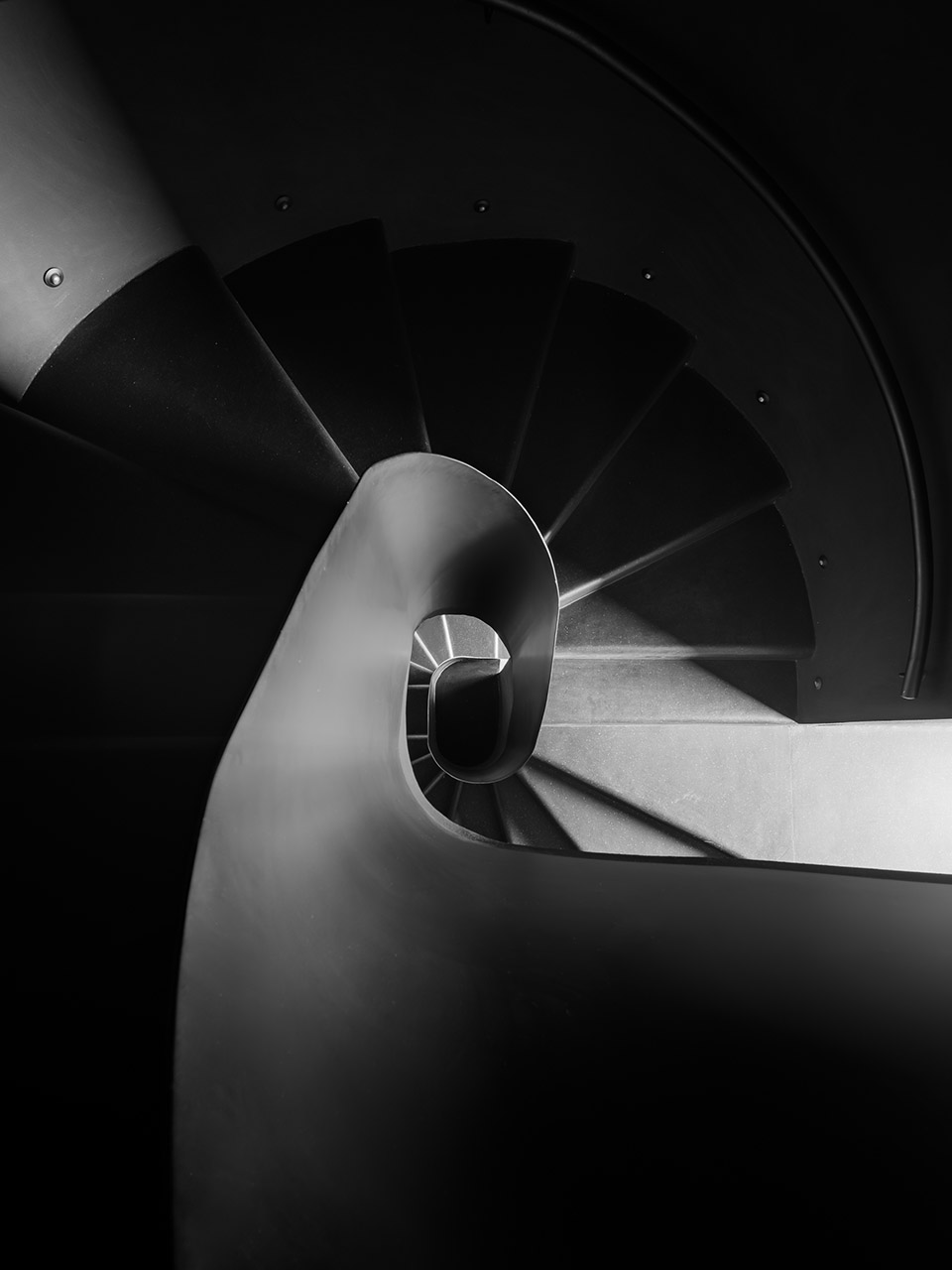
Moving forward from this element, over the courtyard space, a third structure is proposed — a suspended volume that hosts theIvory Paintings exhibition, ending with a spiral staircase that brings visitors back to the ground floor, more specifically to the patio at the rear of the former chapel.
▼利用墙壁和壁龛展示,utilizing its walls and niches to display
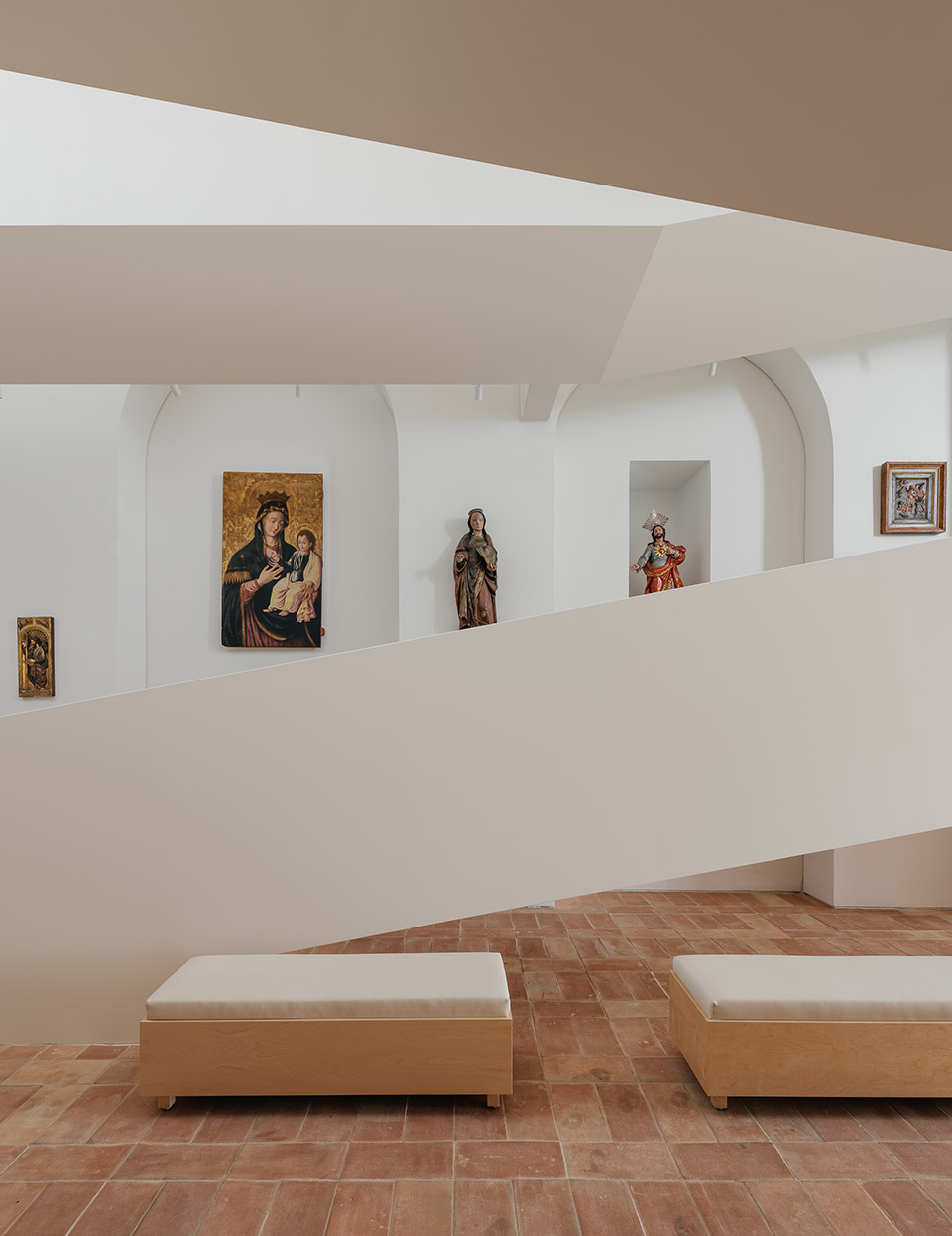
▼利用墙壁和壁龛展示教堂历史,utilizing its walls and niches to display the history of the church
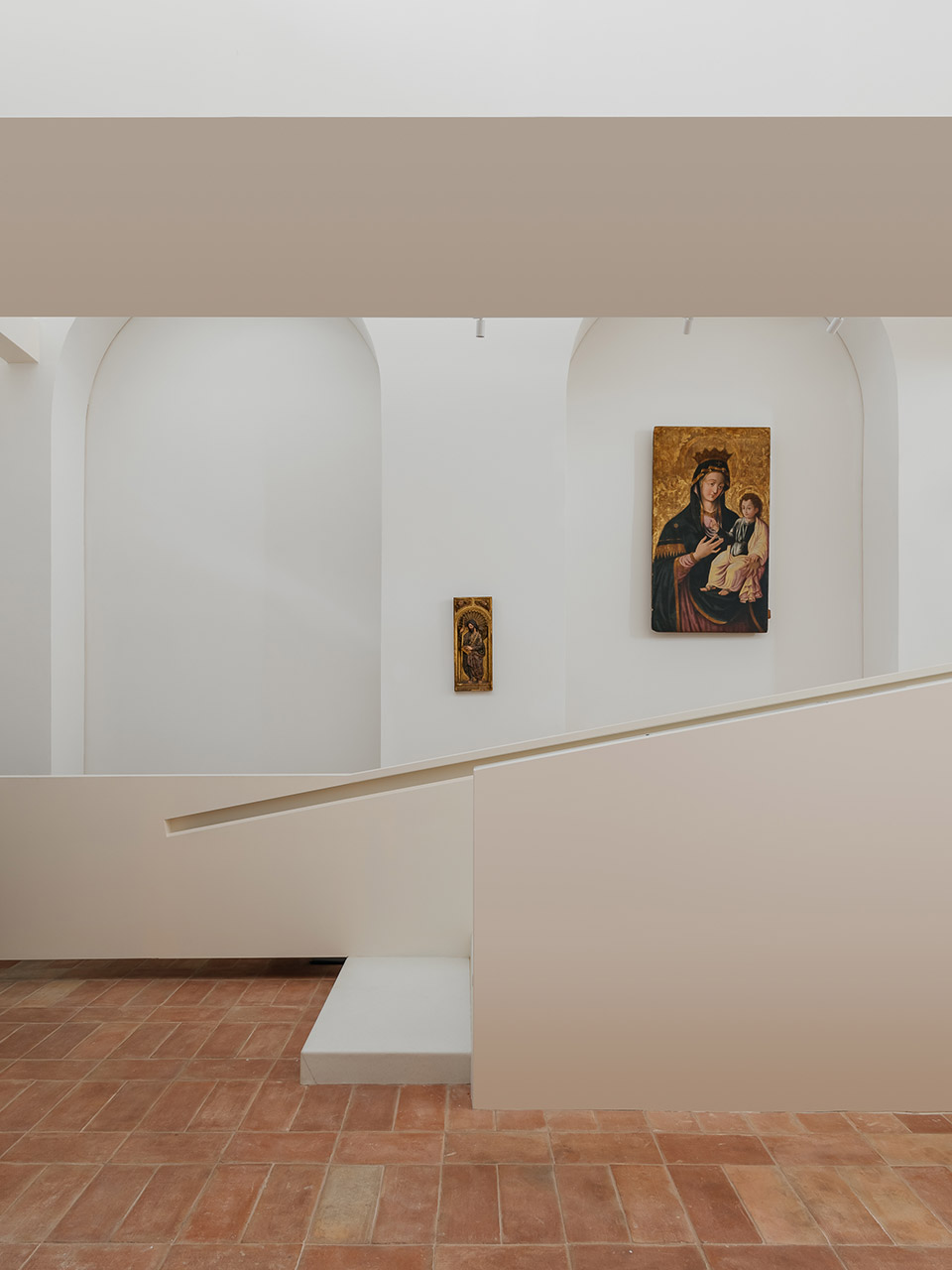
▼拐杖收藏沿着一条坡道展示,The Cane collection is distributed along a ramp
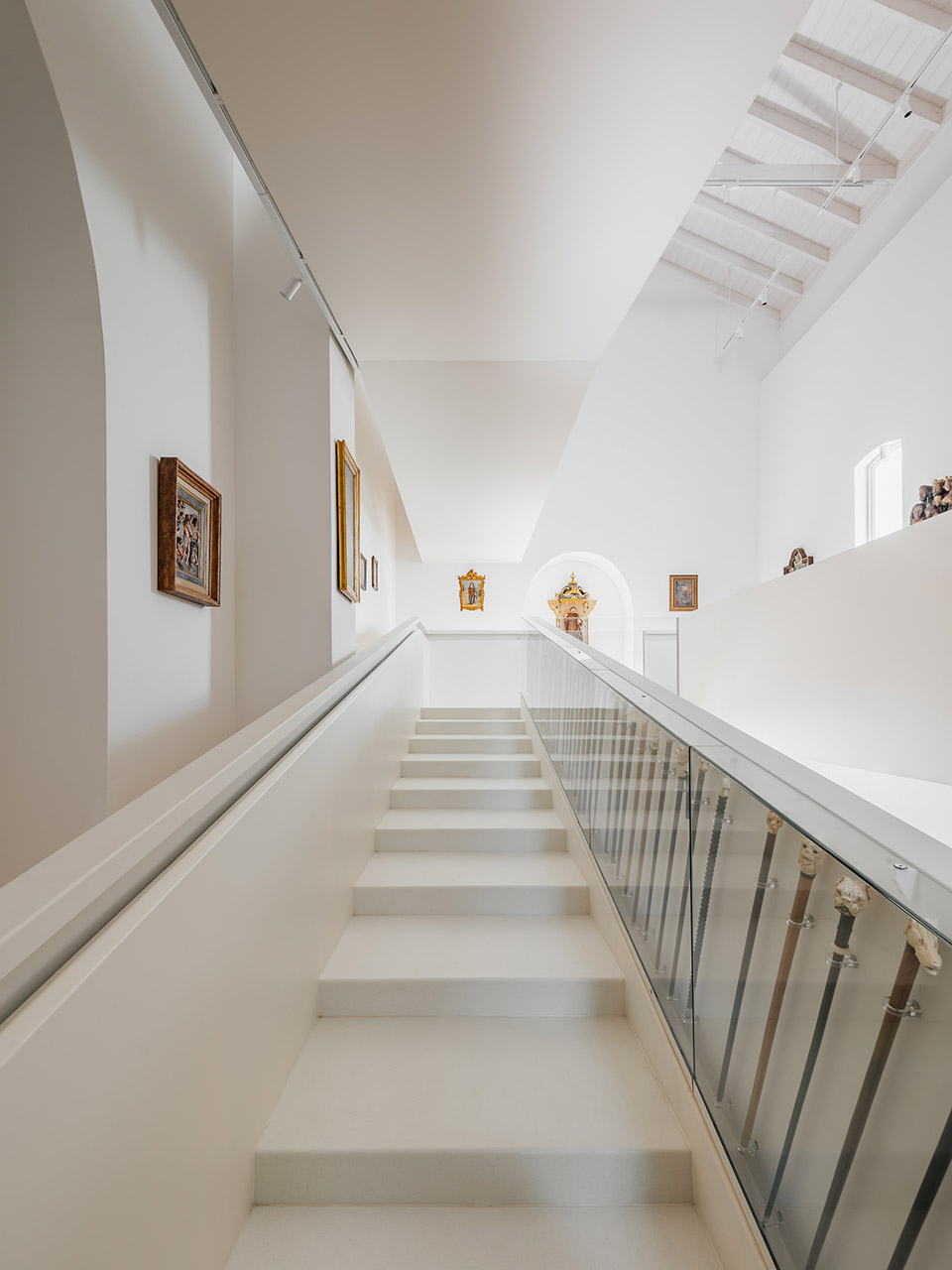
▼“漂浮上升”的长廊,a promenade that “floats and rises”
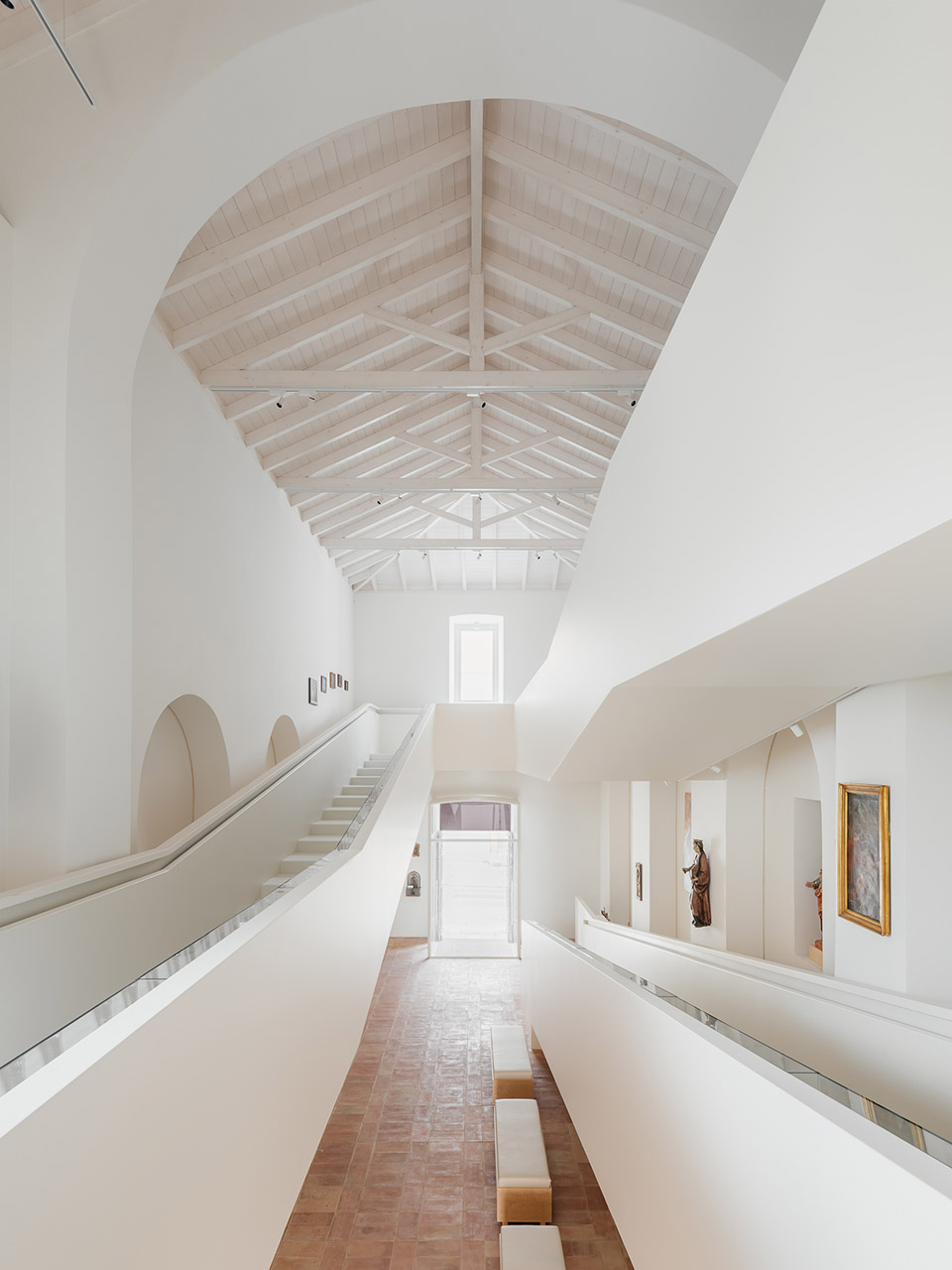
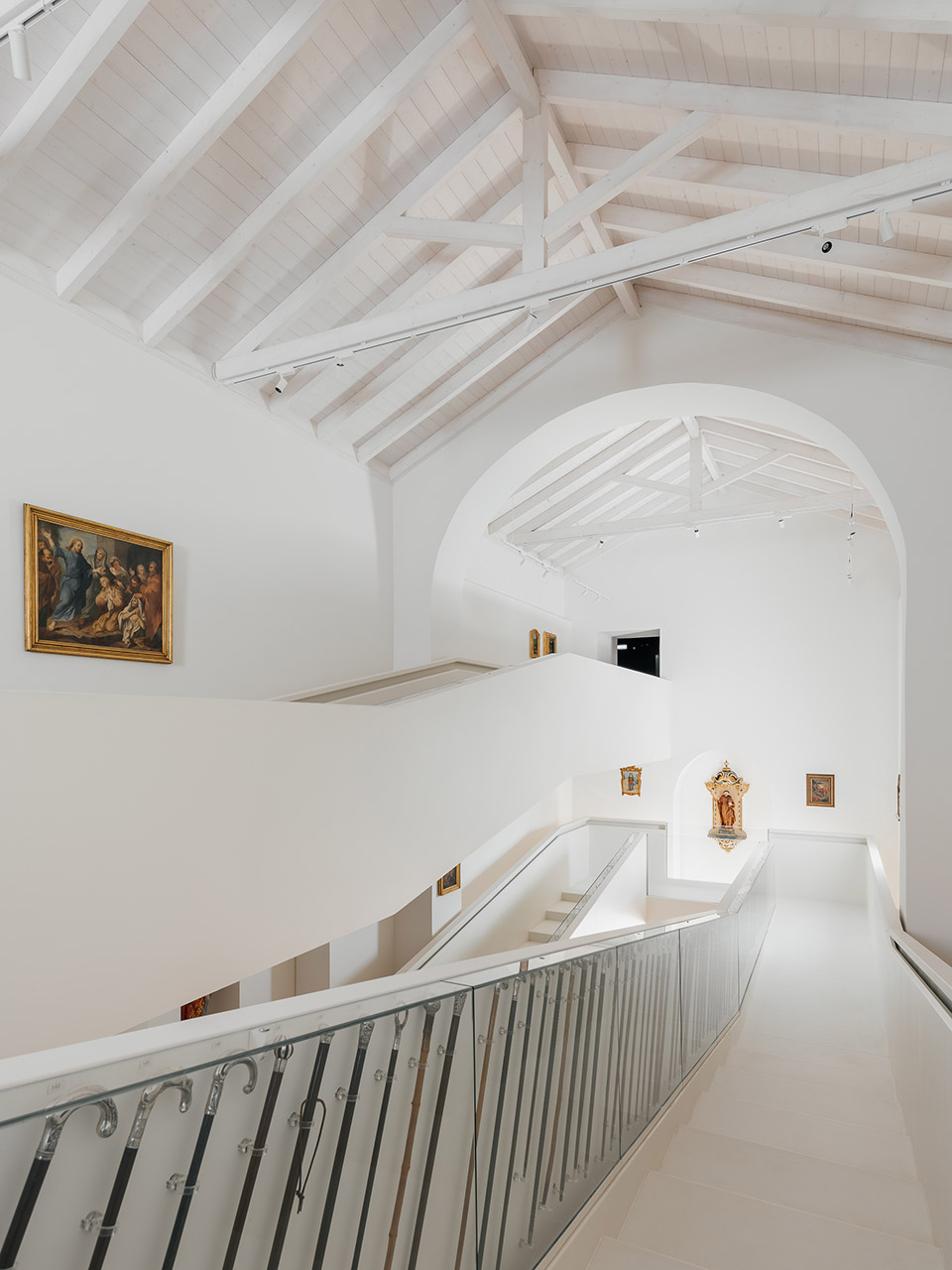
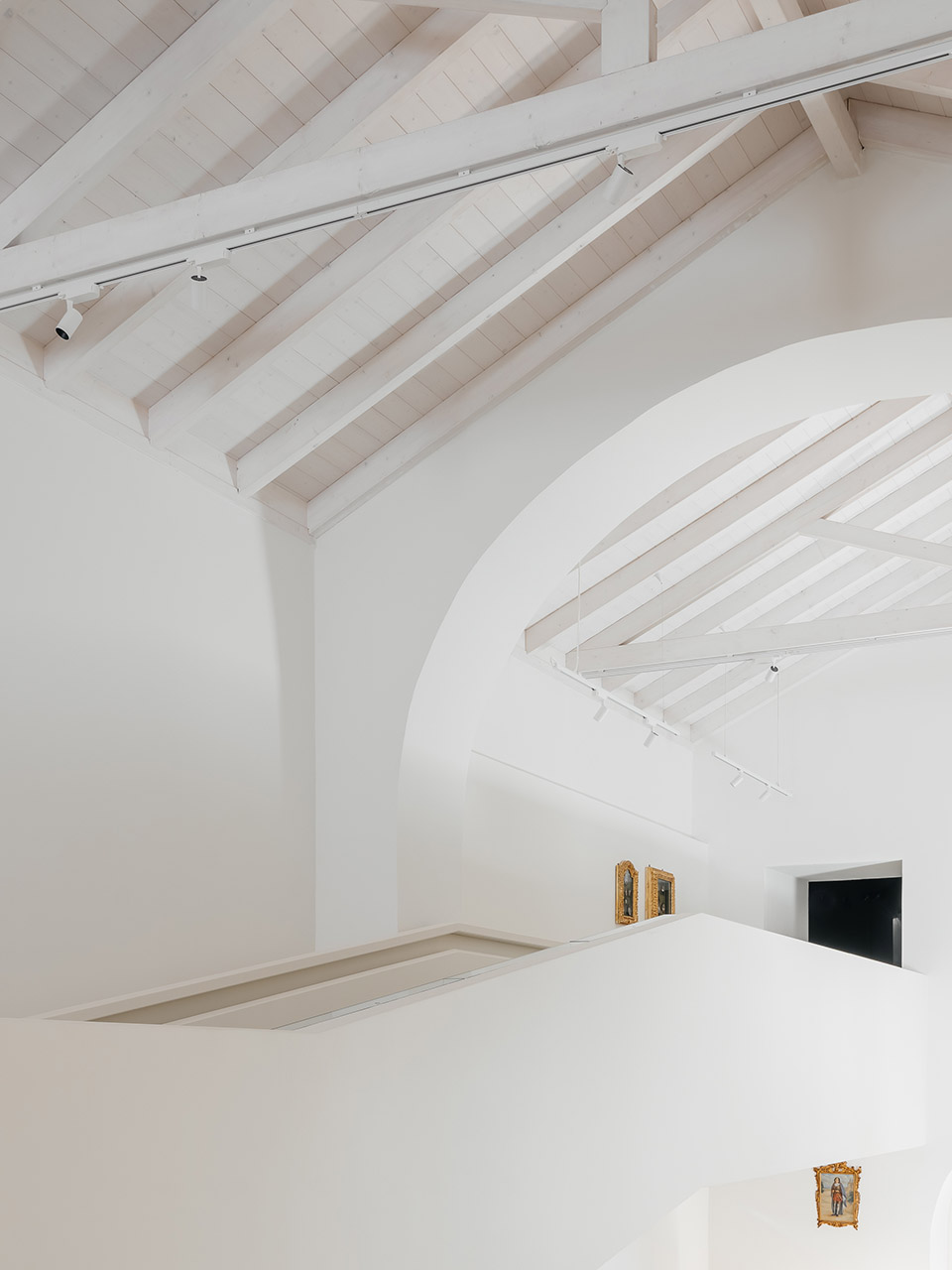
为了在传统与创新之间取得平衡,新的建筑元素采用了不同的材料,以适应不同类型的艺术品展示:
In order to create a balance between tradition and innovation, the new elements adopt distinct materialities according to the type of art-piece being displayed:
▼采用了不同的材料,adopt distinct materialities
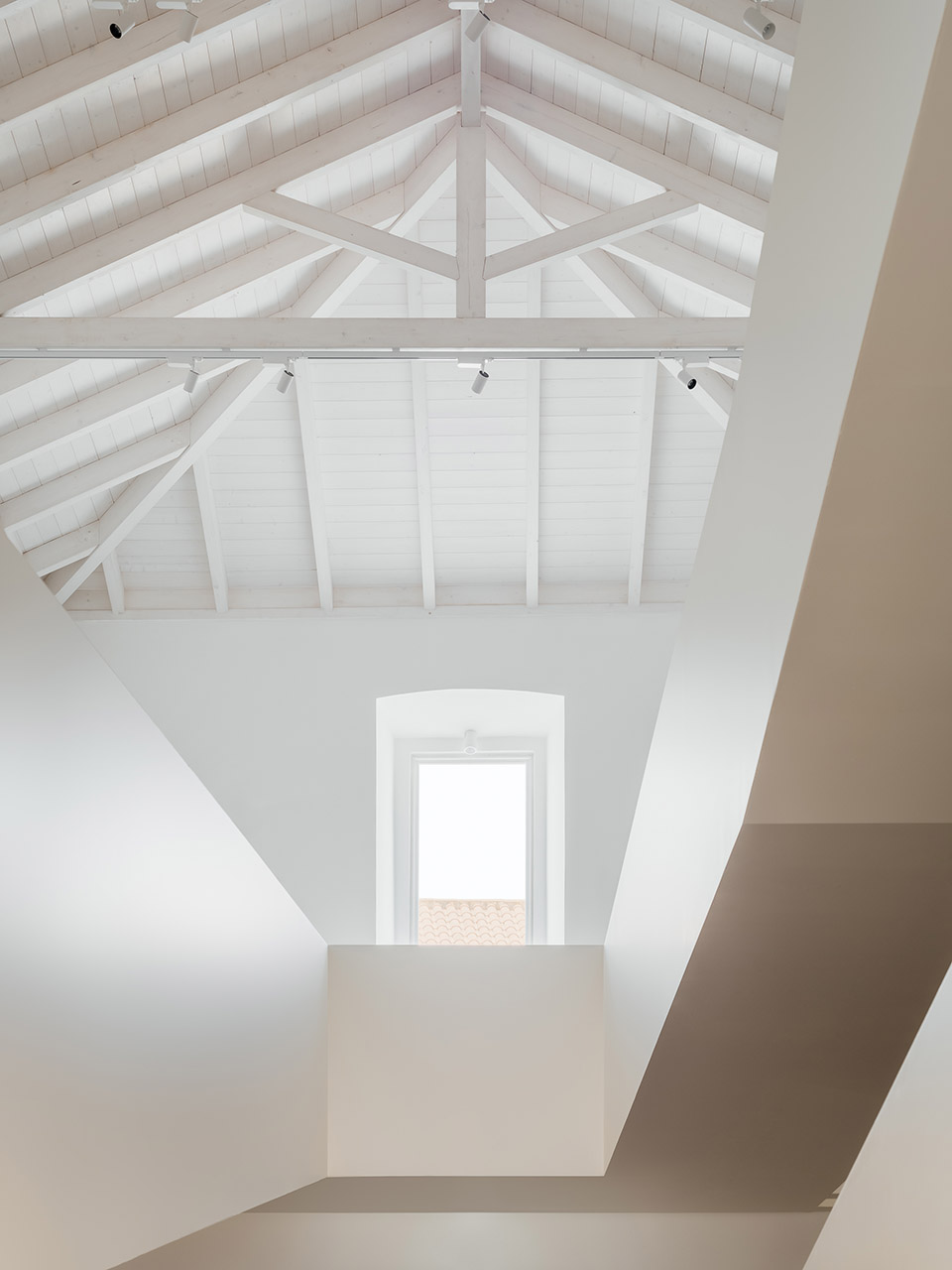
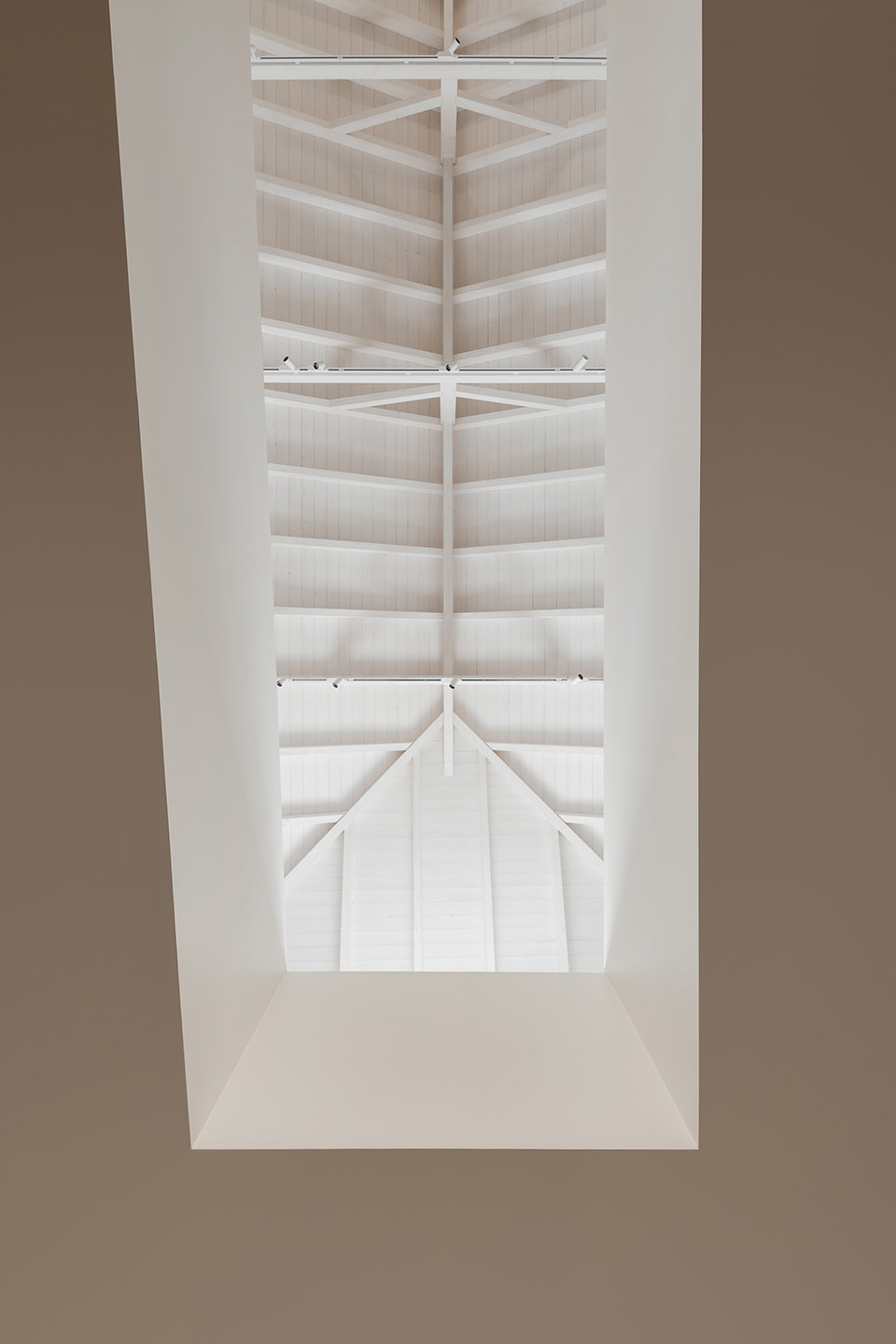
坡道由钢结构制成,表面覆盖金属板并涂成白色。坡道的模块化设计使其能够容纳大量拐杖(展览空间约为45米线性长度)。这种设计不仅方便了安装,也确保了空间的灵活性。
▼坡道剖面,ramp section
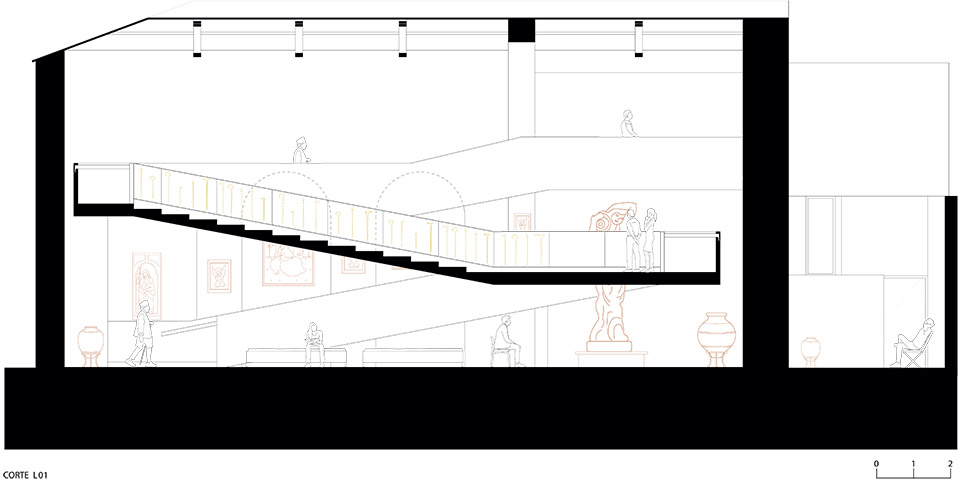
The ramp is made of a steel structure, covered with metal sheet, and painted white. It is designed modularly andaccommodates an extensive number of canes (with an exhibition surface of approximately 45 linear meters). Its modularity also facilitated its installation within the building.
▼坡道设计,ramp design
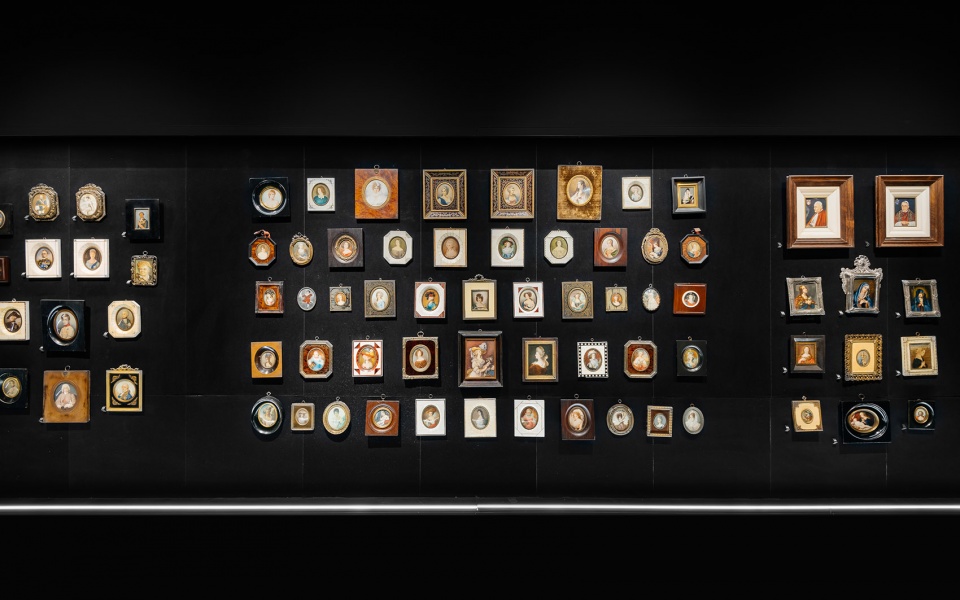
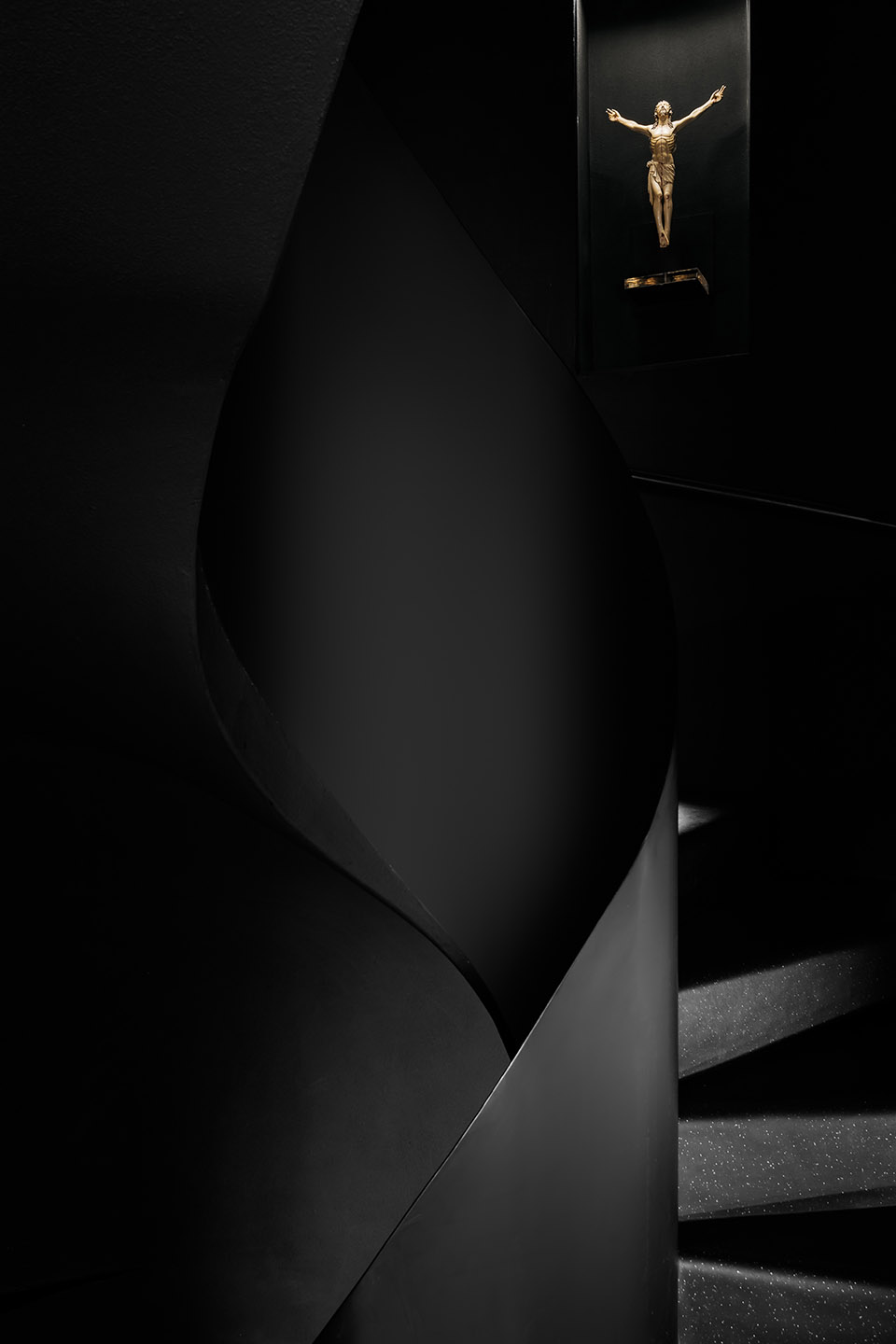
与此相对,悬挂的外部体量——用于展示象牙画作——采用了全黑的室内环境,营造出一个昏暗、私密的氛围,使观众能够专注于展示的精致作品。
▼剖面图,section
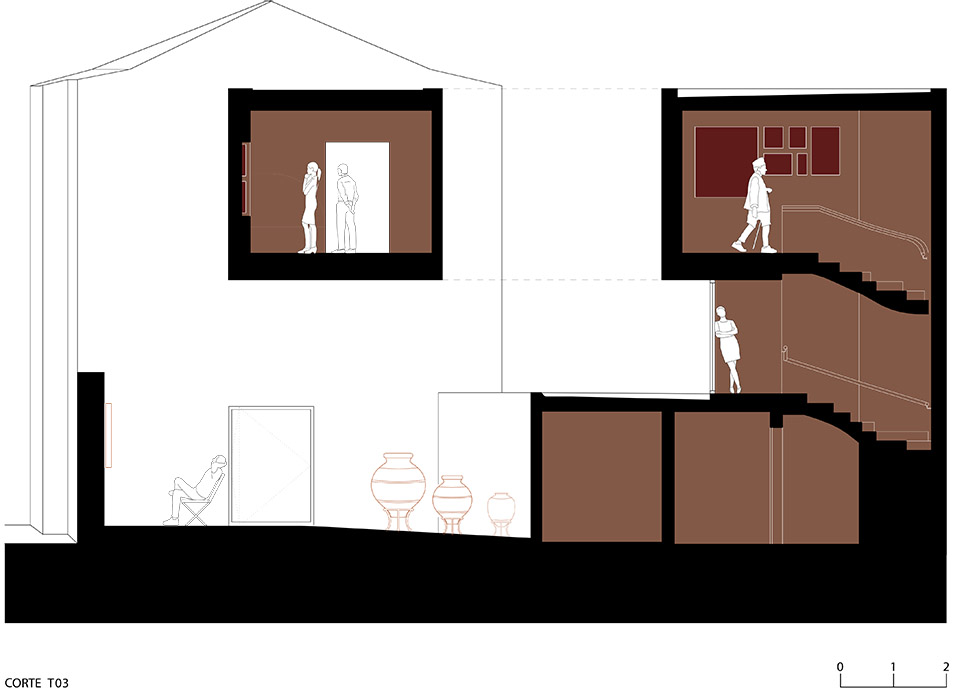
In contrast, the suspended exterior volume, which houses the ivory artworks, adopts a total dark interior, creating a dimly lit, intimate space that invites the viewer to focus on the details of the small pieces on display.
▼营造出一个昏暗、私密的氛围,creating a dimly lit, intimate space
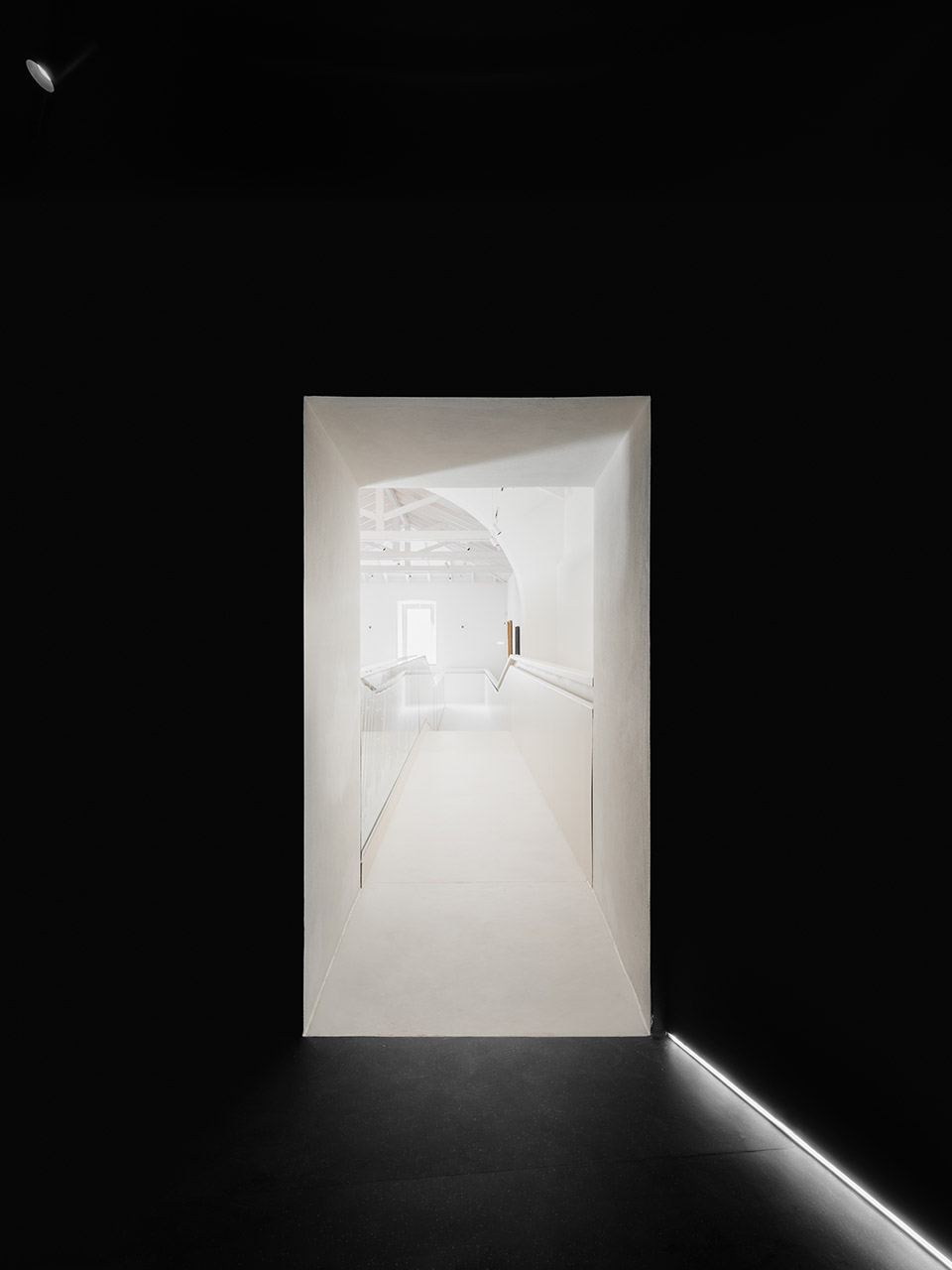
▼用于展示象牙画作的全黑的室内环境,a total dark interior houses the ivory artworks
▼黑色旋转楼梯,black spiral staircase
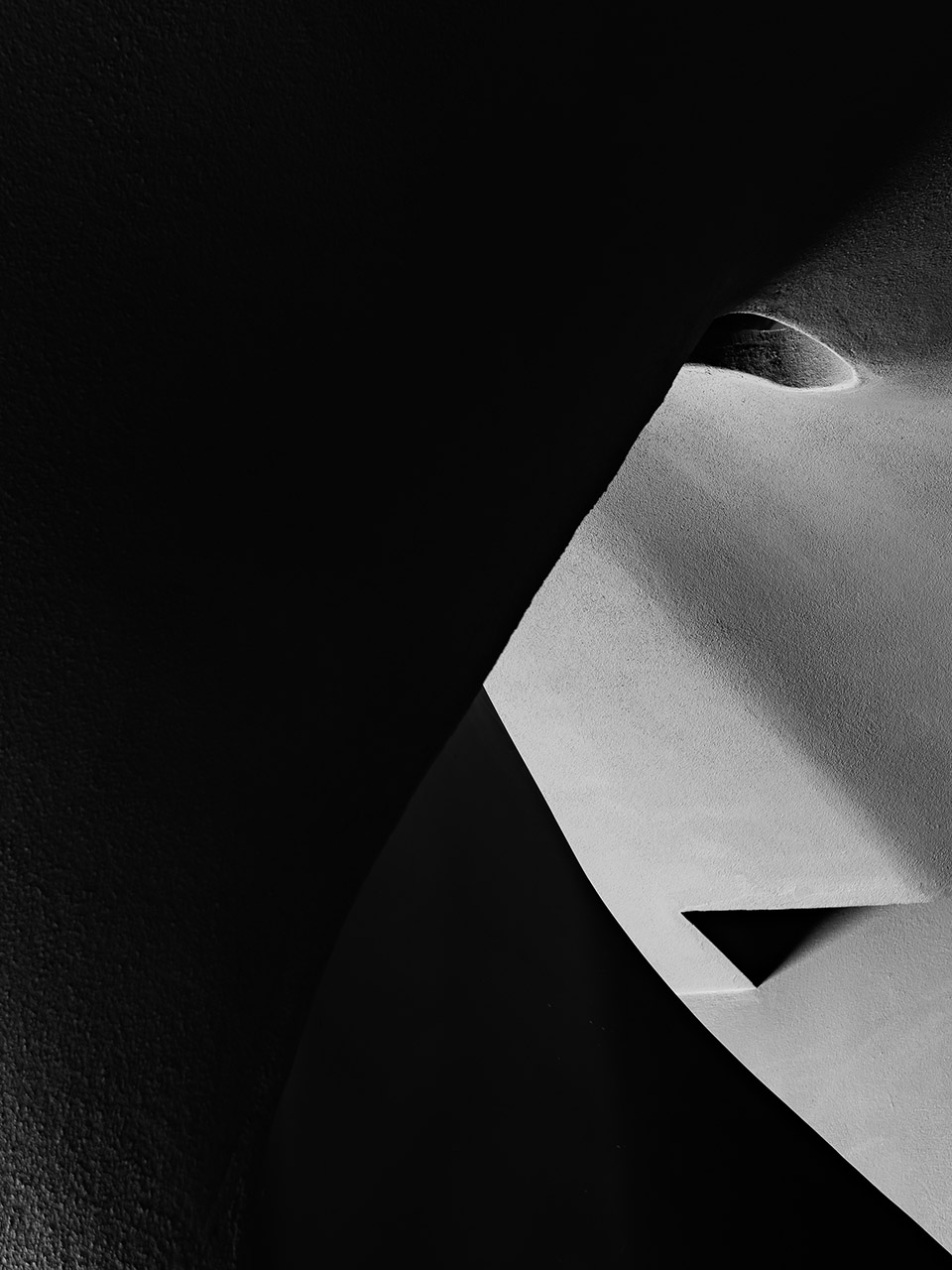
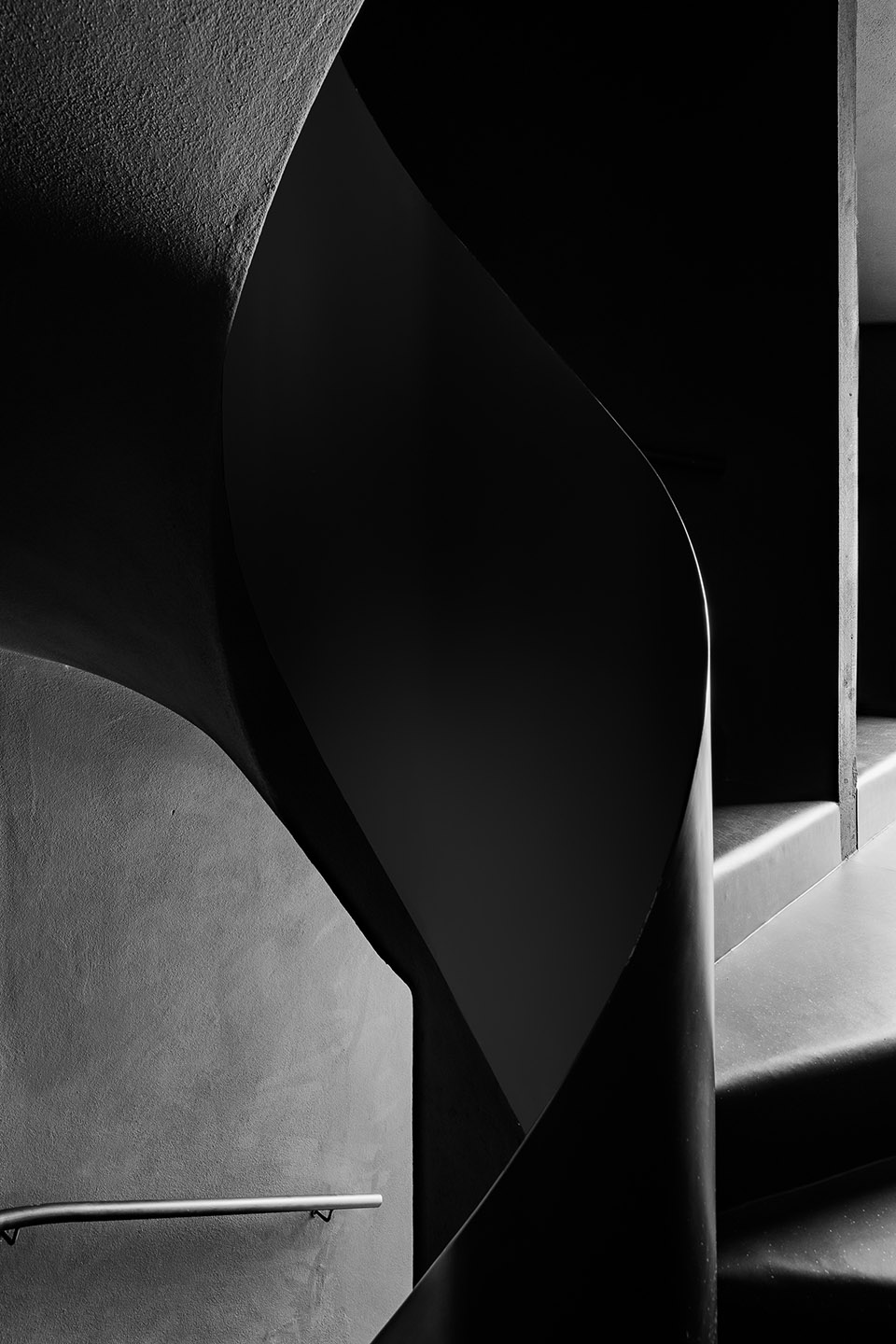
▼黑色旋转楼梯细部,black spiral staircase detail
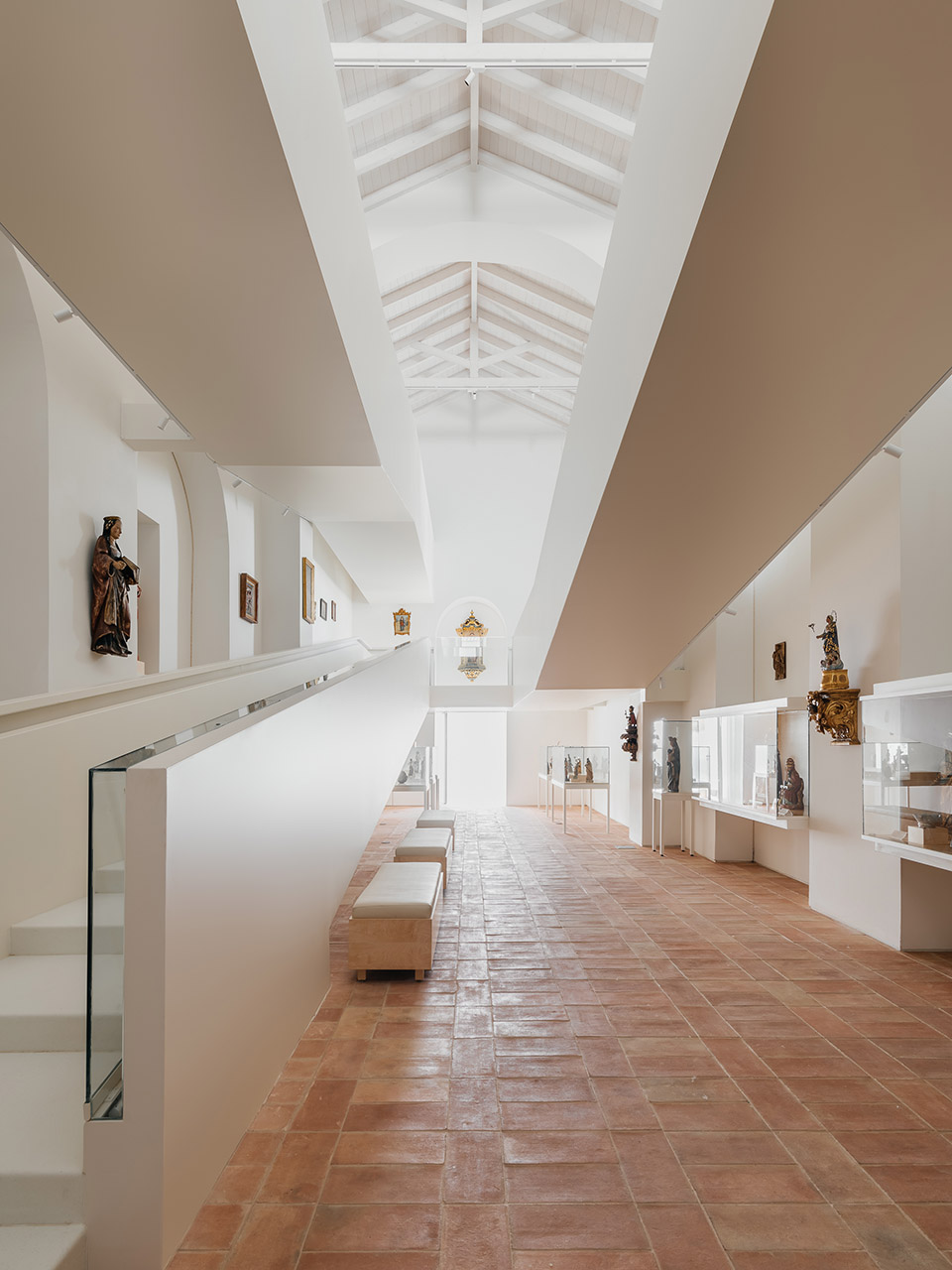
庭院空间和主殿的主要区域则修复了典型的阿尔加维(葡萄牙南部)建筑材料:赤陶瓦地板、白色墙壁和主屋顶的“canudo”瓷砖。博物馆的主门由木材制成,涂成血红色,仿照原有的大门样式。
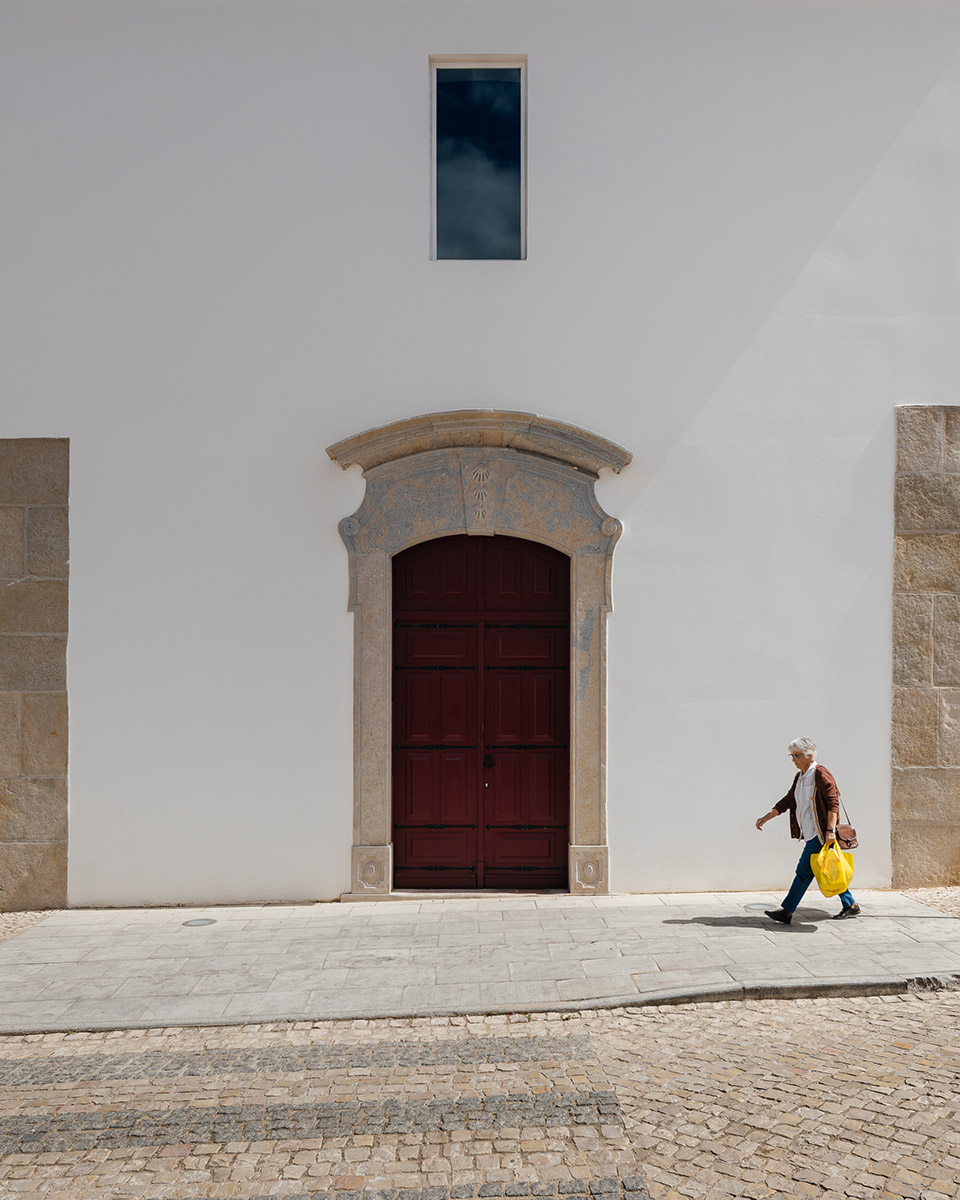
The courtyard space and nave’s main area, on the other hand, recover the typical materials of Algarvean (southern region ofPortugal) constructions: terracotta tile flooring, whitewashed walls, and “canudo” tiles on the main roof. The main door to the museum — made of wood and painted in a blood-red color — replicates the original door model that was previously in place.
▼白色墙壁和主屋顶的瓷砖组合,whitewashed walls, and “canudo” tiles on the main roof
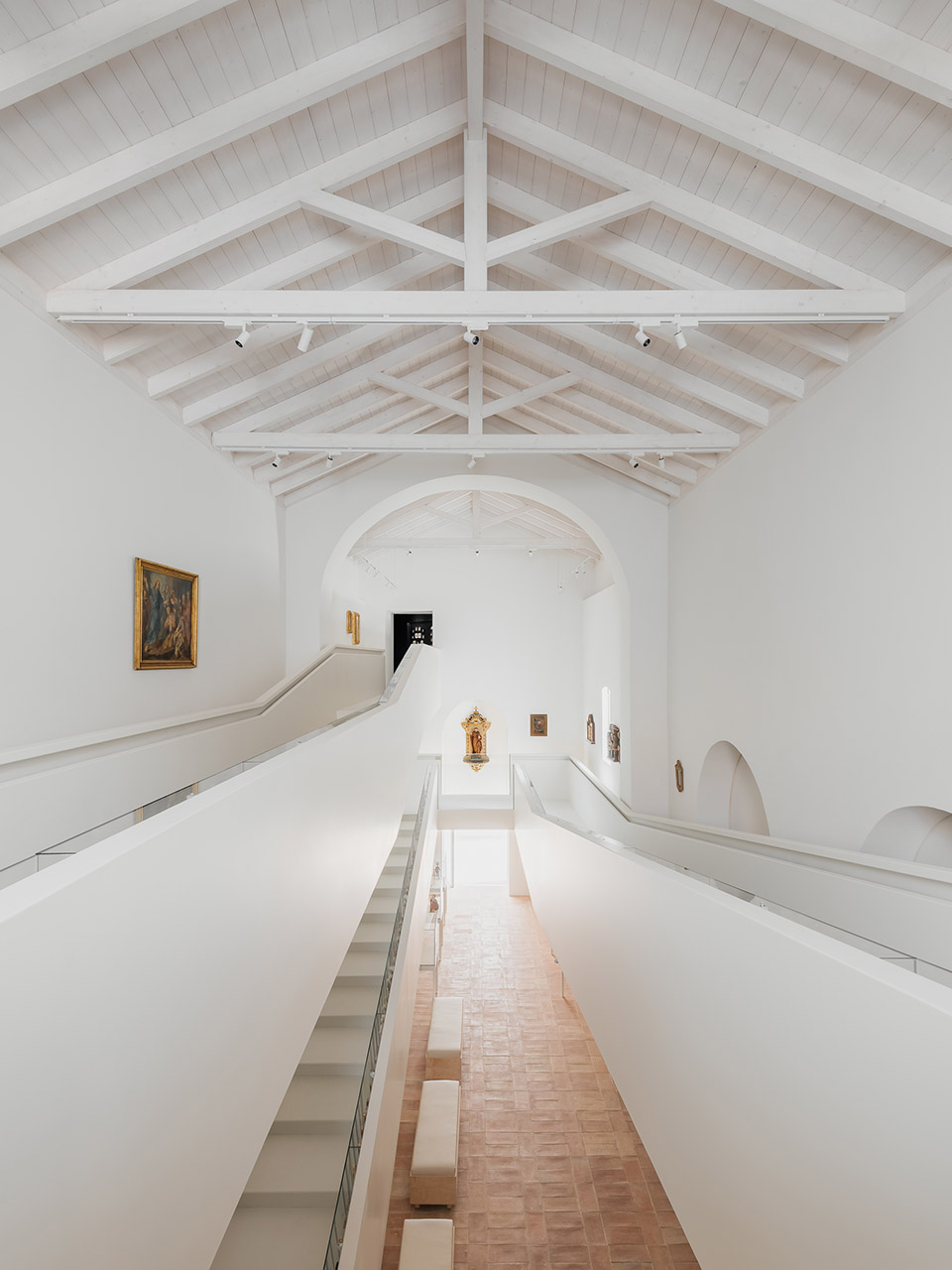
▼赤陶瓦地板,白色墙壁和主屋顶的瓷砖组合,terracotta tile flooring, whitewashed walls, and “canudo” tiles on the main roof
▼主门由木材制成,涂成血红色,the main door made of wood and painted in a blood-red color
最后,照明设计旨在突出空间的独特特征,特别是其原本的戏剧性氛围,呼应其作为礼拜场所的历史功能。自然光的引入通过定向开口得以巧妙调控,创造出光明与阴影的对比。而在人工照明方面,重点放在了展品的聚光灯上,而非使用强度较低、均匀分布的照明,以避免影响展览氛围。
Finally, the lighting strategy aimed to enhance the unique characteristics of the space, particularly its inherent dramatic atmosphere,reflecting its original function as a place of worship. Regarding natural light, this condition was manipulated throughtargeted openings that create contrasts between strongly illuminated areas and others in shadow. As forartificial lighting, all efforts were focused on spotlights for the pieces and objects on display, as opposed to general, more homogeneous lighting with lower intensity.
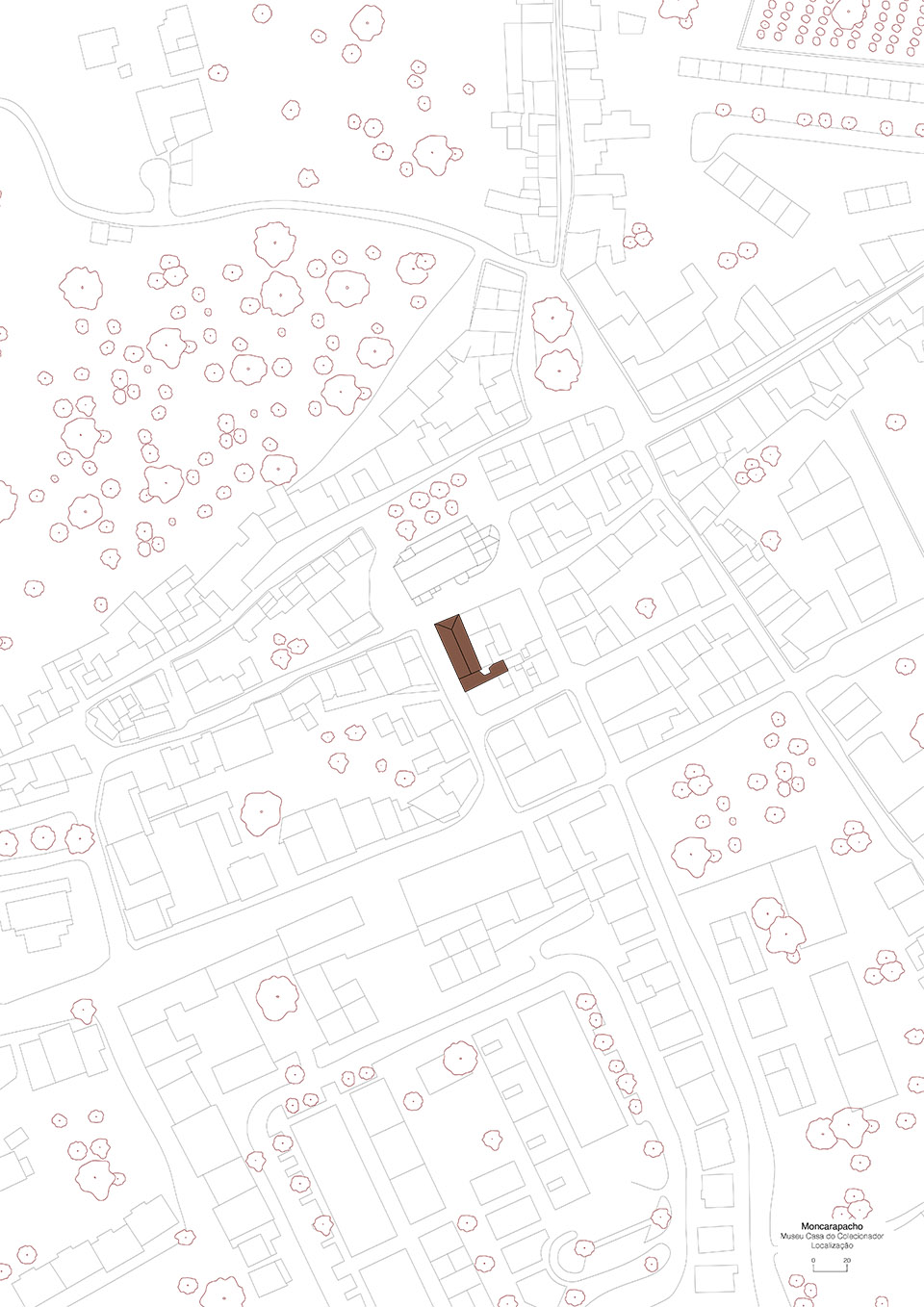
▼场地区位,site location
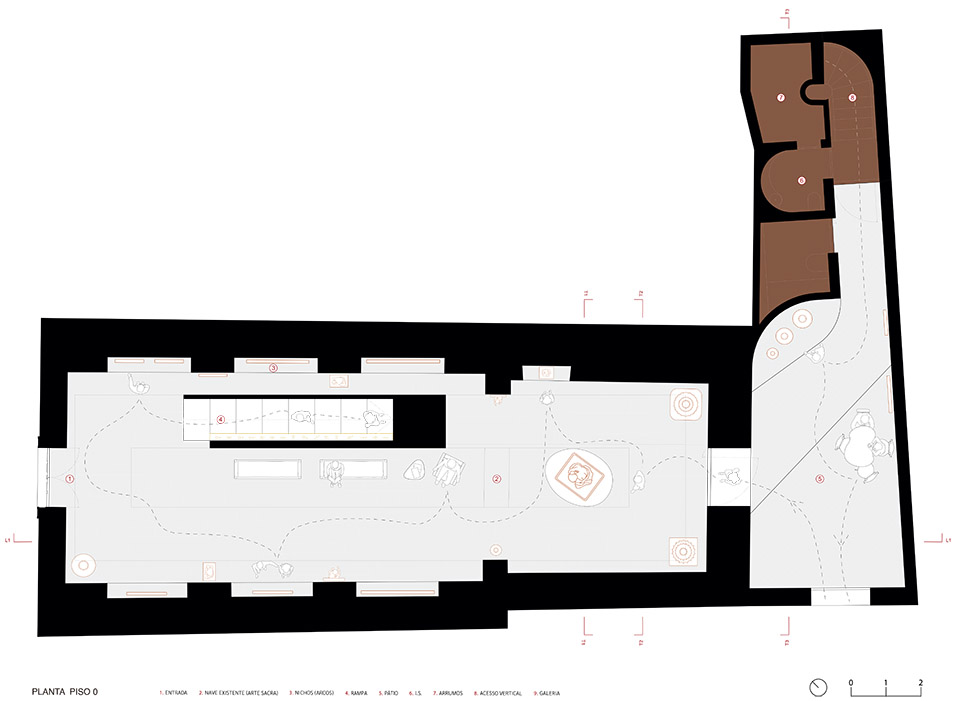
▼一层平面图,ground floor plan
▼夹层平面图,mezzanine level plan
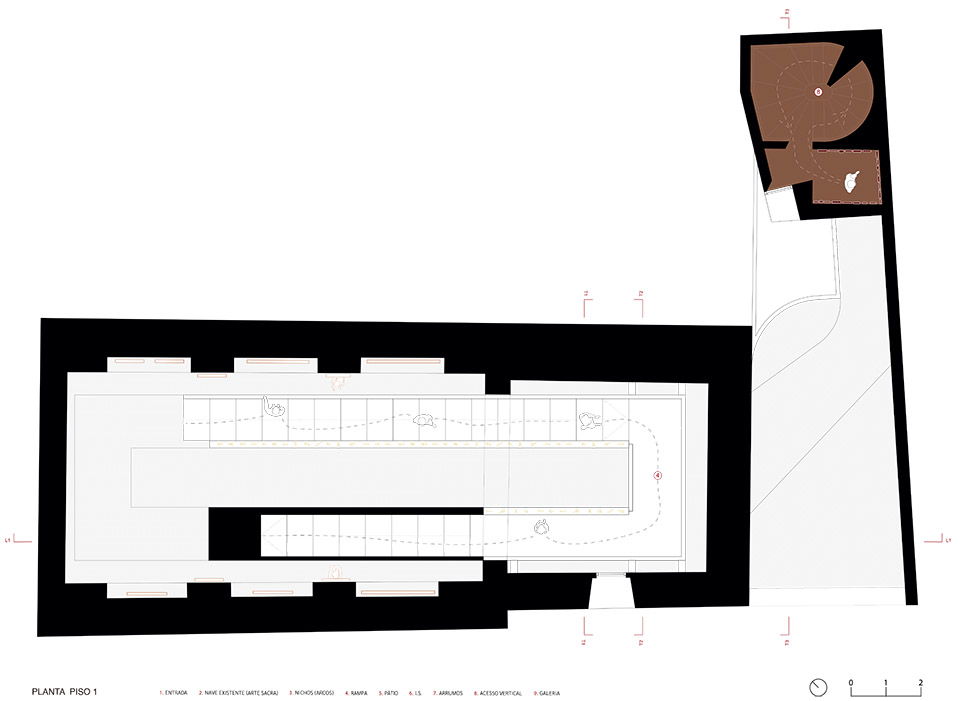
▼二层平面图,first floor plan
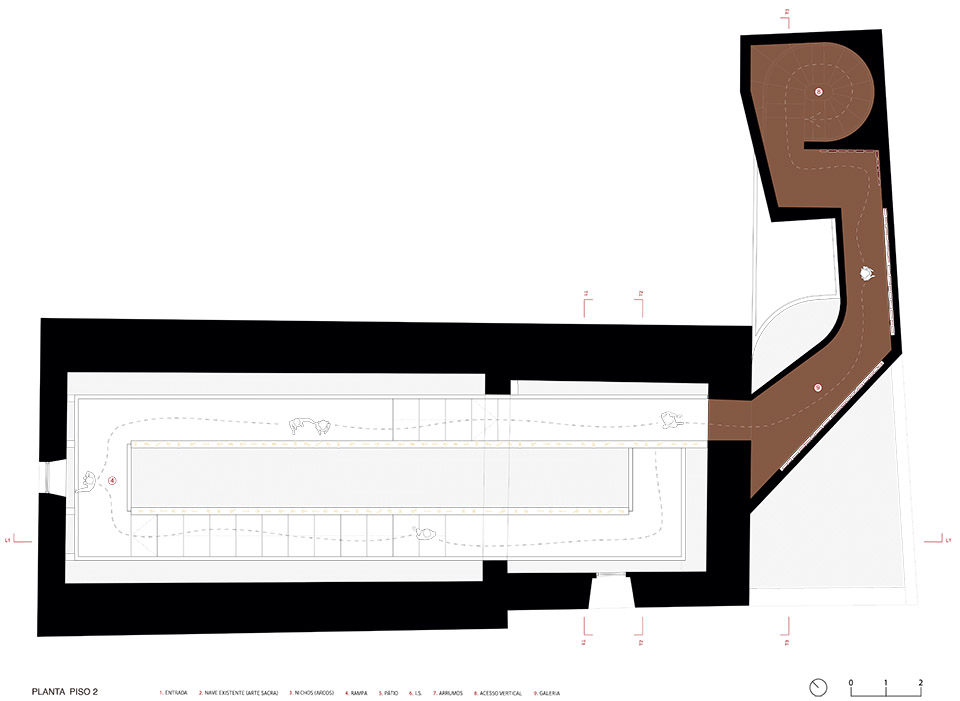
▼剖面图,section
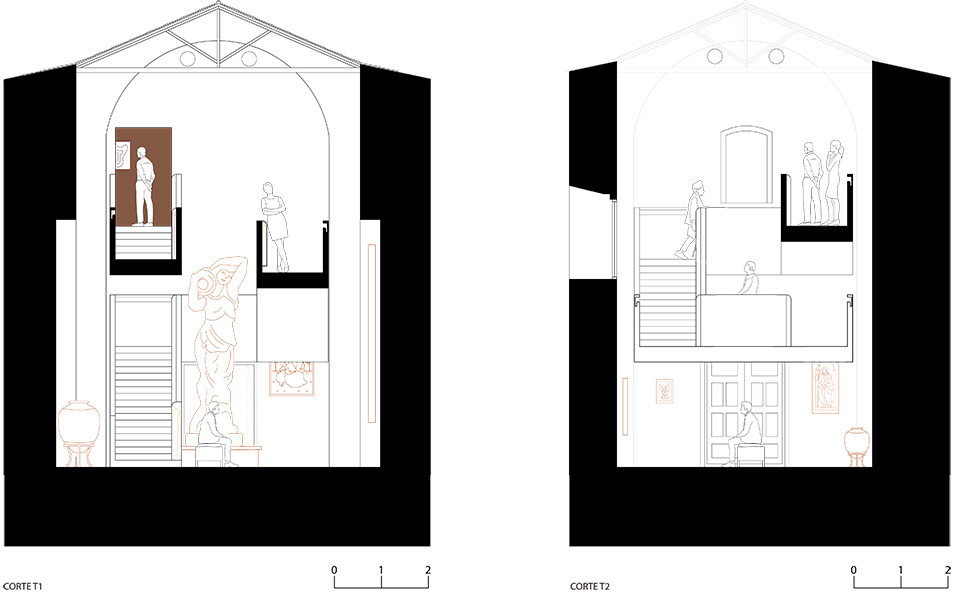
▼细部,detail
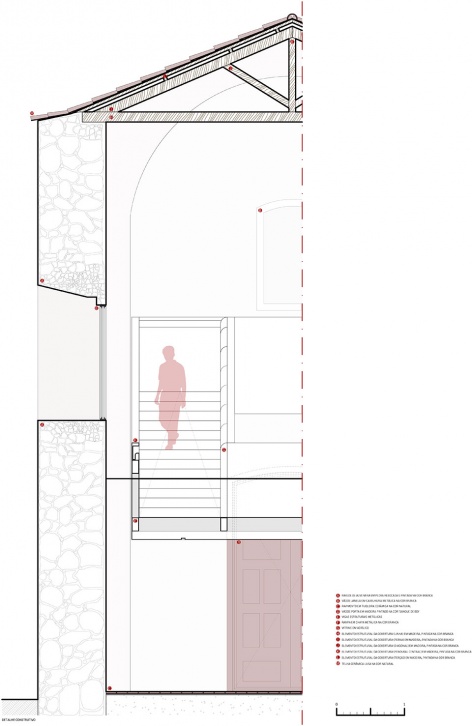
▼坡道细部,ramp detail
Project: Museu Casa do Colecionador
Location: Moncarapacho, Algarve
Program: Cultural, Renovation
Area: 260 sqm
Year: 2024
Architecture team: Filipe Rodrigues, Inês Vicente, Marta Frazão, António Pedro Faria, Filipa Neiva, Joana Matos, Rafael Gomes
Engineering: Eng. Augusto Candeias [coord.]
Construction: Maxi 9 construções; António José Afonso Brito [concrete structure]; [Andrade e Filhos [metal work]; Quinta da Madeira [wooden structure]
Photographs © do mal o menos