SERVAN综合体,法国巴黎 / STUDIO VINCENT ESCHALIER
Studio Vincent Eschalier重新构思了一个四栋建筑的综合体,呈现出一项透明的项目。该工作室的设计方式突出了现有建筑及其历史,同时通过大面积的楼板、多个生活区域和绿色户外空间,展现出现代感。
Studio Vincent Eschalier reimagines a complex of four buildings in a transparent project. The studio’s approach highlights the existing buildings and their history, while opening to modernity with large floor plates, several living areas and green outdoor spaces.
▼街景立面,Street view
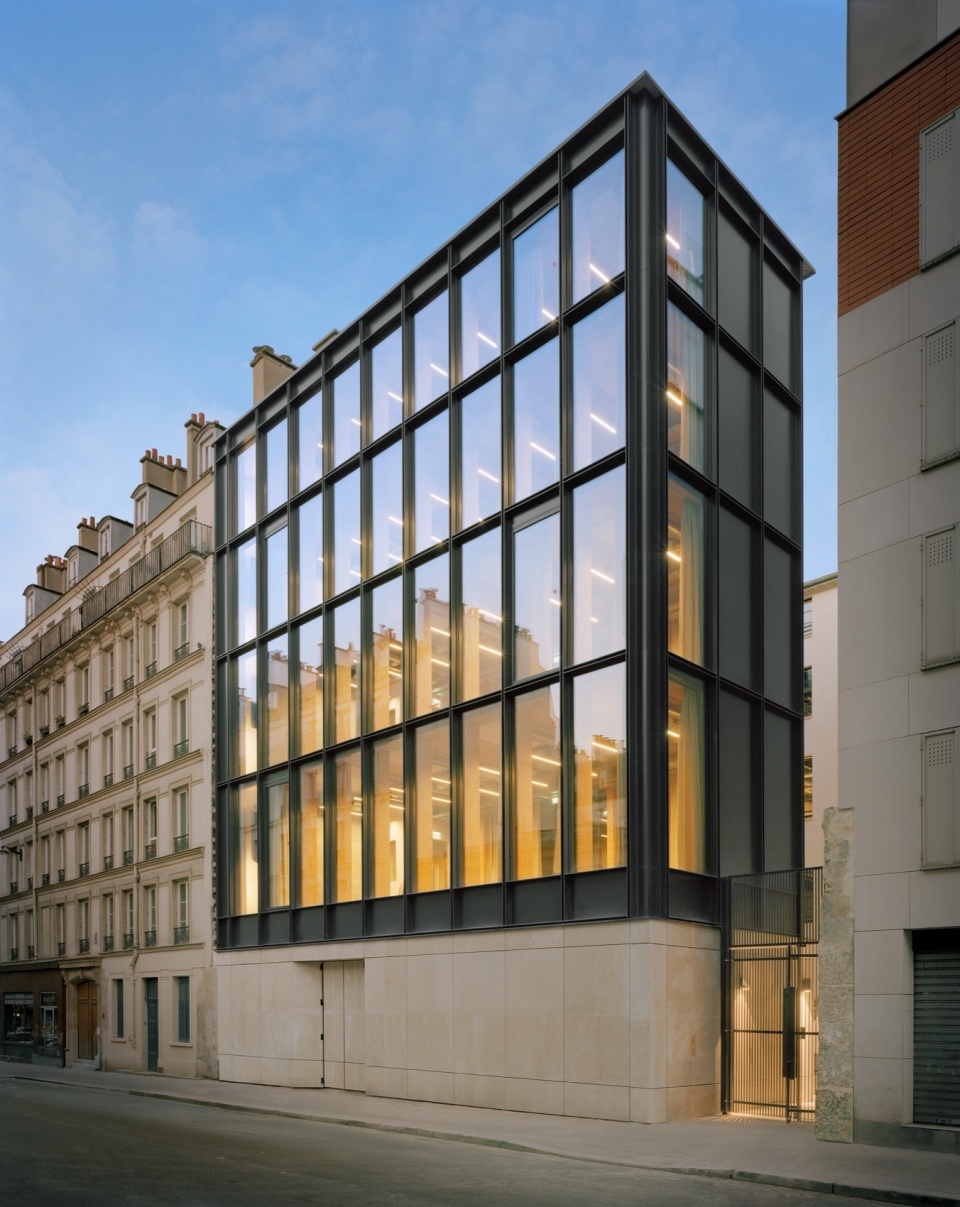
该建筑位于一条拥有折衷建筑风格和工业遗产的街道上,位于圣-安布鲁瓦兹(Saint-Ambroise)和拉-罗凯特(La Roquette)这两个充满活力的街区之间。建筑最初由享有盛誉的Gaveau钢琴工厂于1850年代建造。之后,Gaveau的工作坊和商店被Legrand鞋类制造商所取代。
Located in a street of eclectic architecture and industrial heritage, between the lively neighborhoods of Saint-Ambroise and La Roquette, this building was originally built by the prestigious Gaveau piano factory in the 1850s. The Gaveau workshops and stores then gave way to the Legrand shoe manufacturers.
▼立面近景,Facade close view
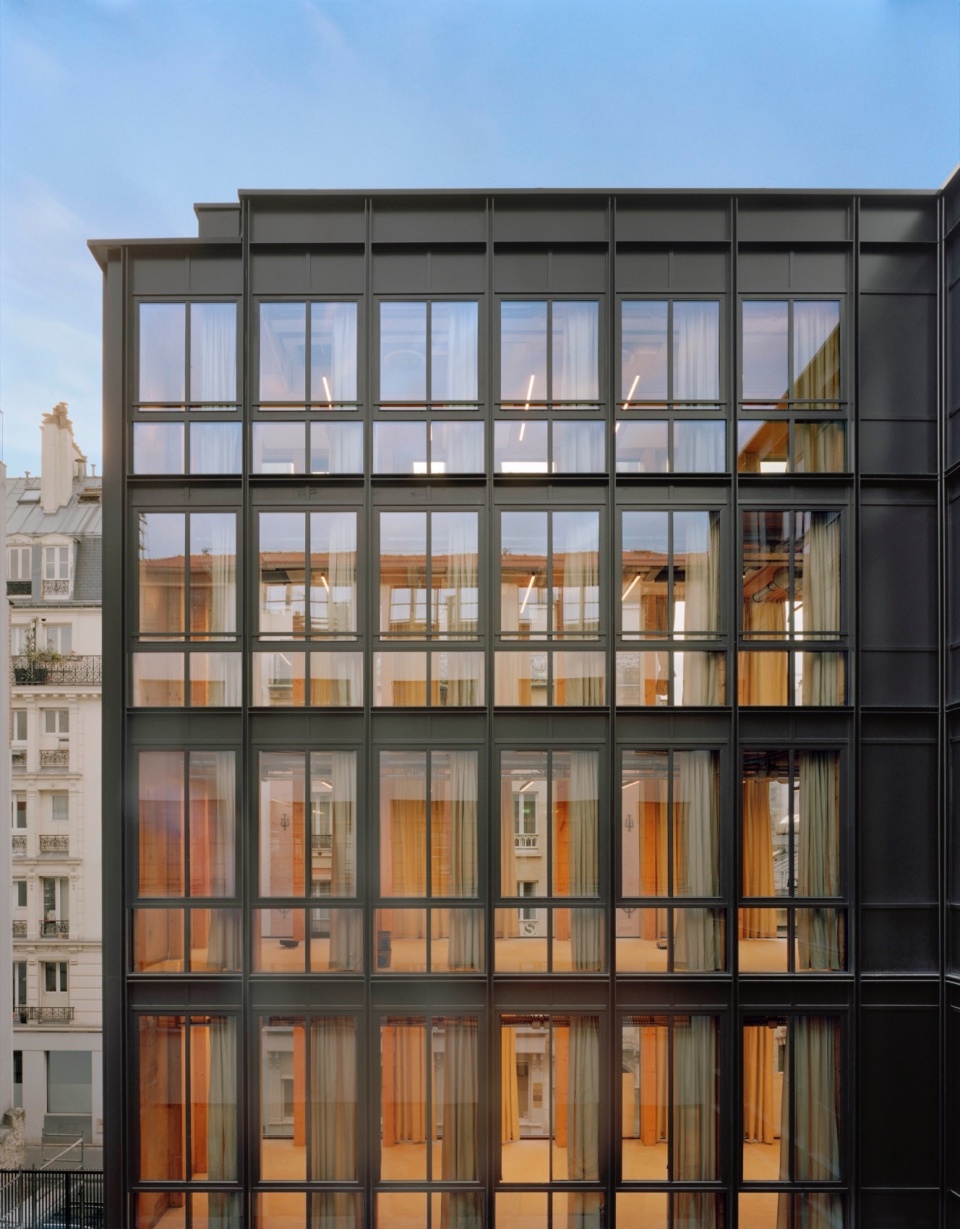
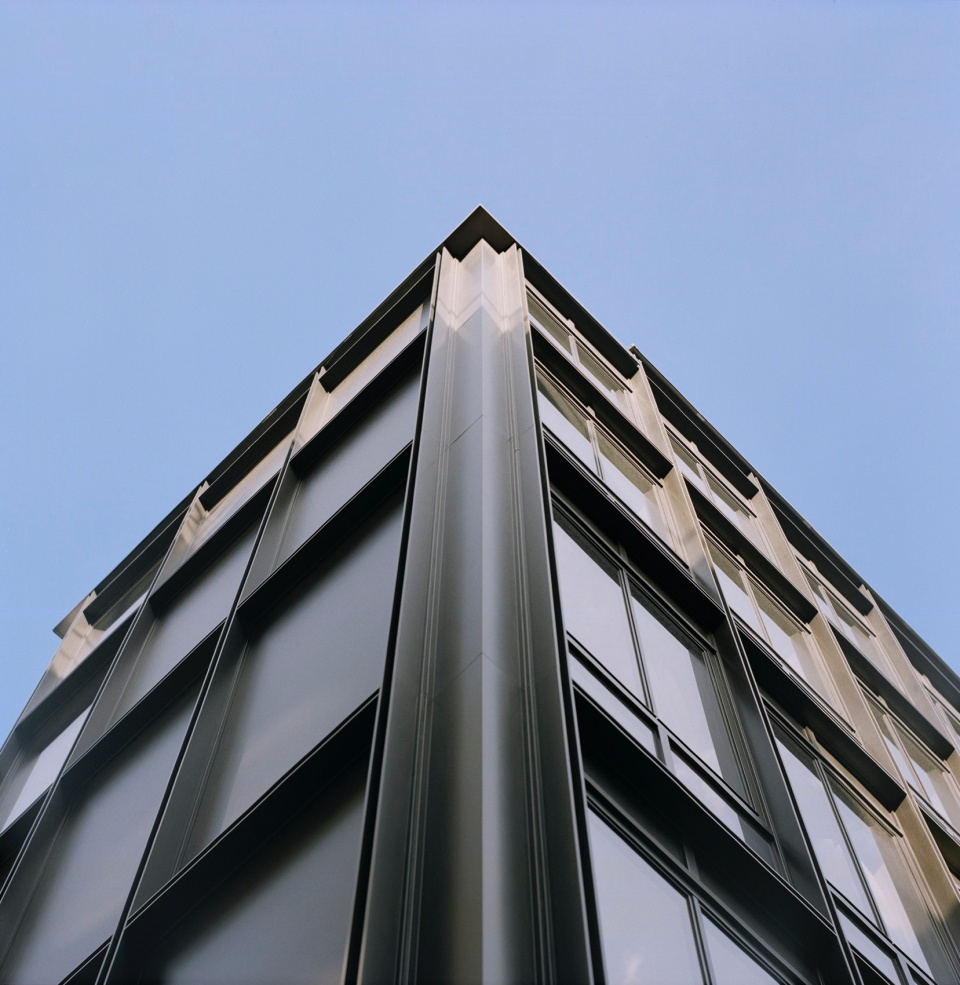
49 rue Servan被打造成一个由四栋连接建筑组成的综合体,提供3440平方米的工作空间和445平方米的绿色户外空间。屋顶露台已被改建为一个生活和工作空间。一个位于玻璃屋顶下的广场可容纳100人,充满了顶光。OSESAM是该项目的业主。
Today, 49 rue Servan is a complex of four connected buildings housing 3,440 sq. m. of workspace and 445 sq. m. of green outdoor space. The roof terrace has been converted into a living and working space. An agora under a glass roof seats one hundred people, filled with zenithal light. OSESAM was the project owner for this project.
▼户外空间,Outdoor space
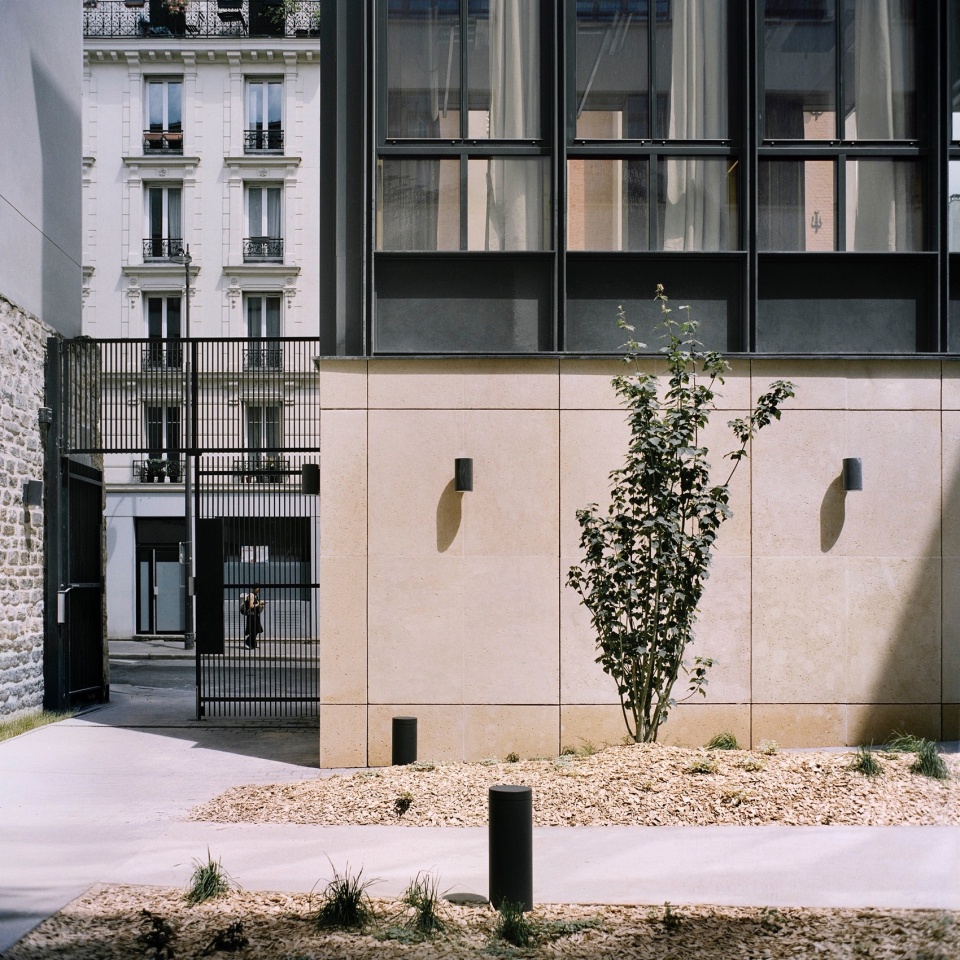
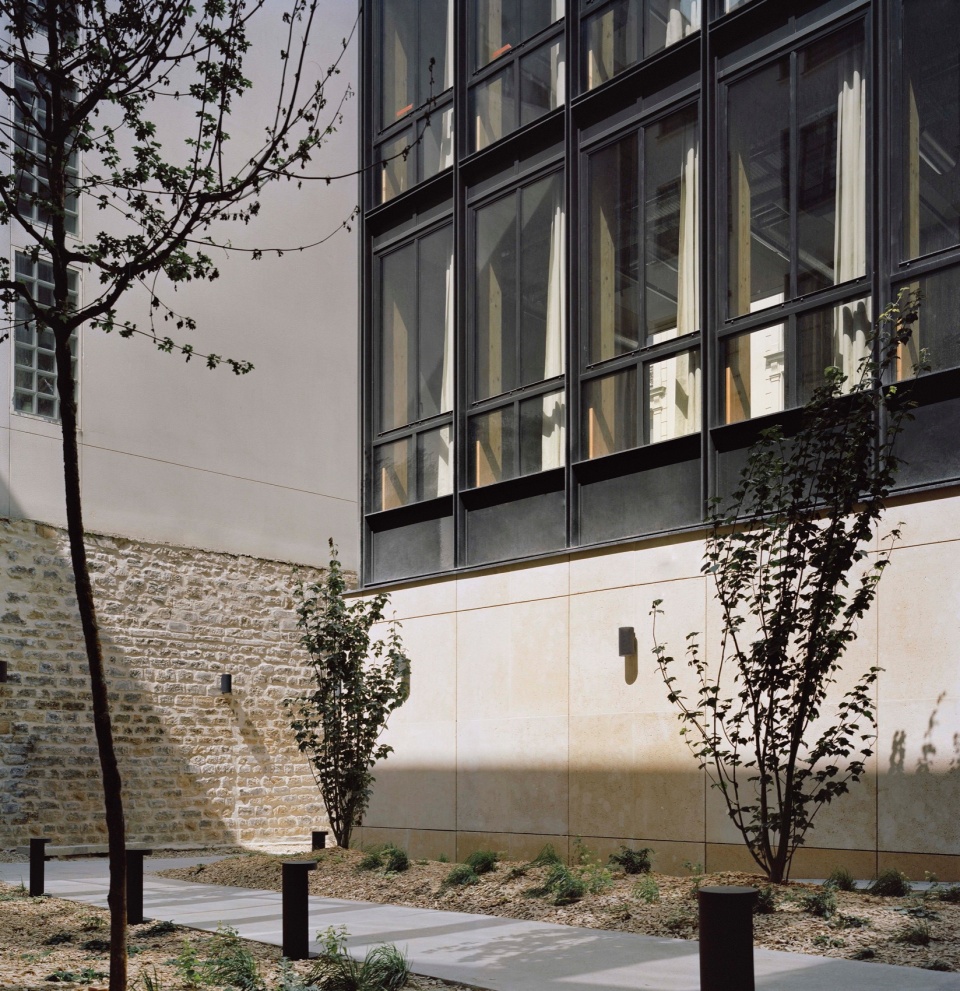
光线与绿色:关注用户福祉的工作空间 Light and greenery for a workspace focused on user well-being
Studio Vincent Eschalier的设计方法注重寻找合适的几何形状和视角,理解现有建筑并发挥其优势。工作室自豪地让场地的历史得以展现。建筑的类型和几何形状因此指导了这个复杂体的设计,设计上从东到西贯穿透明性。第一栋建筑——一座新建建筑——俯瞰着Rue Servan街。其外立面呈现工业风格,黑色金属门窗和巴黎盆地产的浅色石材基座相得益彰。
Finding the right geometries and perspectives, understanding the existing building and using its strengths: Studio Vincent Eschalier takes pride in letting the history of the site shine through. The building’s typicity and geometry therefore guided the design of this complex, designed with transparency from east to west. The first building – a new construction – overlooks Rue Servan. Its facade asserts an industrial style, punctuated by black metal joinery and grounded by a base of light-colored stone from the Paris Basin.
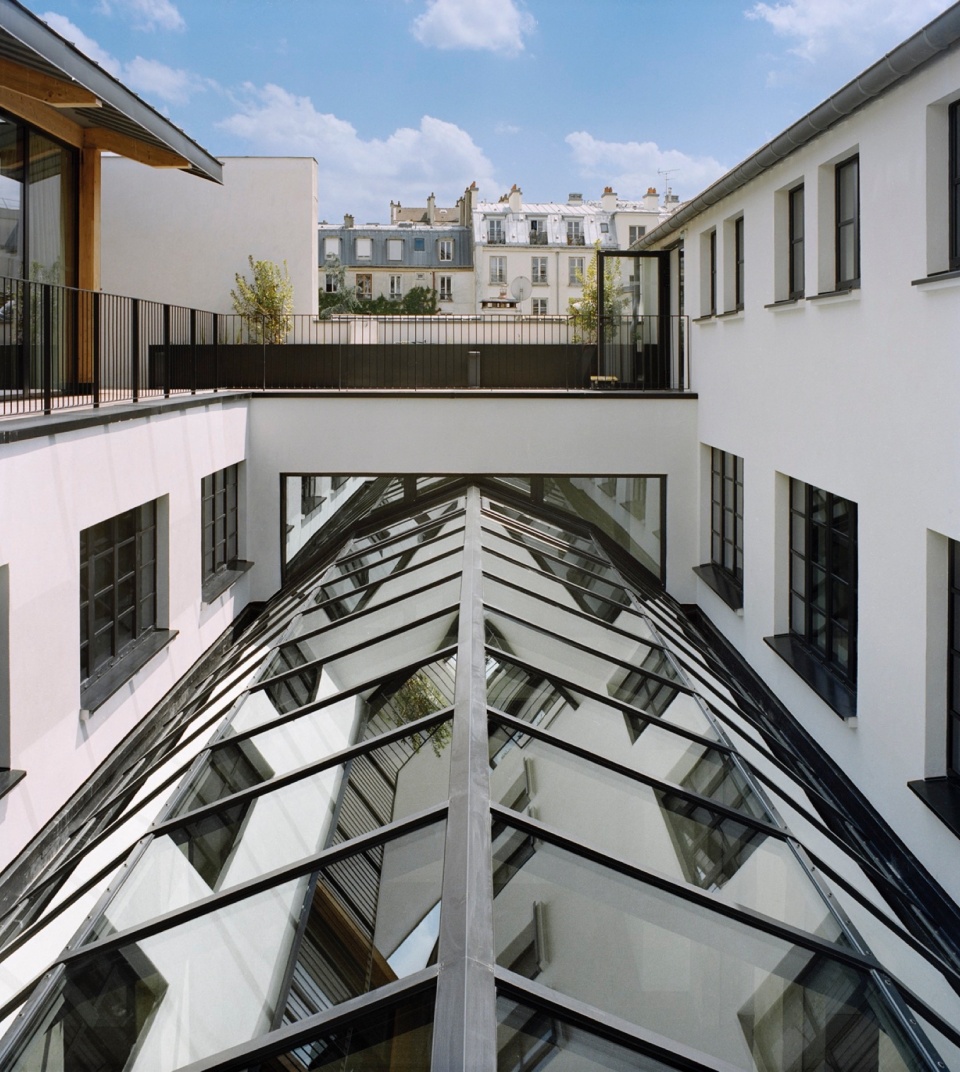
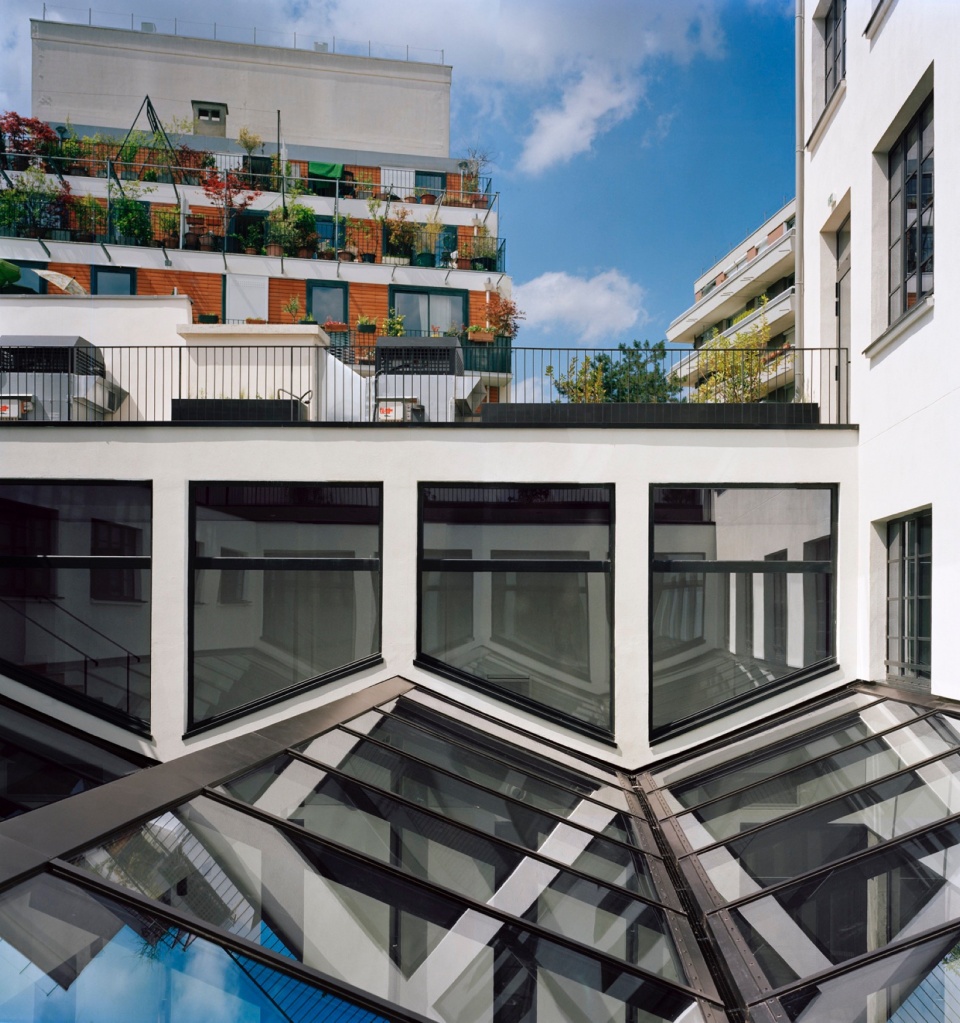
▼俯瞰玻璃屋顶,Overlooking the glass roof
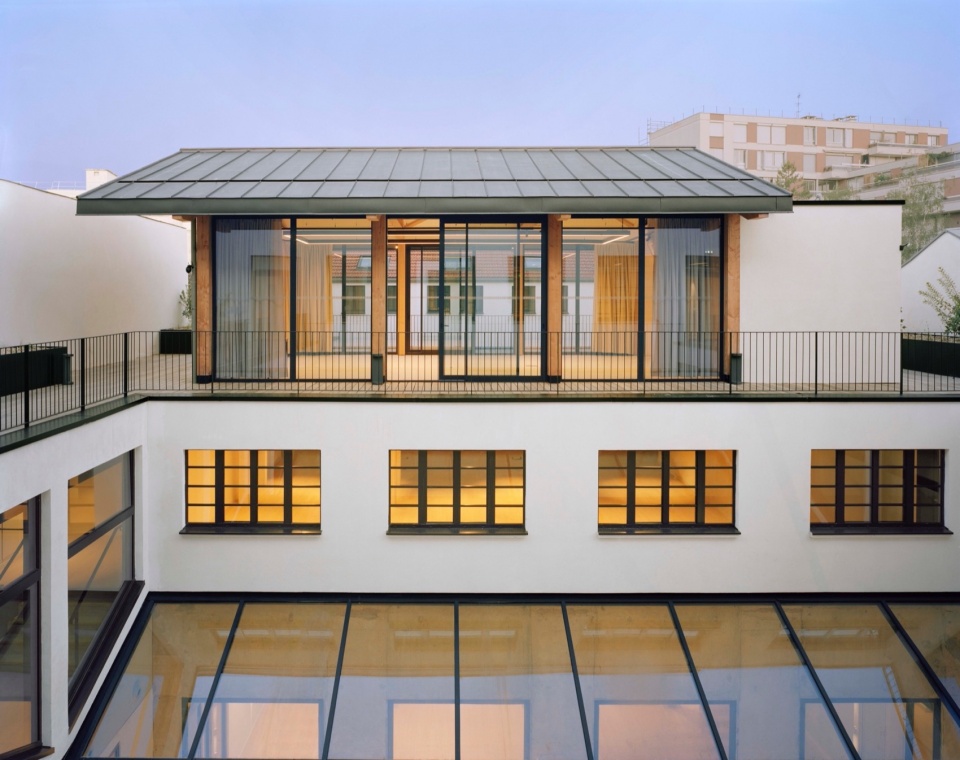
▼屋顶露台,Rooftop terrace
▼屋顶露台,Rooftop terrace
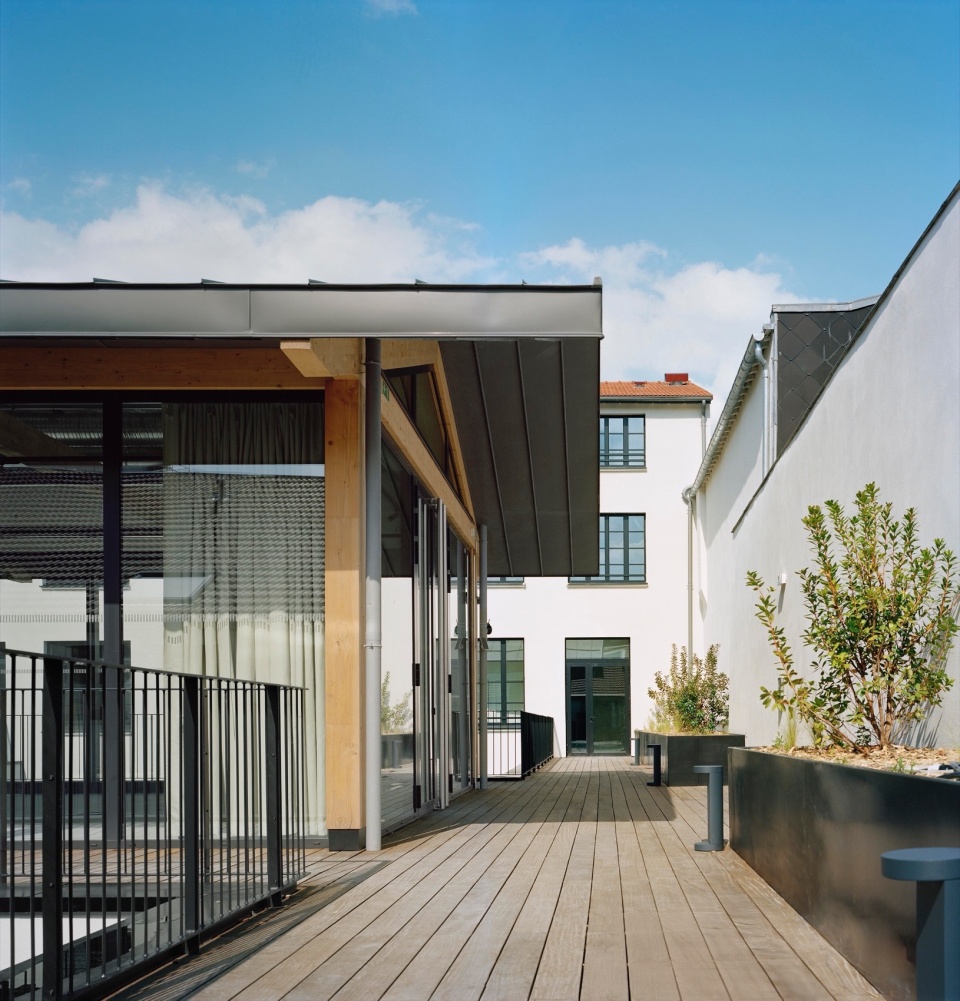
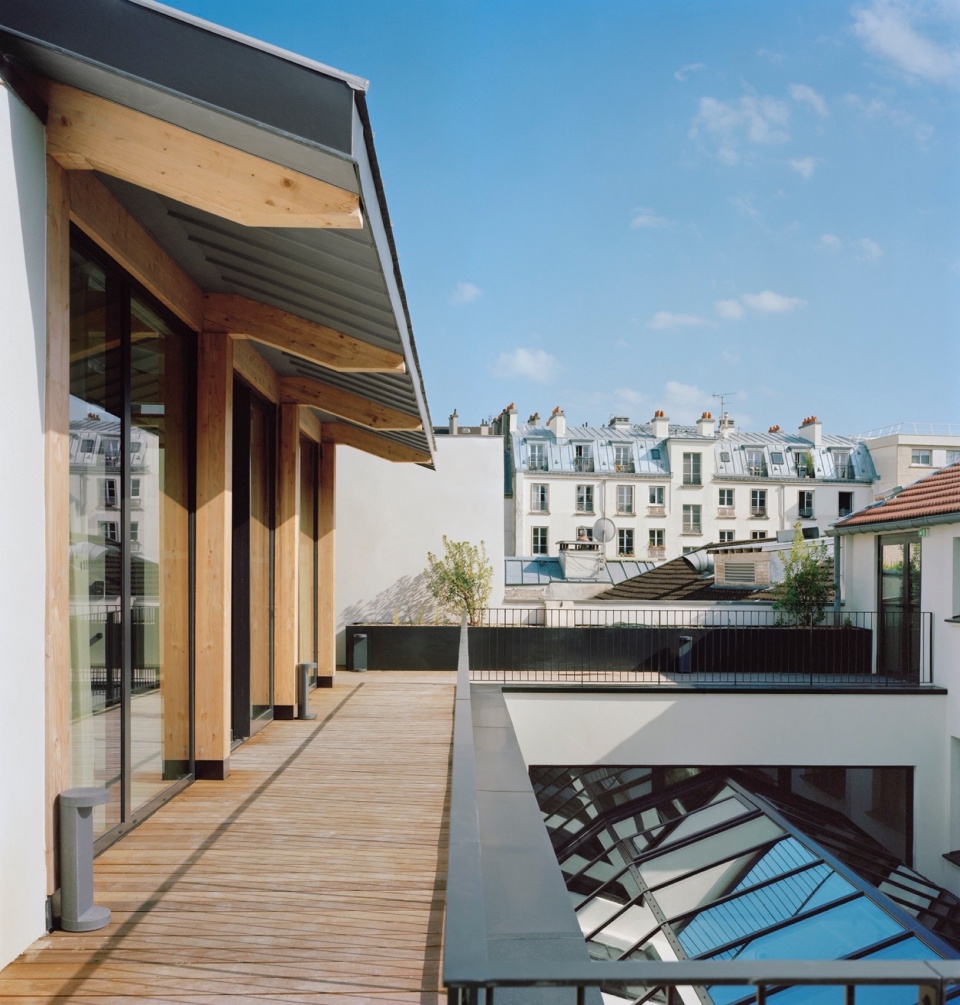
▼屋顶露台近景,Rooftop terrace close view
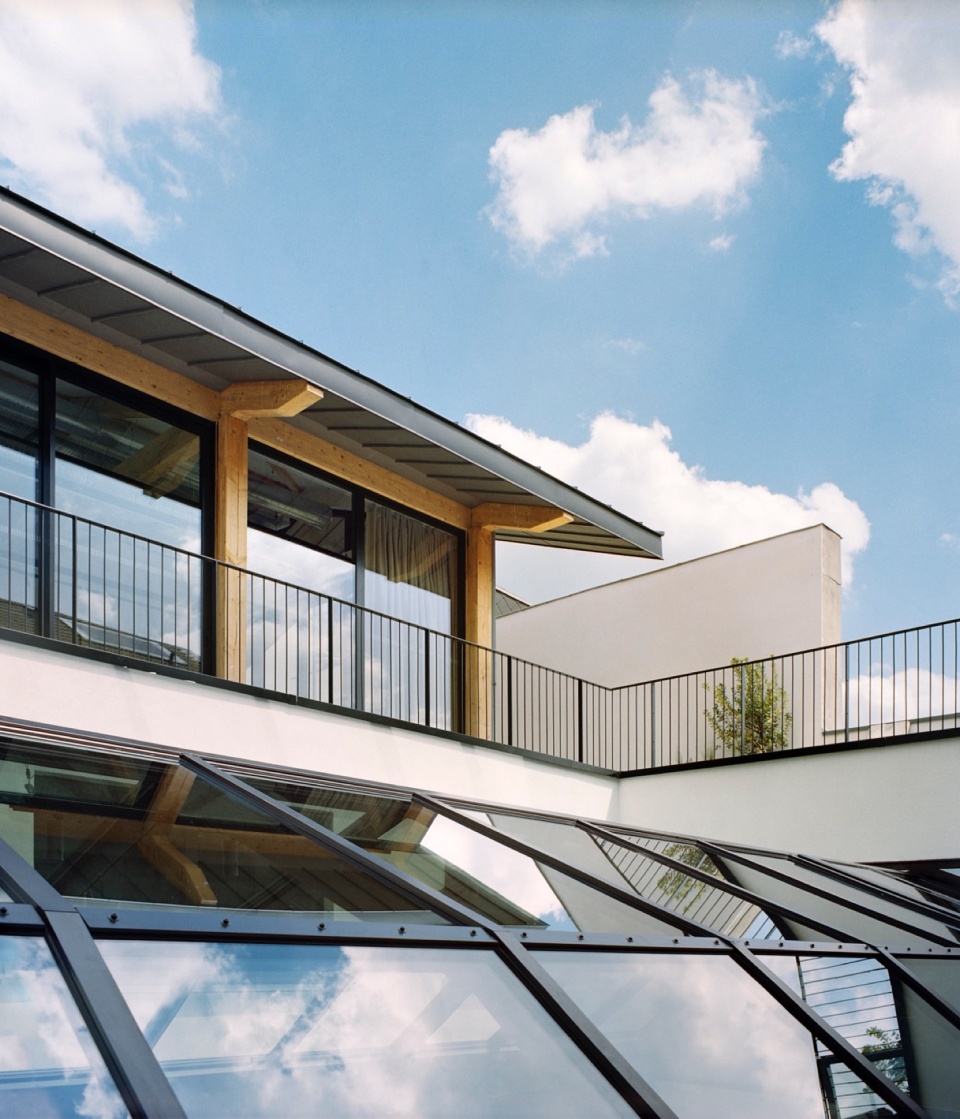
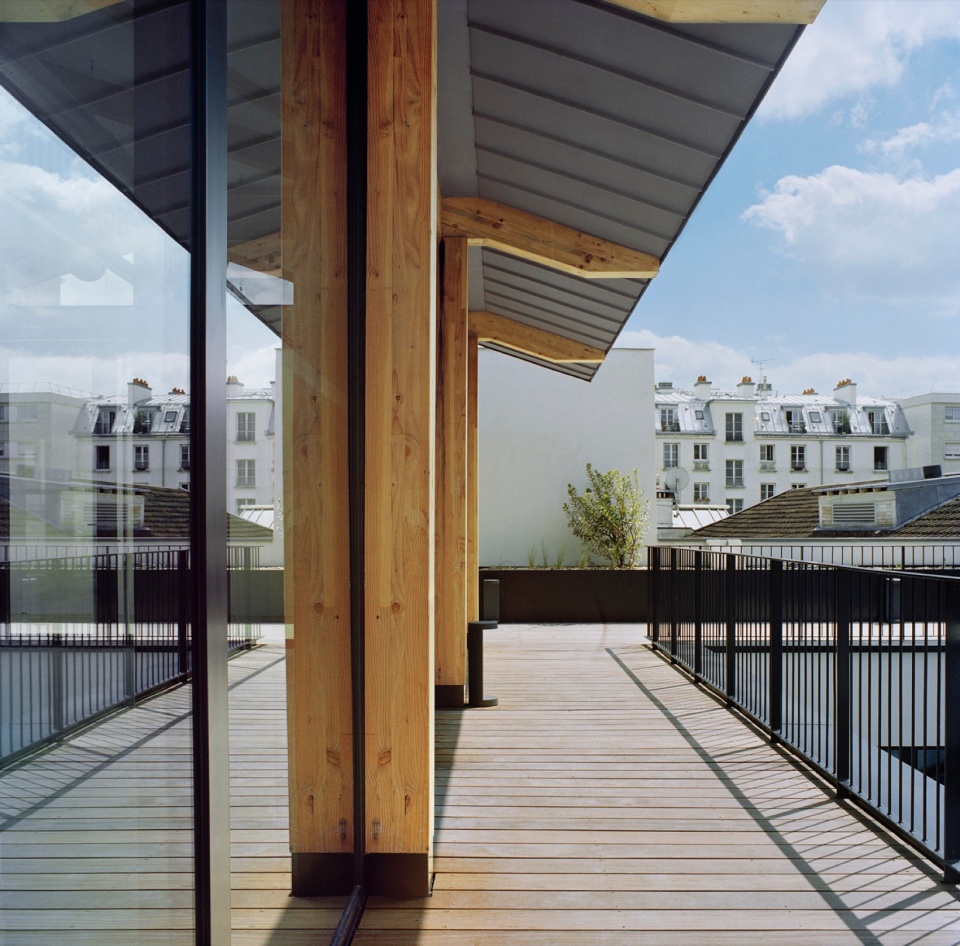
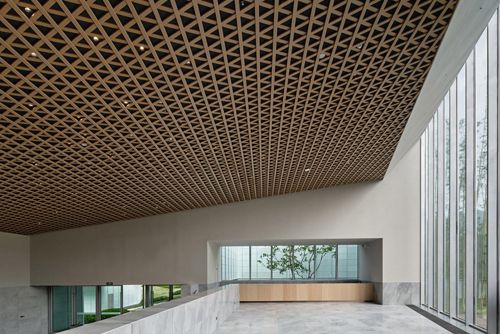
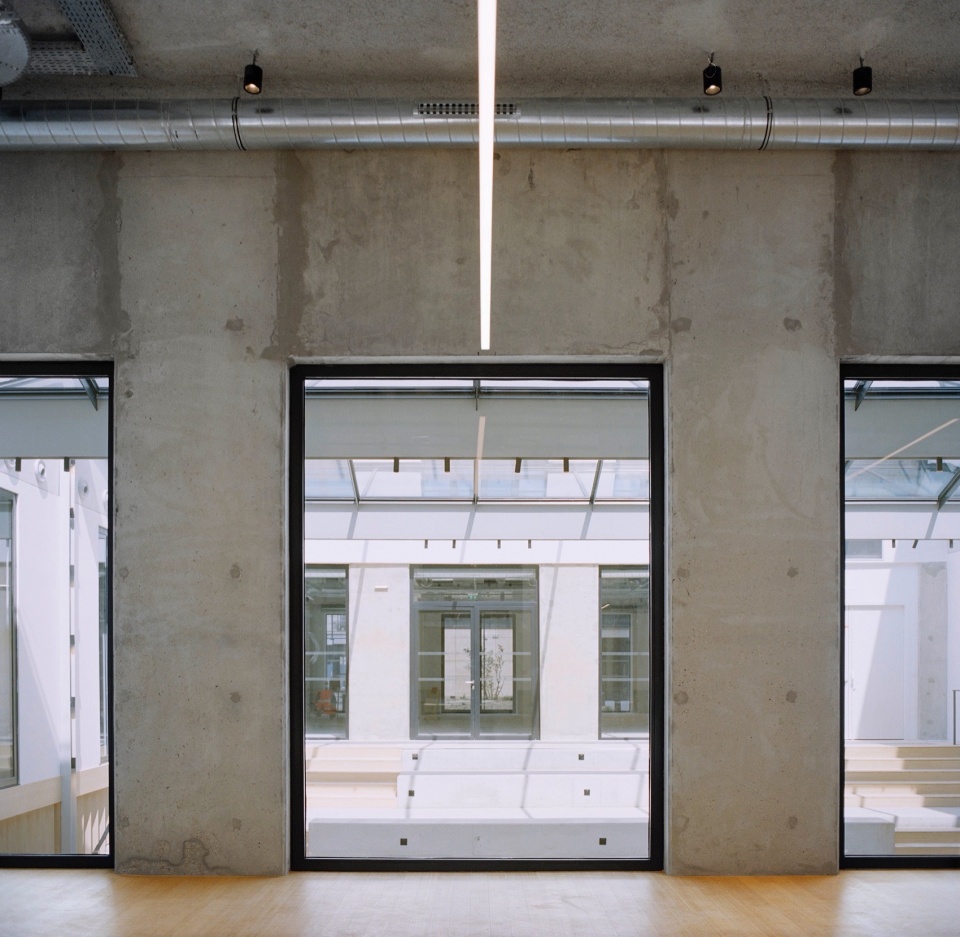
整体设计被其裸露的木结构所柔化,这些木结构从街道上可见。空间得到了充足的自然采光。建筑及其体量被一座不对外开放的绿色屋顶所加冕,这有助于减少场地的碳足迹。三栋翻新过的内建建筑则展现出更为亲密的氛围。访客通过一条绿树成荫的庭院进入。室内完全重新设计,使用浅色矿物材料以捕捉光线,并突出空间的交叉光照特性,以及裸露的结构和技术元素。第三栋建筑具有一个馆顶,是一个真正的露天会议区。这种新的流动路径,既是工作空间也是生活空间,完全以木材设计,并受益于绿色植物的装置。用户可以绕过两个显著的玻璃屋顶,这些屋顶为不同楼层之间创造了视觉联系。第一个玻璃屋顶,通过其几何形状,包含了广场。第二个玻璃屋顶连接了最后的几栋建筑,通向一个充满光线的展厅。
The whole is softened by its exposed wooden structure, visible from the street. The space benefits from ample natural lighting. The building and its volume are crowned by a non-accessible green roof, which helps to reduce the site’s carbon footprint. The three refurbished interior buildings reflect a more intimate approach. Visitors enter through a tree-lined courtyard. Completely reinvented, the interiors feature light-colored mineral materials to capture light and highlight the spaces’ cross lighting qualities, as well as the structural and technical elements left exposed. The third building features a pavilion roof, a true open-air meeting area. This new circulation flow, both workspace and living space, is entirely designed in wood and benefits from green plant installations. Users can circulate around two remarkable glass roofs, which create a visual connection between the different levels. The first glass roof, identifiable by its geometry, houses the agora. A second glass roof connects the last buildings, opening onto a light-filled showroom.
▼屋顶下方空间,Space under the roof
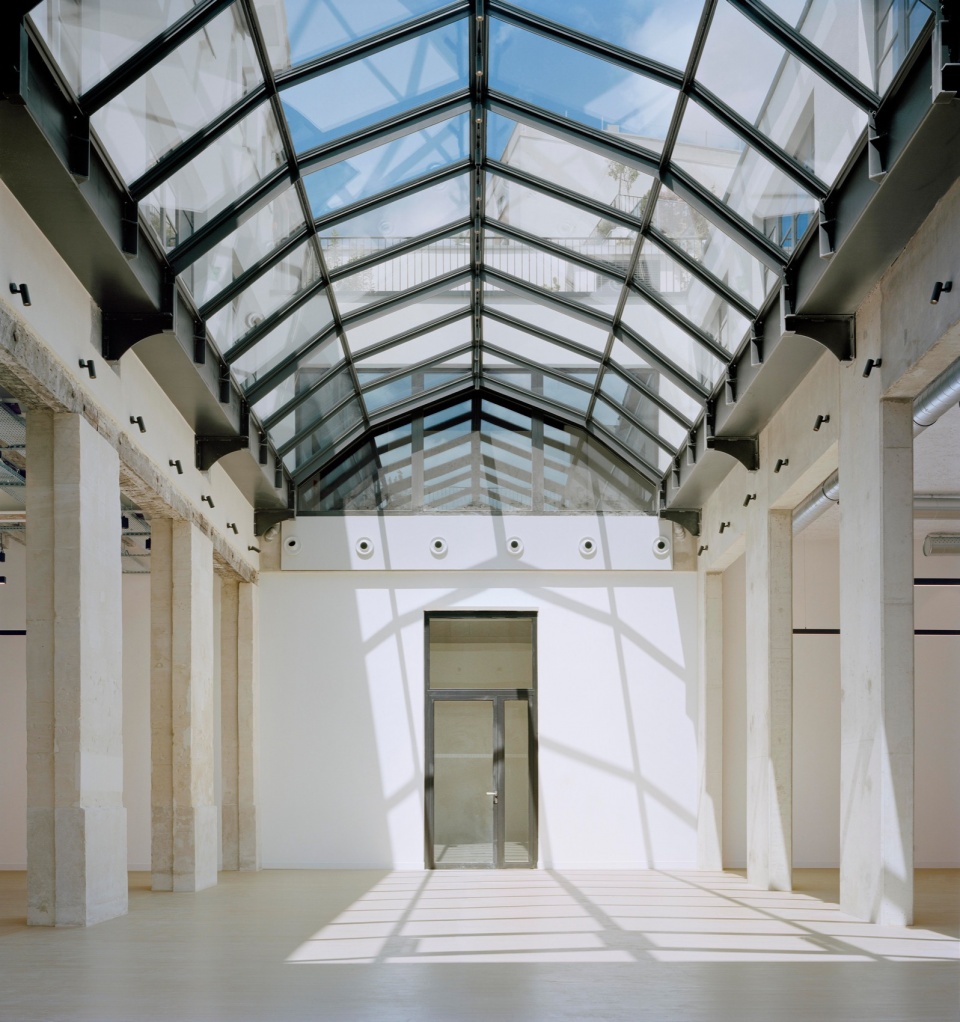
▼阶梯空间,Staircase Space
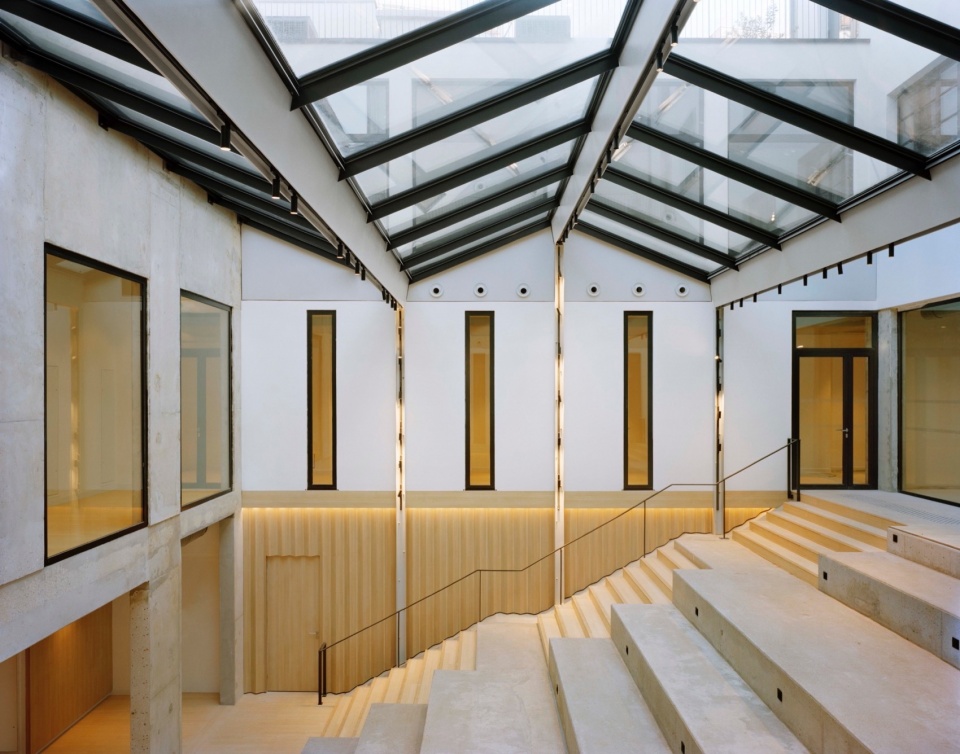
▼阶梯空间近景,Staircase space close view
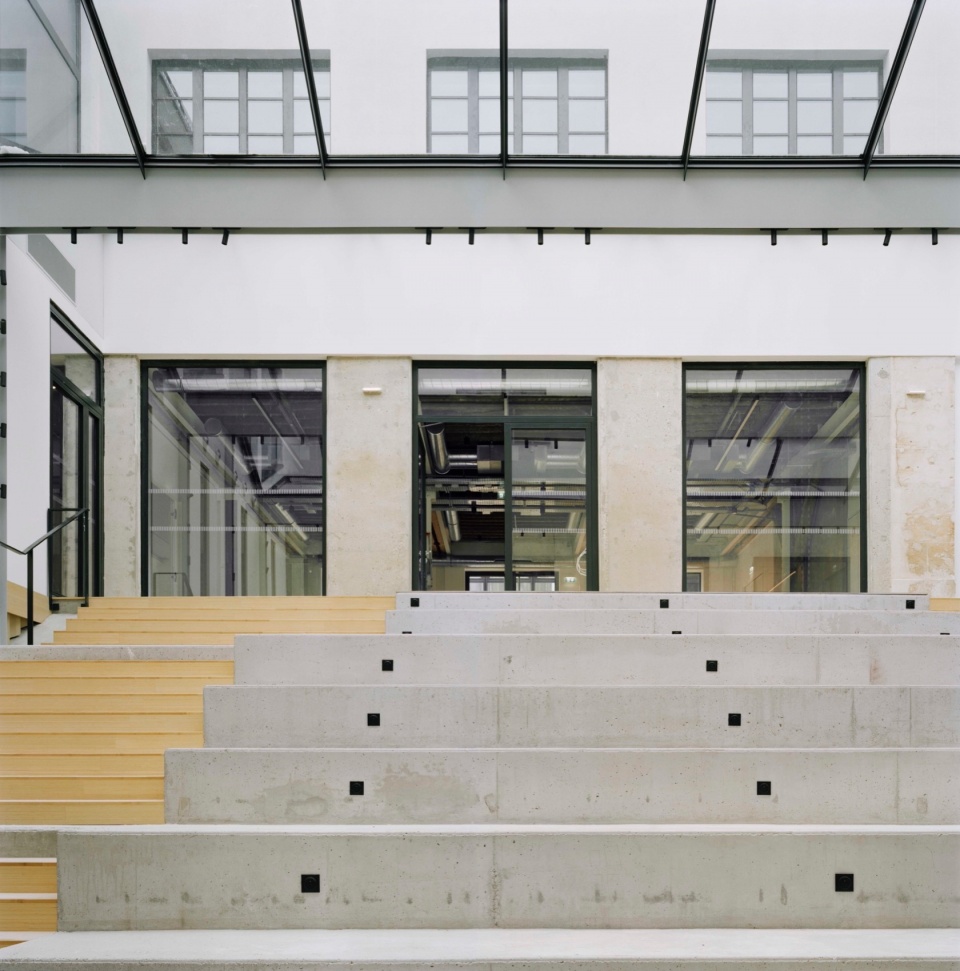
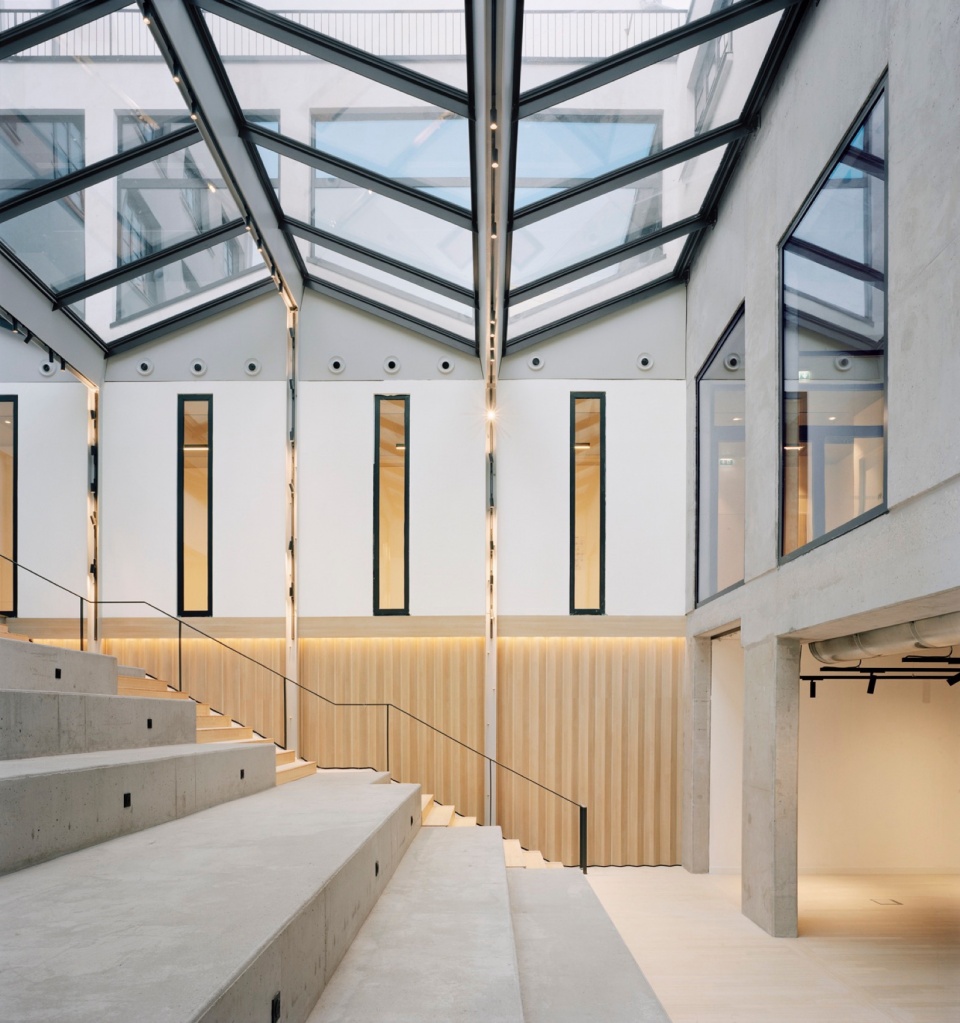
▼室内看向天窗,Indoor view towards skylight
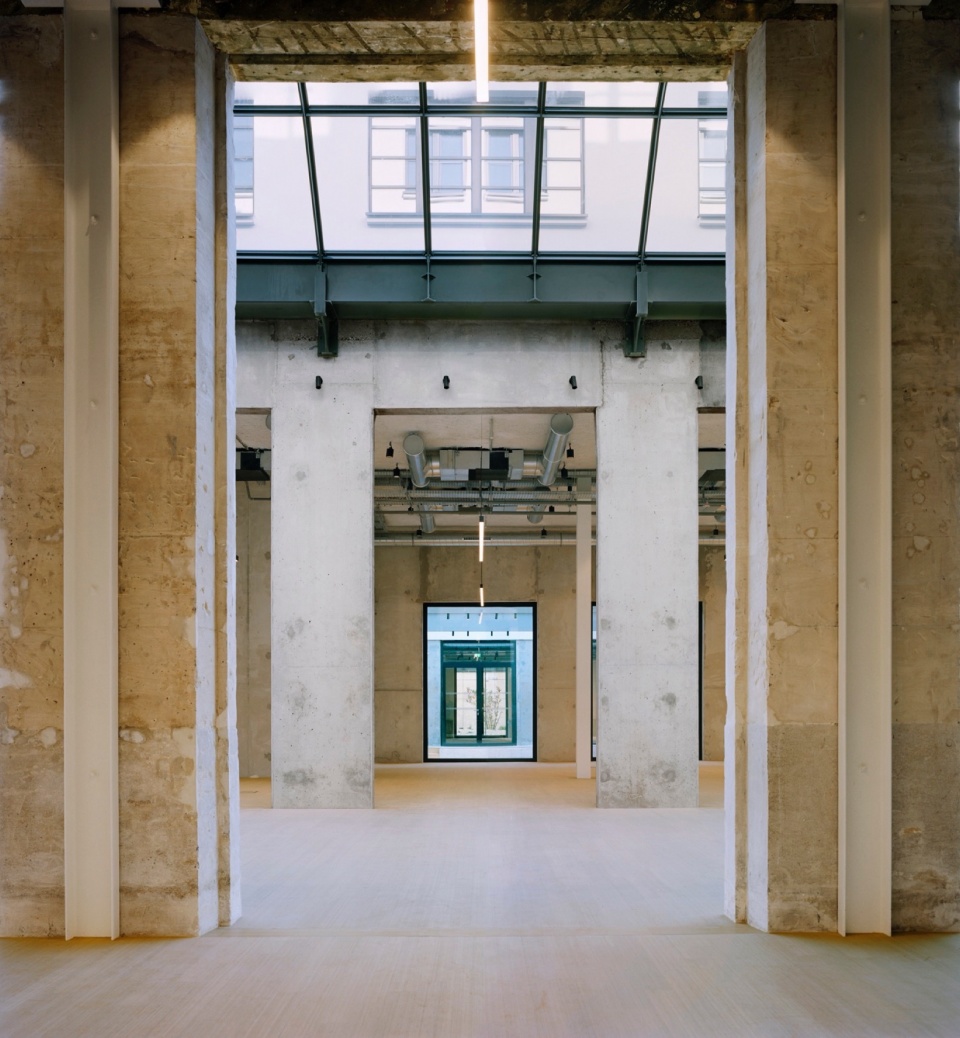
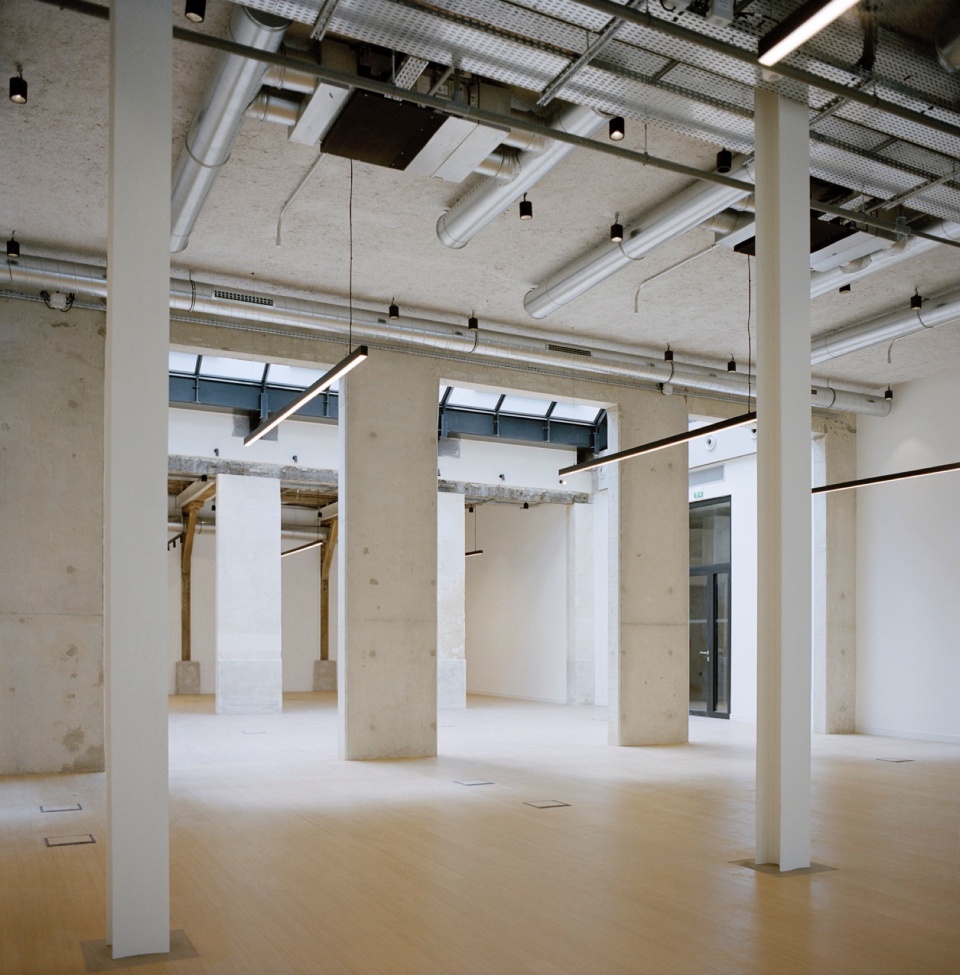
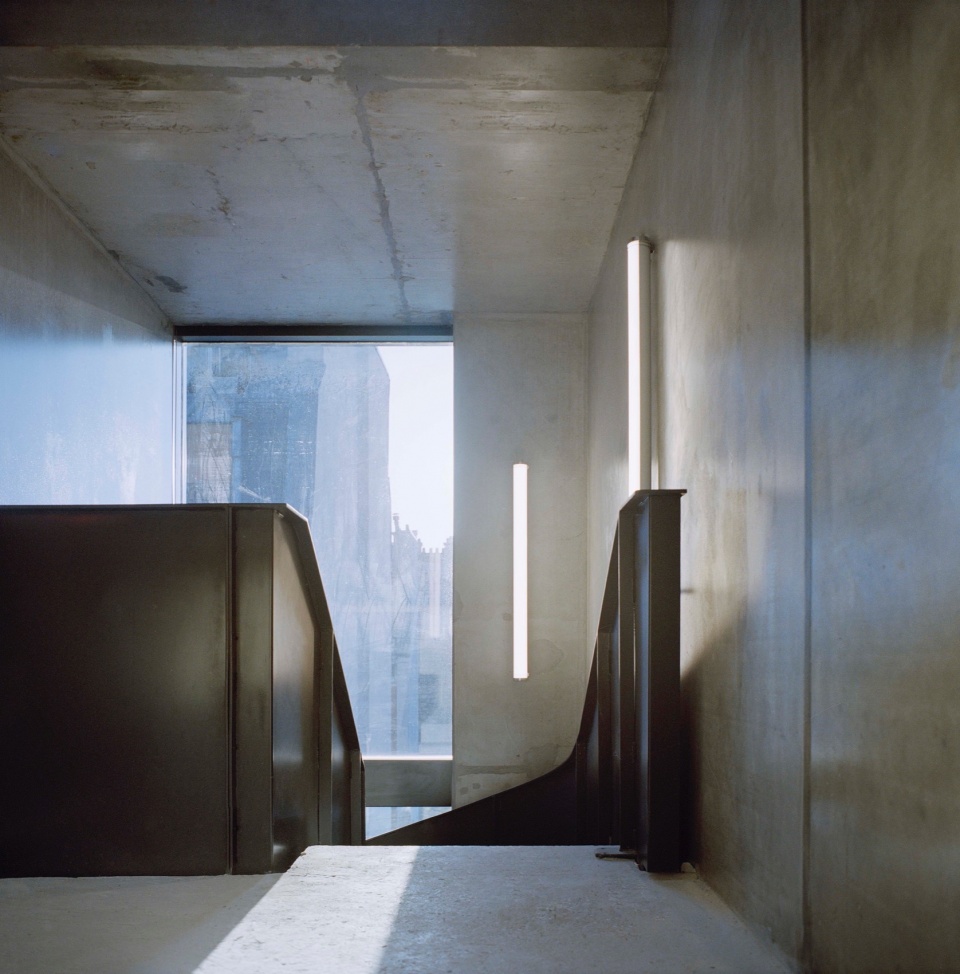
Studio Vincent Eschalier设计的建筑将访客置于真实旅程的核心,穿插着不同空间体验的层次感。玻璃屋顶下的空间、广场、A栋的透明性、馆顶以及第四层屋顶结构下的空间,都是这种独特空间概念的体现。每个地方都呈现了独特的空间理念。然而,所有空间通过重复使用原始的现有材料——尤其是裸露的混凝土、木材和钢铁——紧密相连。
The architecture designed by Studio Vincent Eschalier places visitors at the heart of the real journey, punctuated by a layering of different spatial experiences. The space beneath the glass roofs, the agora, the transparency of Building A, the pavilion and the space under the roof structure on the 4th floor. Each place approaches a unique concept of space. However, all are clearly connected through a repetition of raw, existing materials – notably exposed concrete, wood and steel.
▼木结构,Wood struture
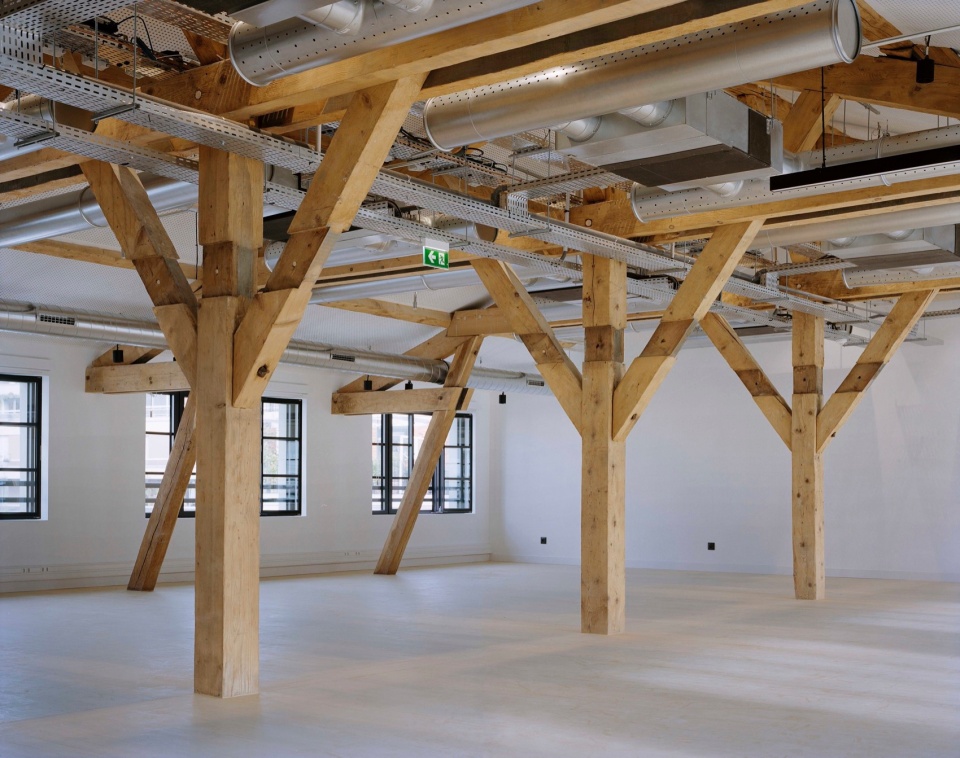
▼干式木材-金属工艺,The dry wood-metal process
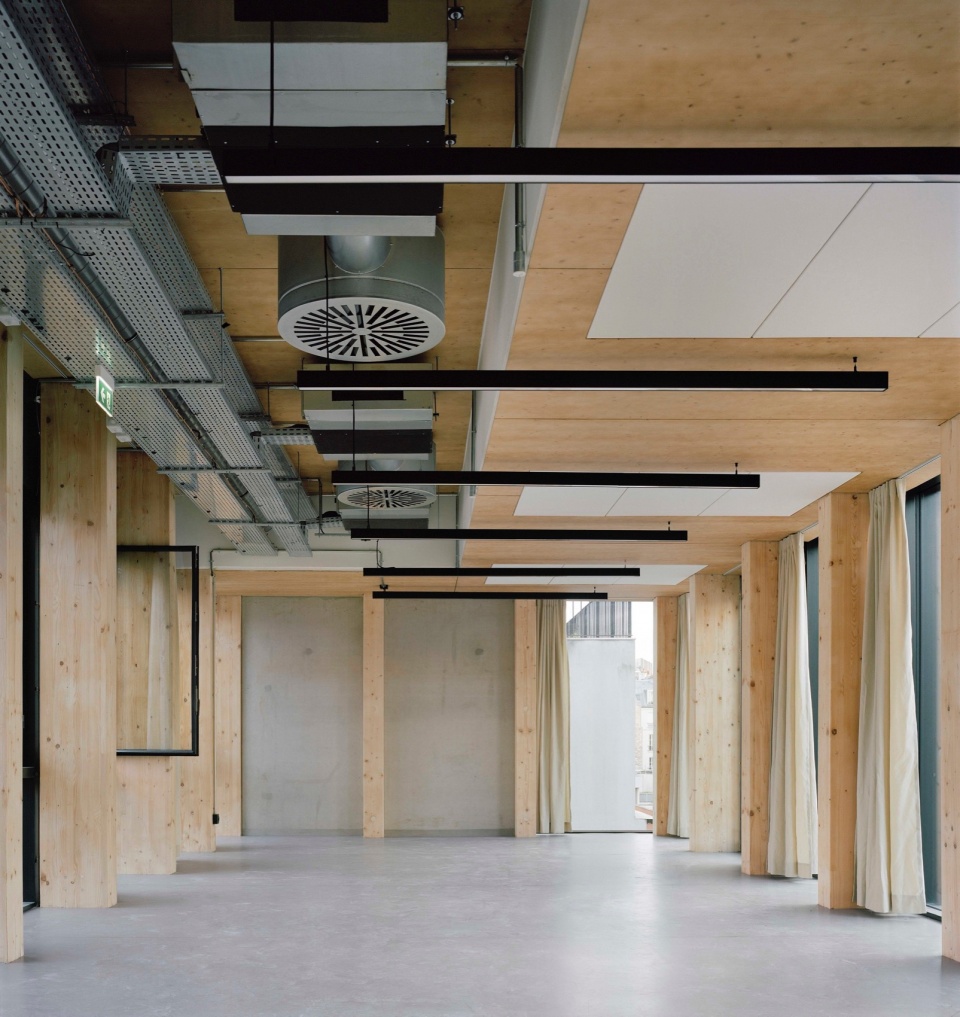
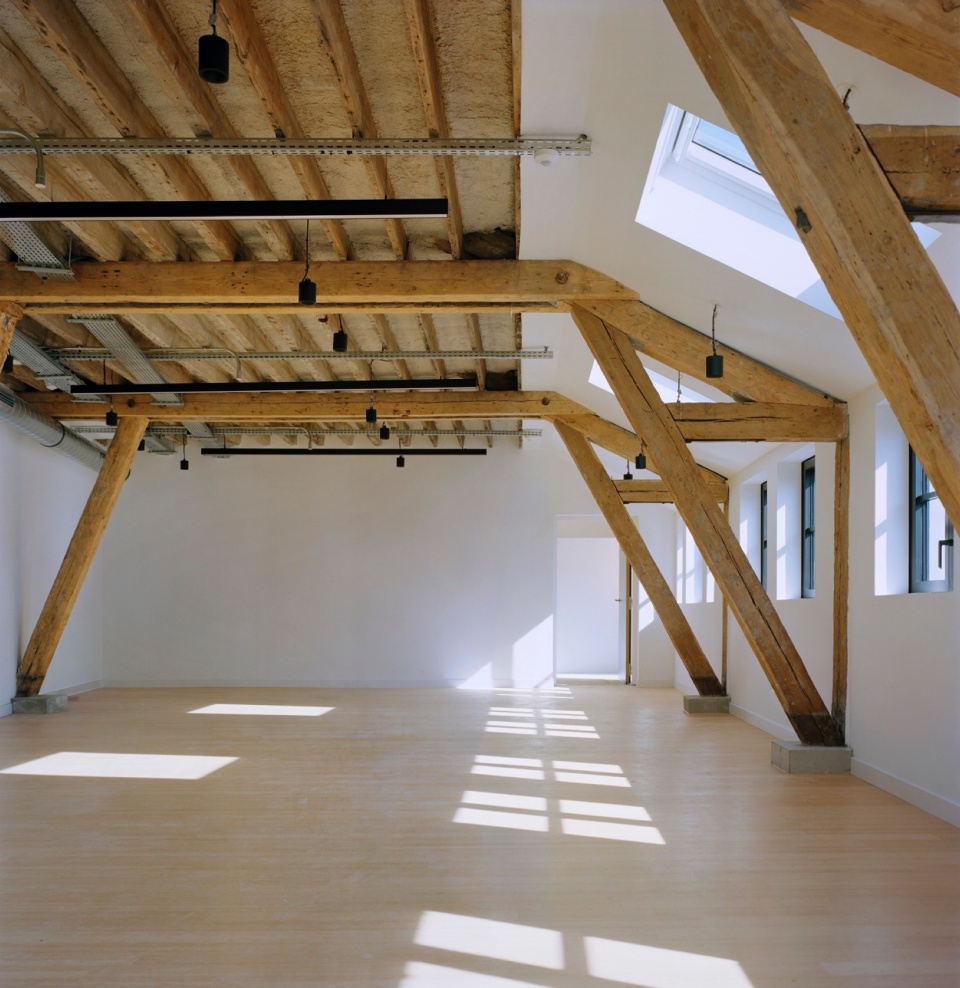
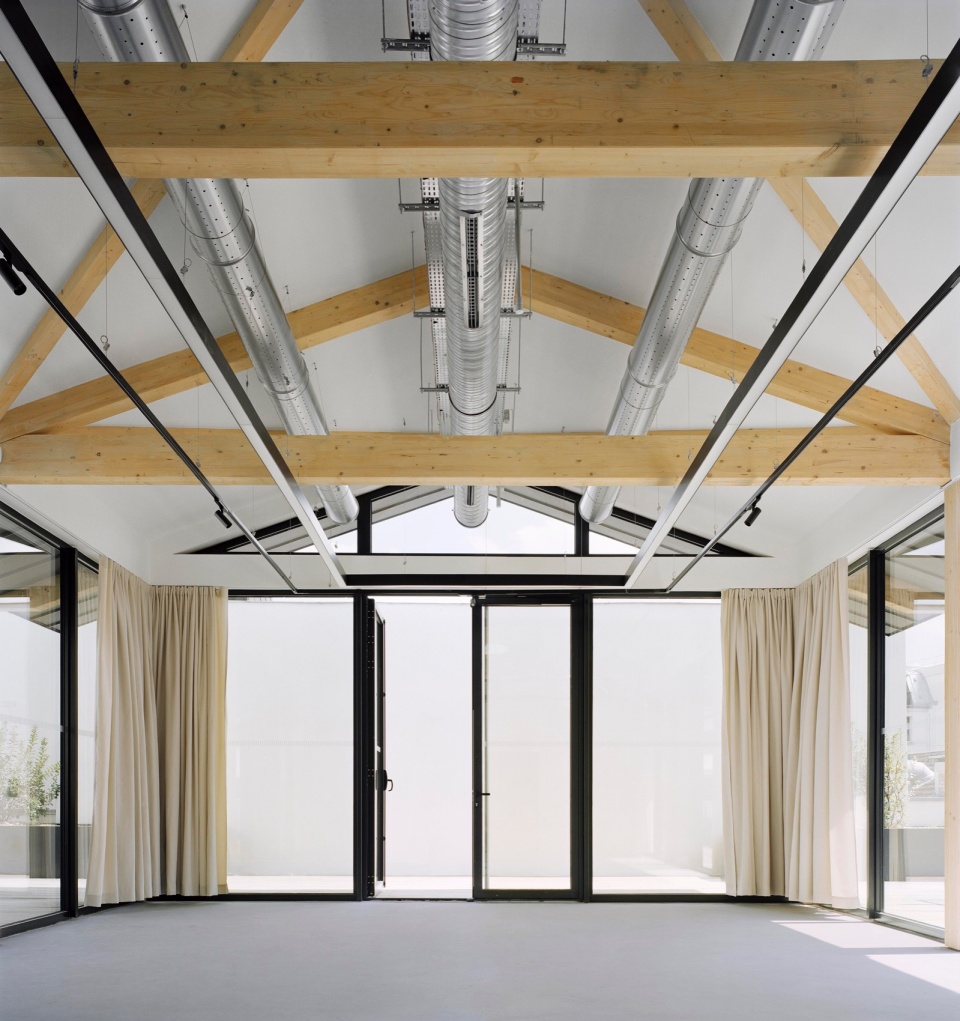
▼木材质近景,Wood structure details
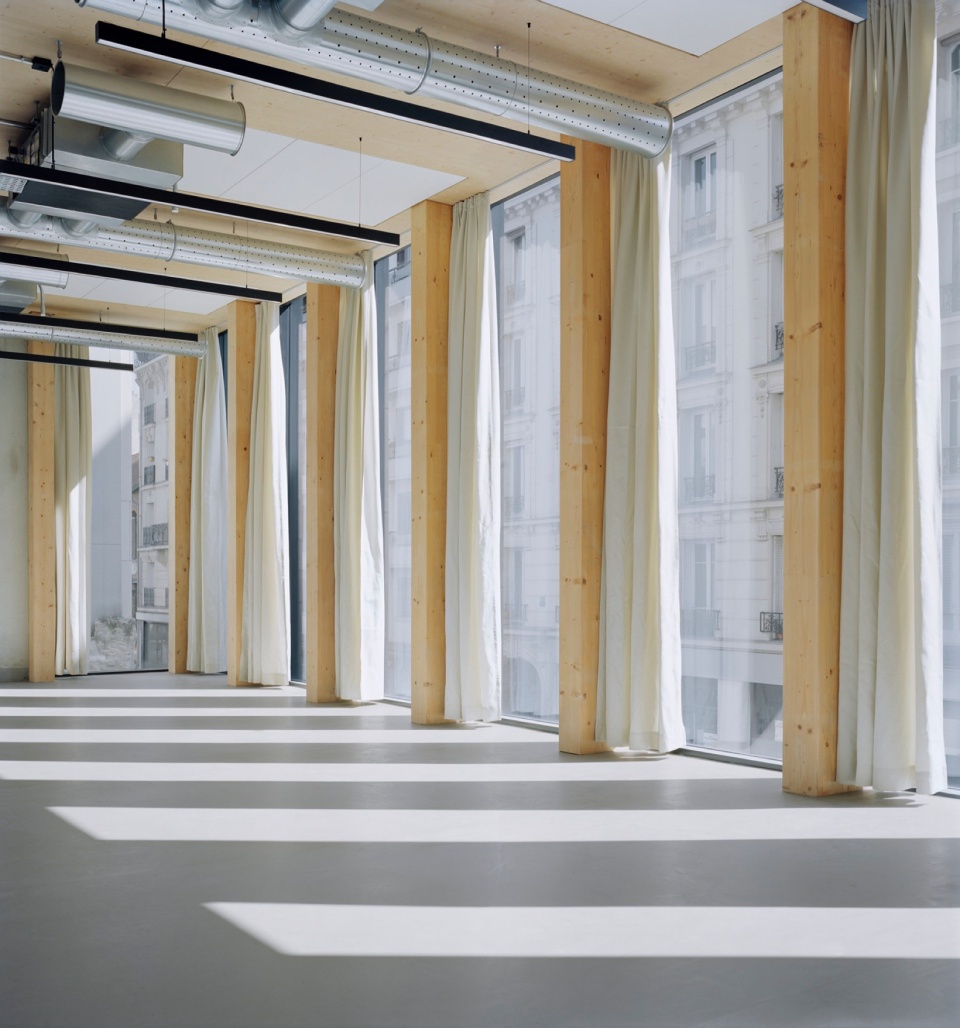
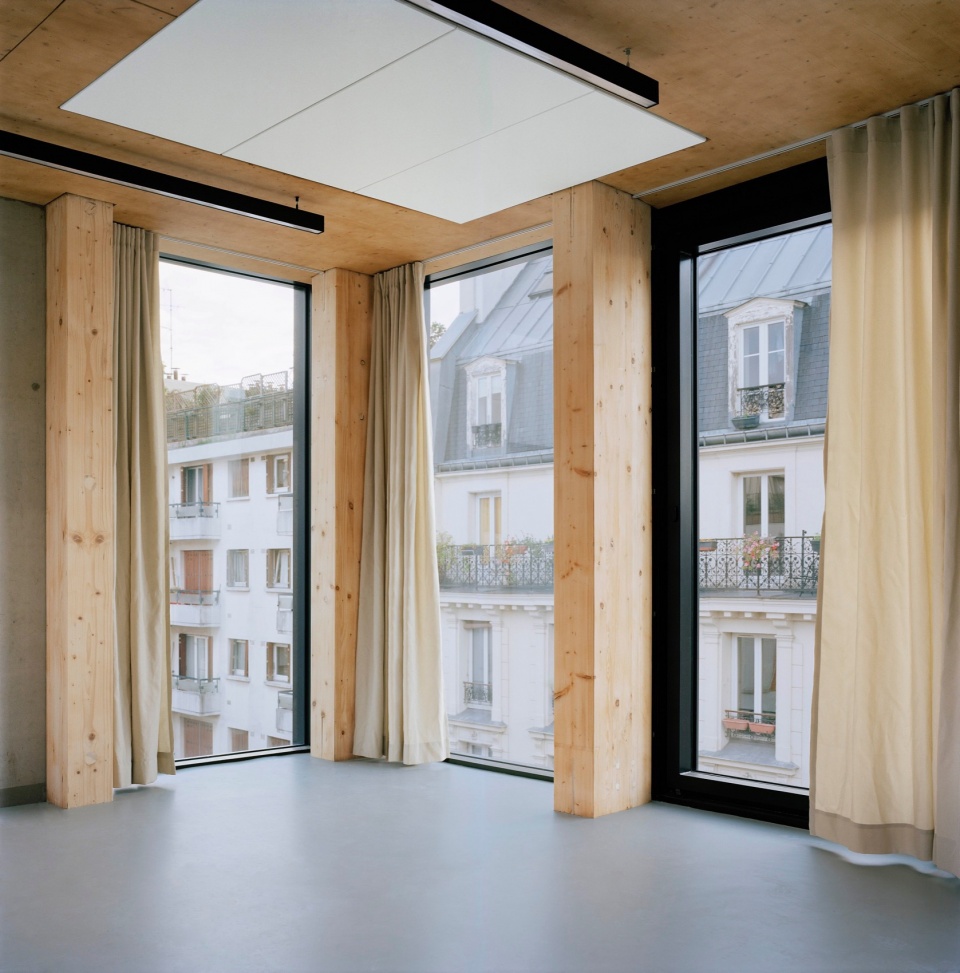
可持续的重构 Sustainable rewriting
现有体量得到了尊重并最大化利用。该项目推广干式木材-金属工艺,并现场再利用材料,以减少碳排放。整个项目从设计之初就着眼于能效,采用了地热能、外部保温、新型门窗和节水设备。
Existing volumes have been respected and maximized. The project promotes the dry wood-metal process, and the reuse of materials on-site to limit the carbon emissions. The entire project has been designed with energy efficiency in mind, using geothermal energy, external insulation, new joinery and hydro-economy equipment.
▼其他室内材质,Other material details
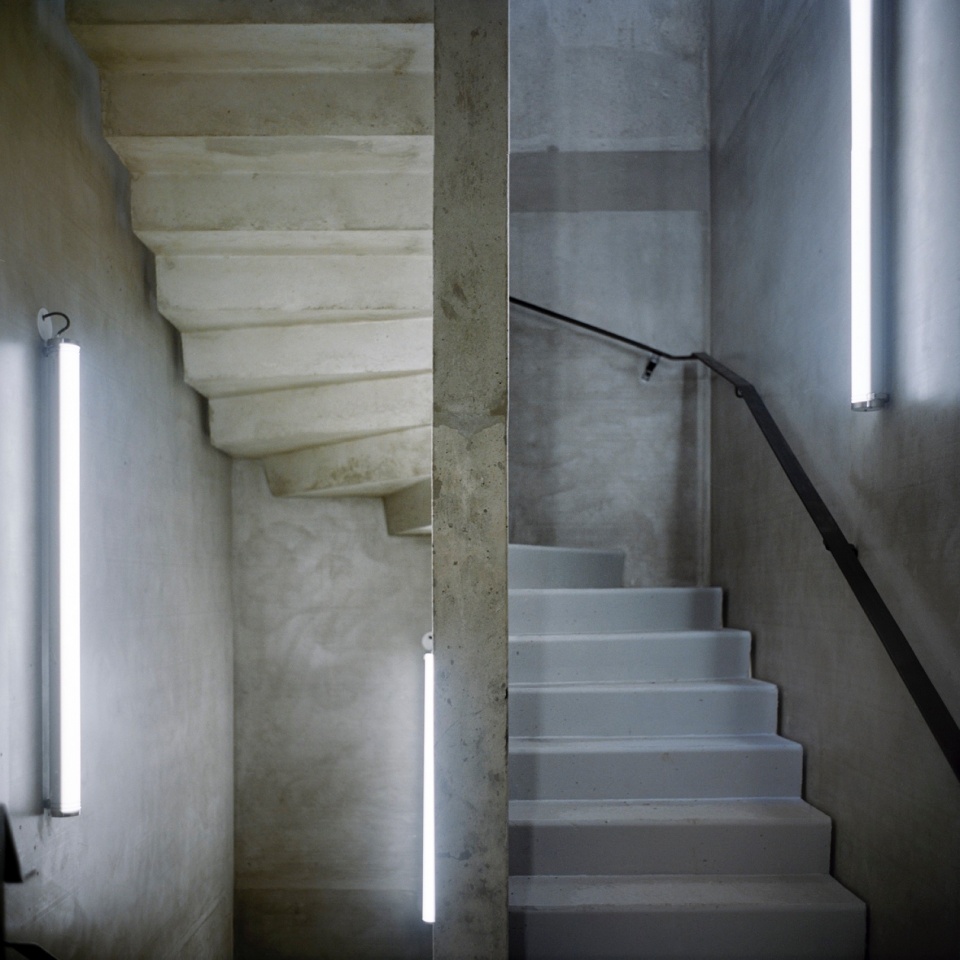
▼混凝土楼梯,Stairs
绿色表面和开放地面无处不在,有助于调节区域的热量并促进生物多样性。在传统与冒险之间,Vincent Eschalier建筑与设计工作室雕塑出强大的空间,使用粗犷的语言和精致的细节。工作室于2009年在巴黎成立,以其创作的复杂性和大胆性脱颖而出。多学科团队的工作既受高标准的指导,又充满了创作超越时间的雄心。从私人飞机的内部设计到现代公寓和定制工作空间,再到回收铝制门把手的设计,Studio Vincent Eschalier的创作跨越多个领域,主要包括建筑、室内建筑和设计。
The omnipresence of green surfaces and the contribution of open ground help to regulate the heat of the area and promote biodiversity. Between tradition and risk-taking, the Vincent Eschalier architecture and design studio sculpts strong spaces, with raw language and meticulous detail. Founded in Paris in 2009, the studio stands out for the complexity and boldness of its creations. The multi-disciplinary team’s work is guided as much by high standards as by the ambition to produce timeless creations. From the interior of a private jet to contemporary apartments and customized workspaces, not forgetting the creation of recycled aluminum door handles, Studio Vincent Eschalier’s creations cross several disciplines, the main ones being architecture, interior architecture and design.
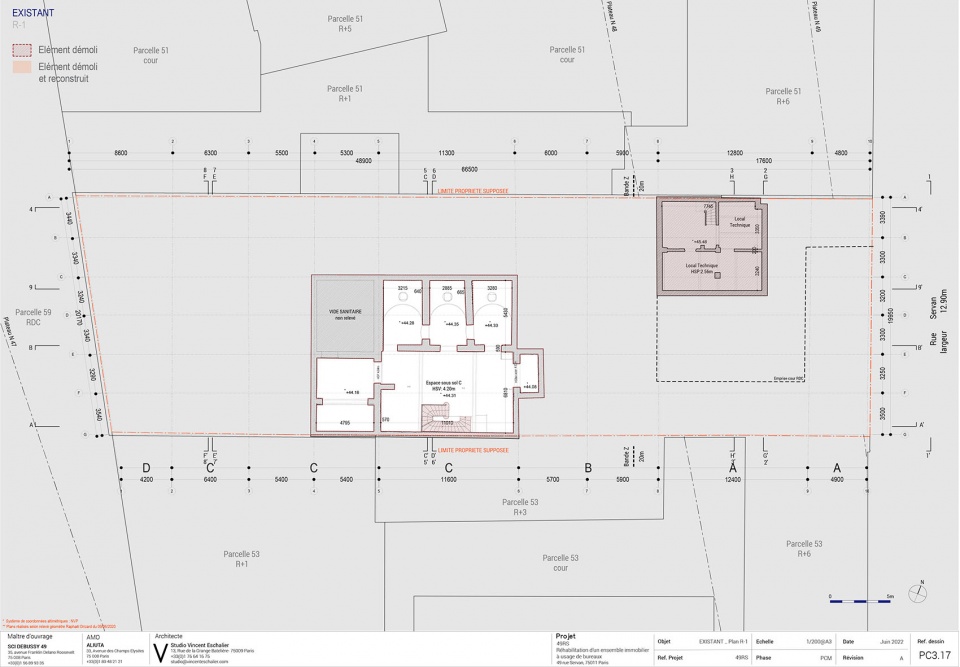
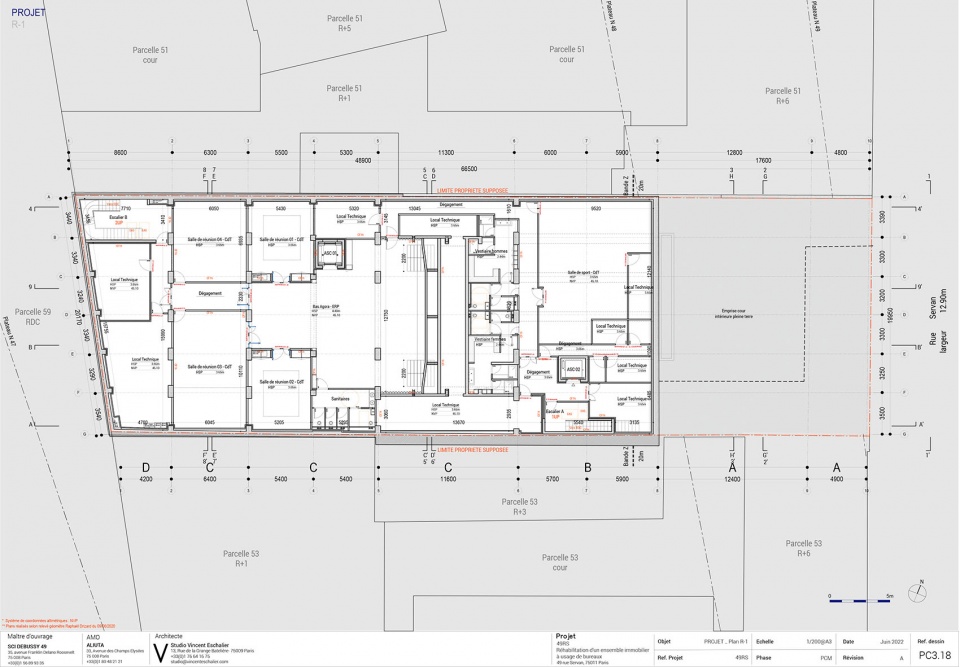
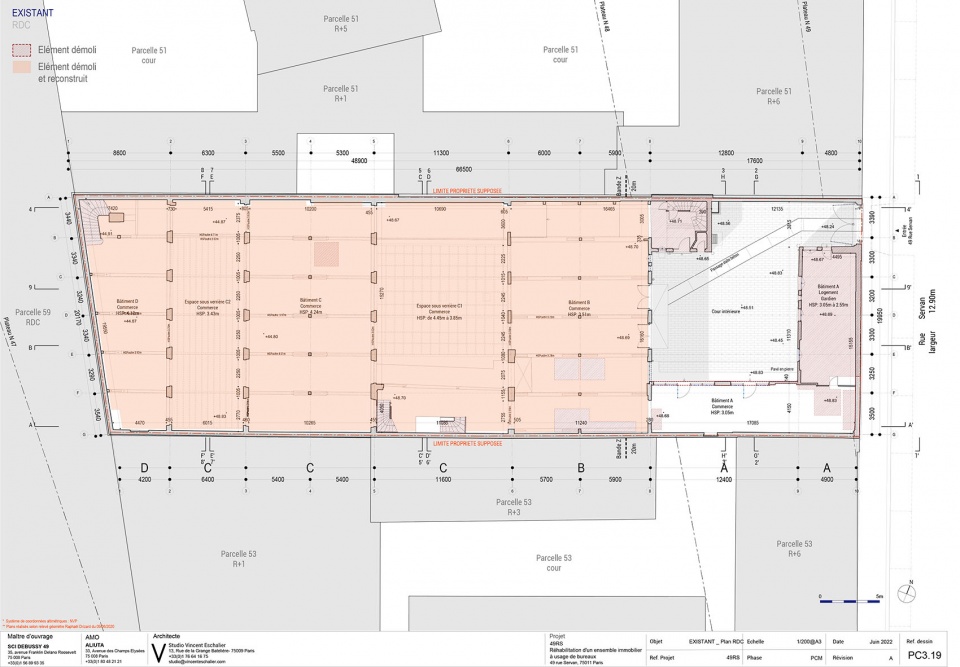
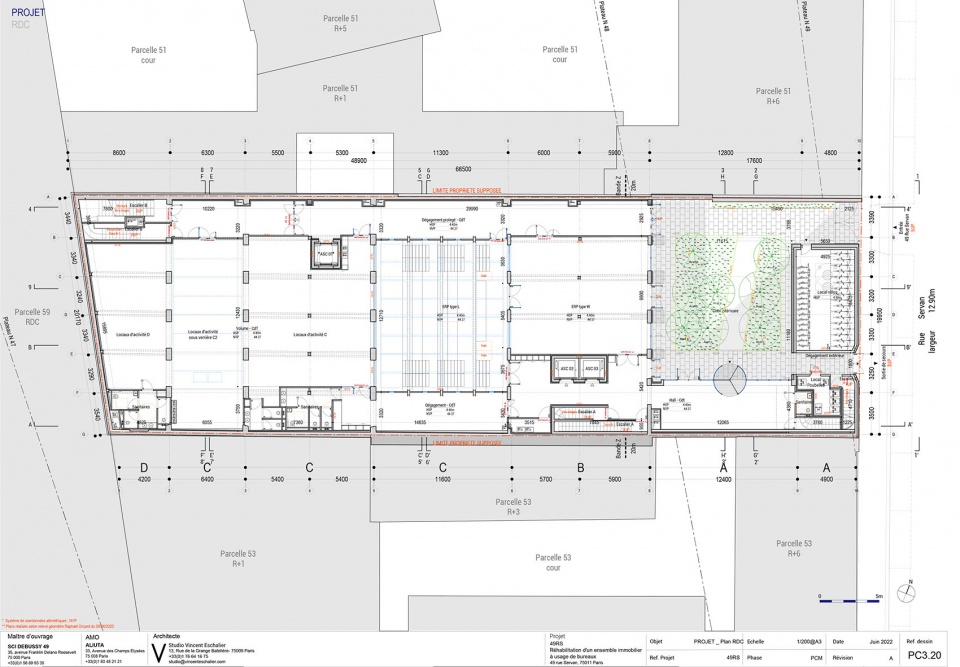
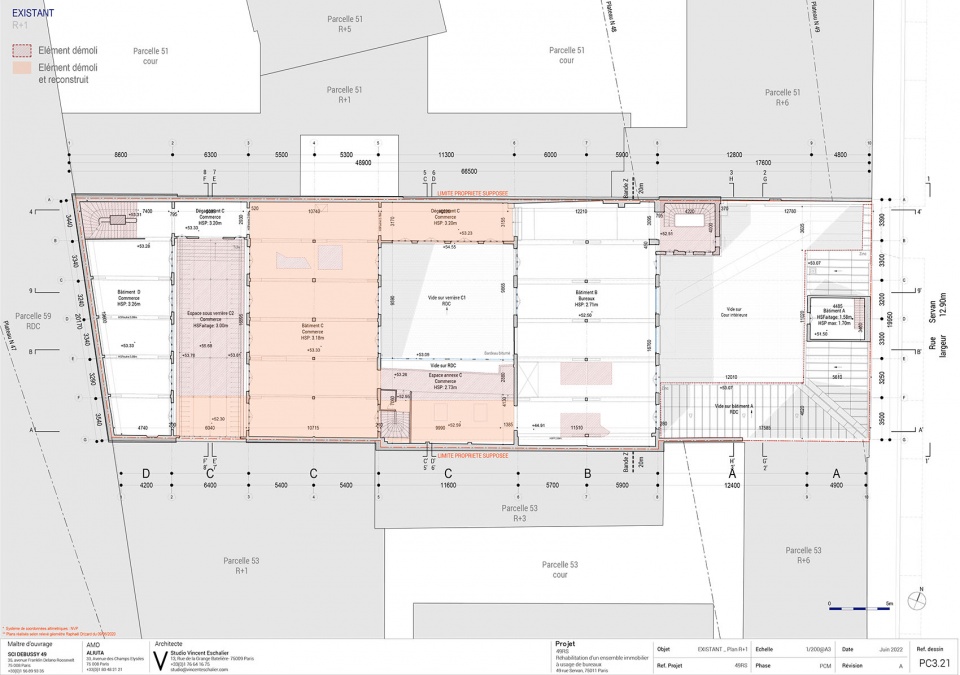
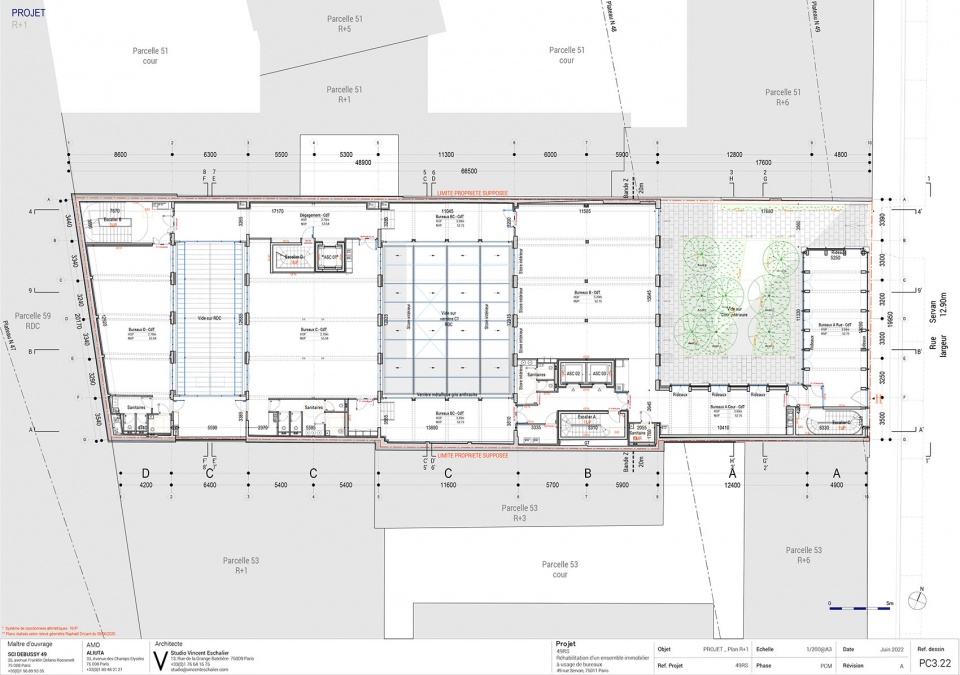
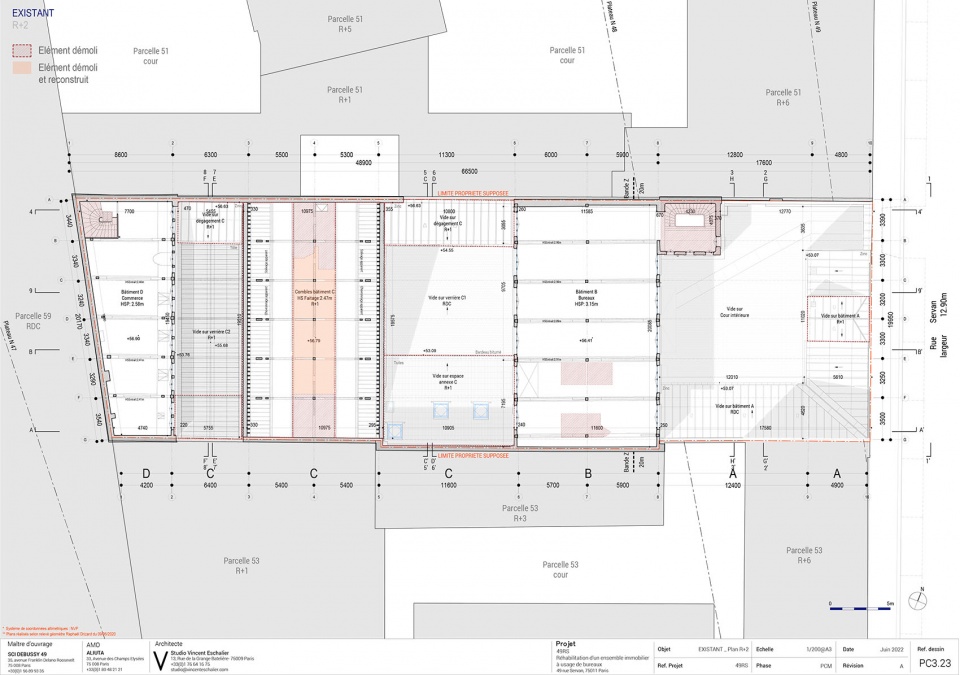
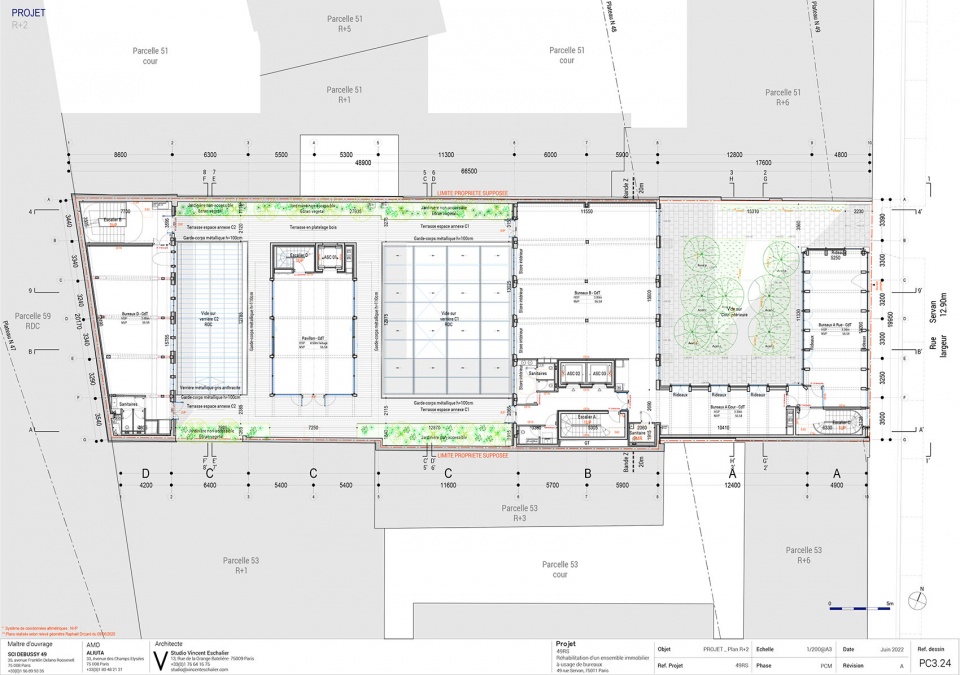
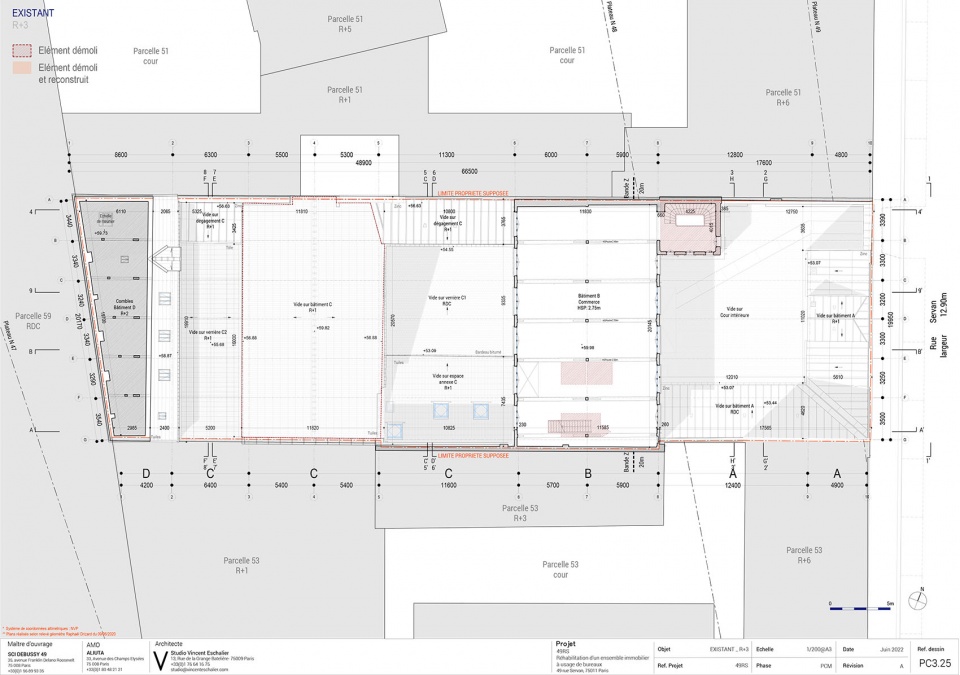
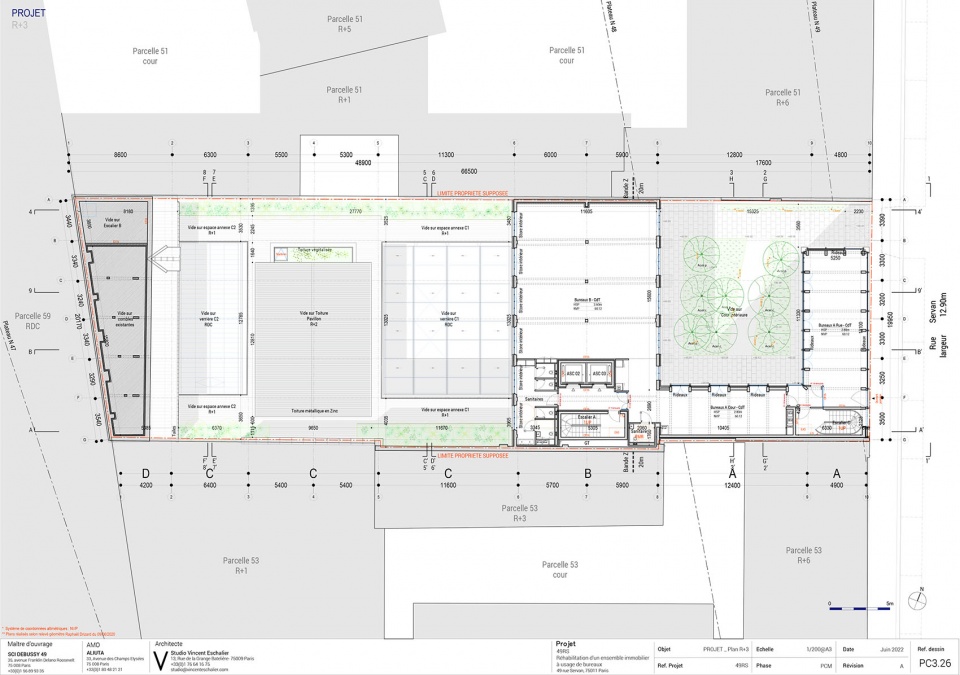
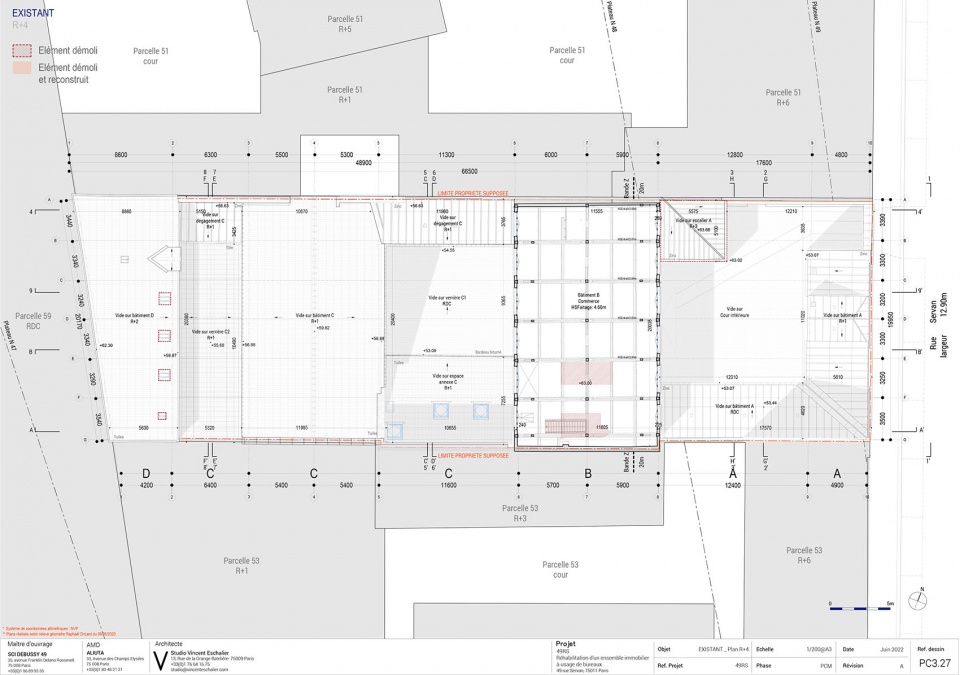
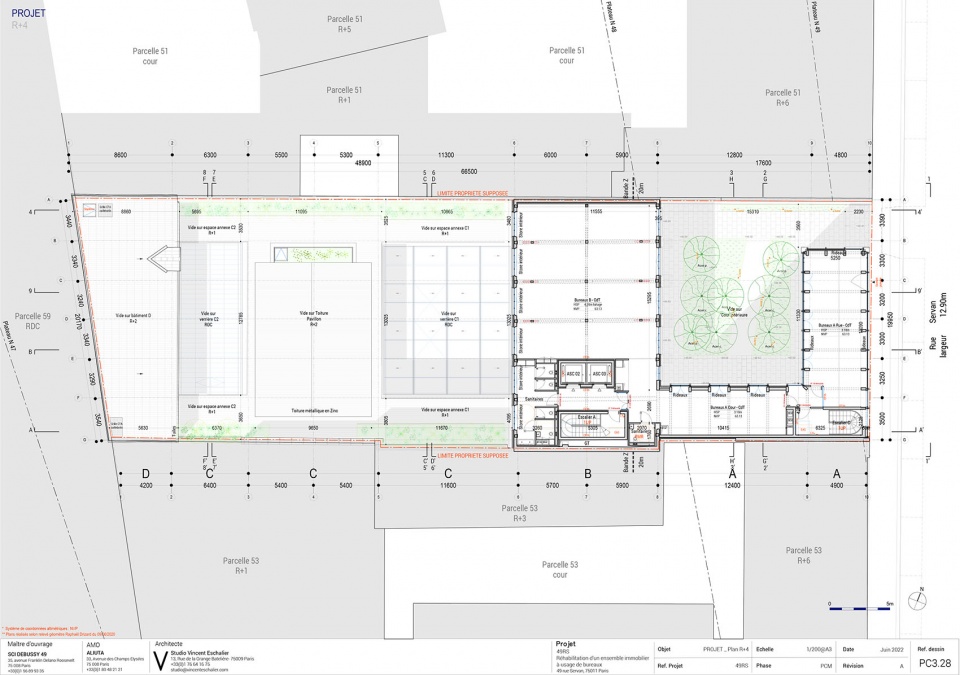
▼施工图,construction drawings
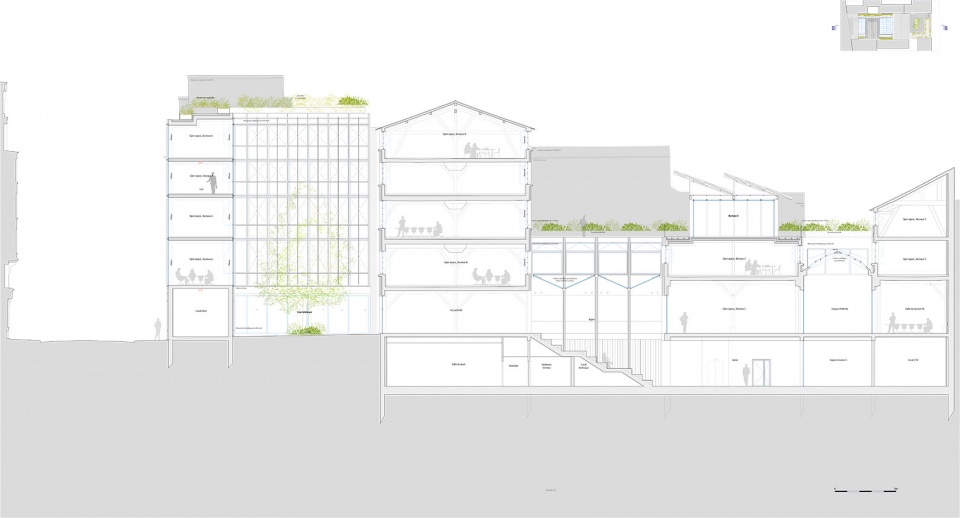
▼剖面图,section
LOCATION: FRANCE – PARIS
DESIGNER: STUDIO VINCENT ESCHALIER
PROJECT YEAR: 2025
PHOTOS BY AXEL DAHL