北京第一实验学校 / EDUCATION DESIGN INTERNATIONAL INC + 中国院 + FACILITY ASIA
项目概述 / 学校愿景Project Overview / Campus Vision
与北京十一学校合作,由国际教育设计公司设计的北京第一实验学校,是中国未来学校的典范。该校植根于第四次工业革命的理念,倡导“实践出真知”的教育哲学—将学生置于学习旅程的中心。
The Beijing Navigation School, designed by Education Design International in collaboration with BNDS, stands as a prototype for the schools of the future in China. Rooted in the principles of the Fourth Industrial Revolution, the campus champions “Mastery Through Practice” — a philosophy that places students at the center of their learning journey.
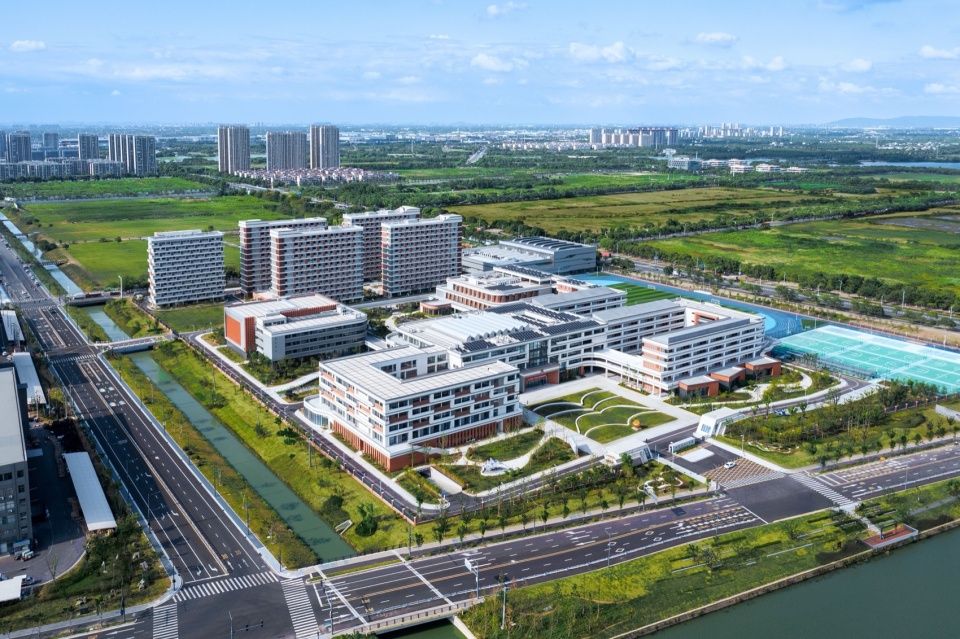
▼校园概览,overview of the school
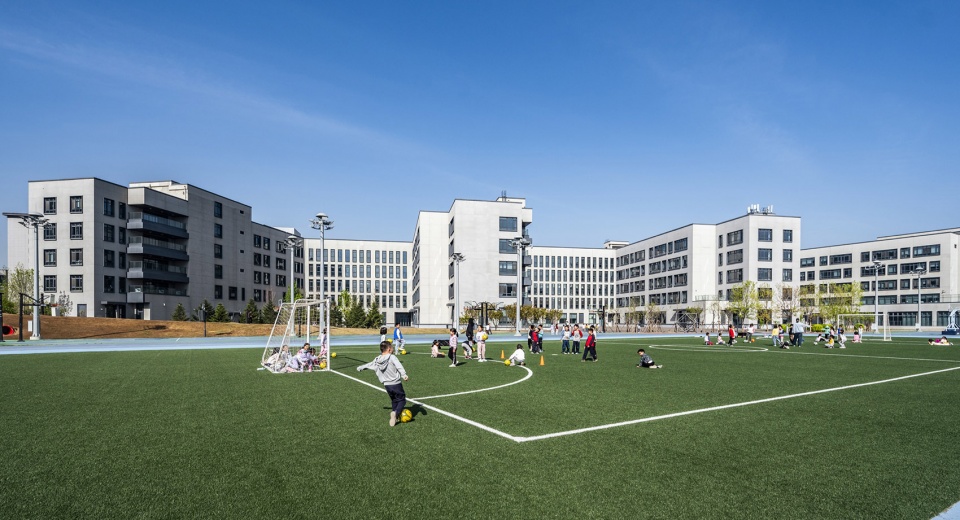
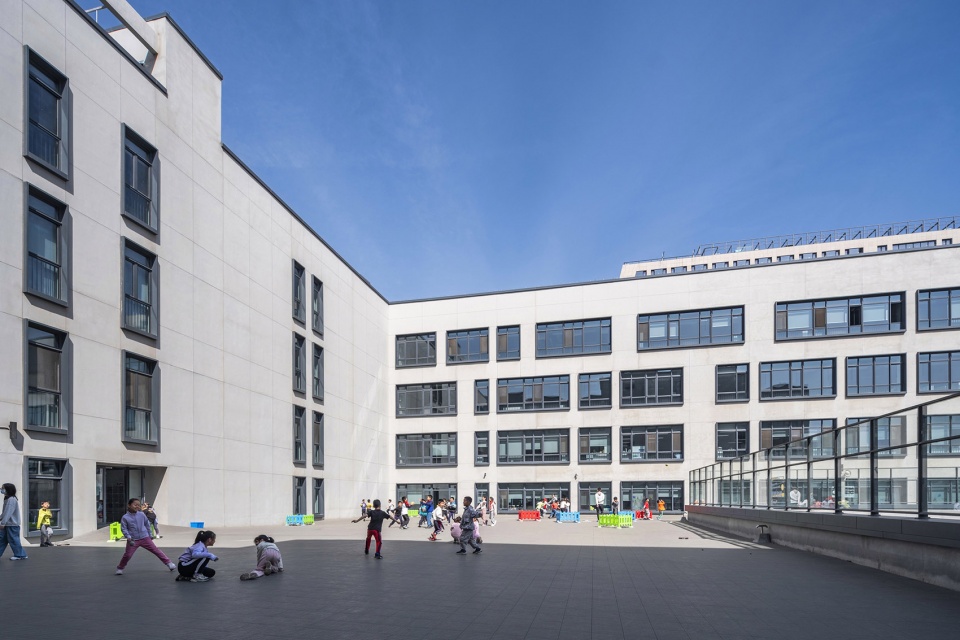
校园整合了“学习社区”与“学术学院”,打破了传统教室的布局。这些空间具备适应性、科技融合性和情感支持性,学生可在此自主地、有目的地进行头脑风暴、探索创新、原型制作和成果展示。
The campus integrates Learning Communities and Academies that break away from traditional classroom layouts. These environments offer adaptable, tech-integrated, and emotionally supportive spaces where students can brainstorm, explore, prototype, and present their ideas with autonomy and purpose.
▼校园概览,overview of the school
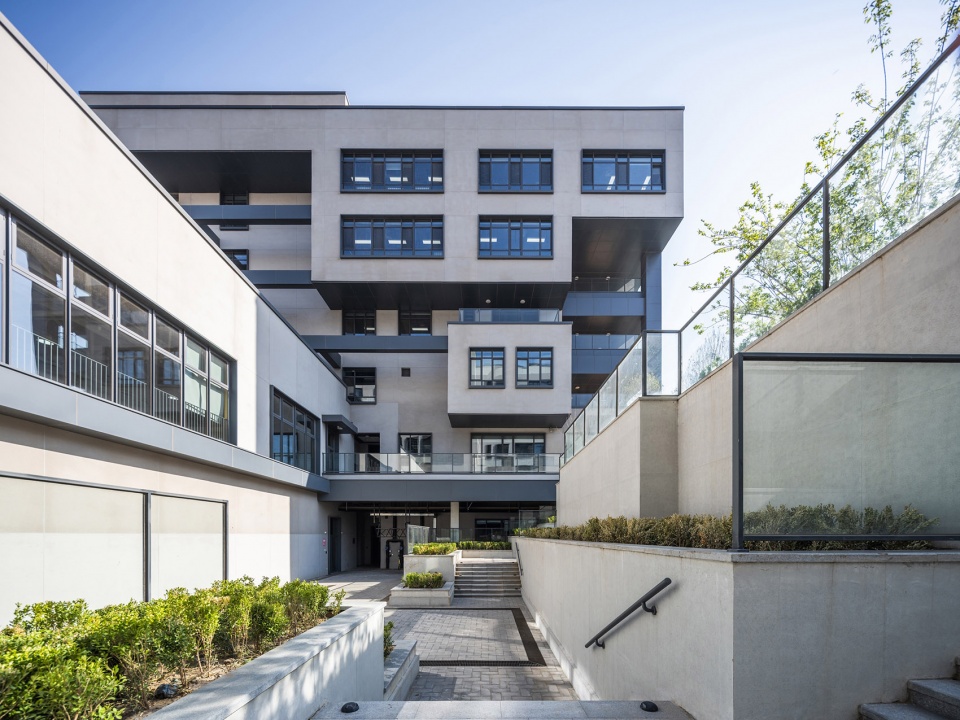
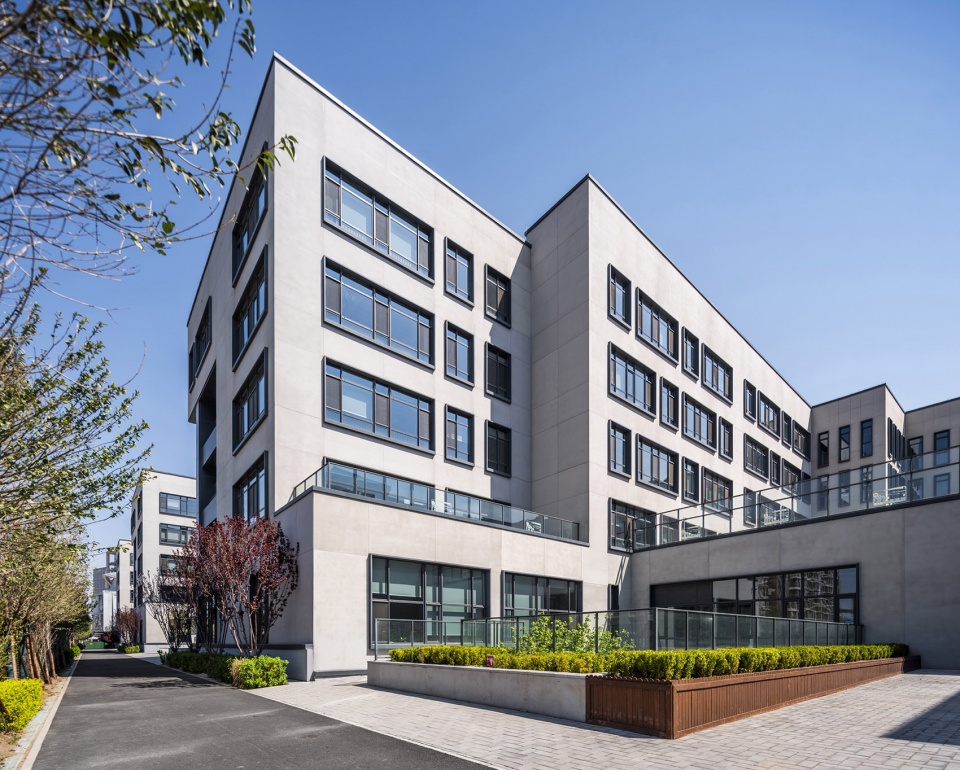
学校位于通州,占地7.6公顷,建筑面积逾96,000平方米,可容纳2,880名学生和300余名教职工。它被构想为教育变革的旗舰项目,为全国学校提供可推广的、灵活的设计解决方案。
With over 96,000 sqm of built-up area spread across a 7.6-hectare site in Tongzhou, the school supports 2,880 students and over 300 staff. It has been envisioned as a flagship for educational transformation—modeling scalable, flexible design solutions for schools across the country.
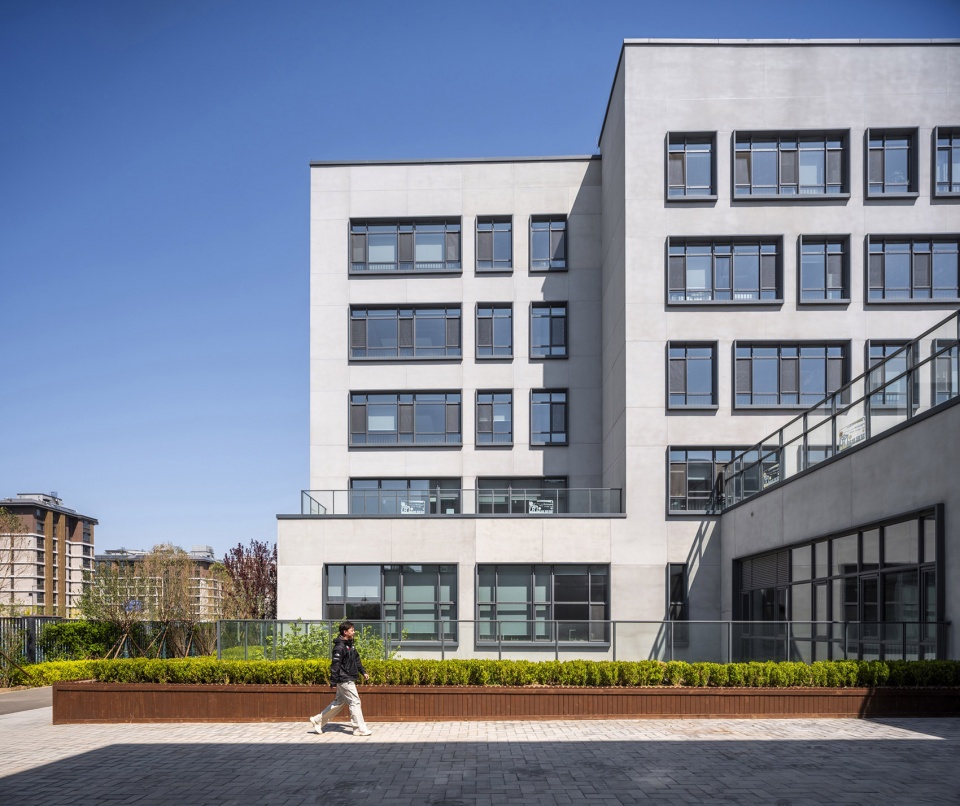
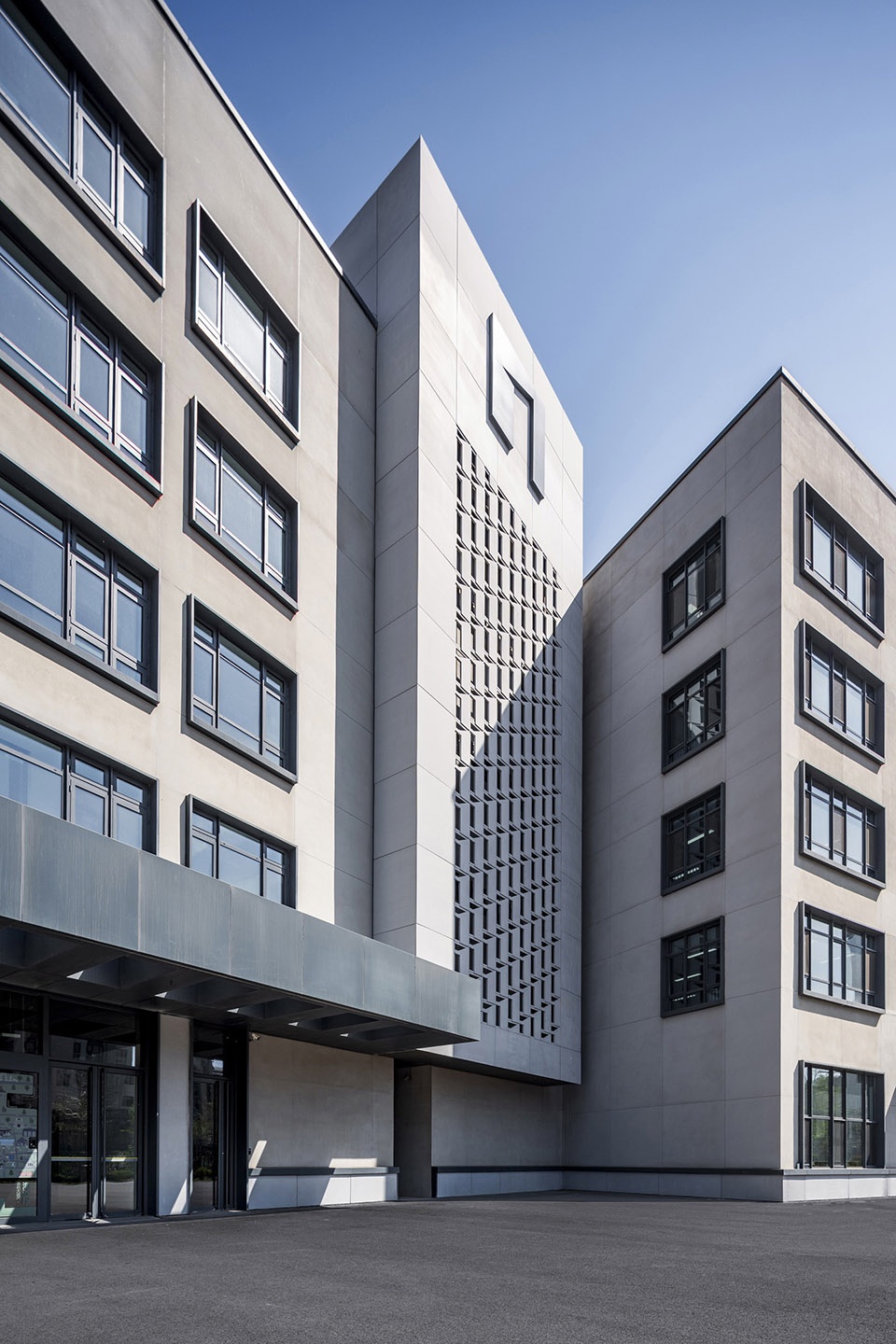
▼建筑外观,exterior of the building
学习社区与创新的教学方法Learning Communities & Innovative Pedagogy
学校的核心是“学习社区”—它是一个模块化、适应性强的空间,摆脱了 “一刀切” 的传统教室模式。每个年级划分为多个群组(每个学习社区 80 名学生),营造亲密协作的学习环境。
At the core of the school are its Learning Communities—modular, adaptive environments that move beyond the “one-size-fits-all” classroom. Each grade is divided into smaller cohorts (80 students per Learning Community), fostering intimate, collaborative learning environments.
▼建筑中庭,atrium of the building
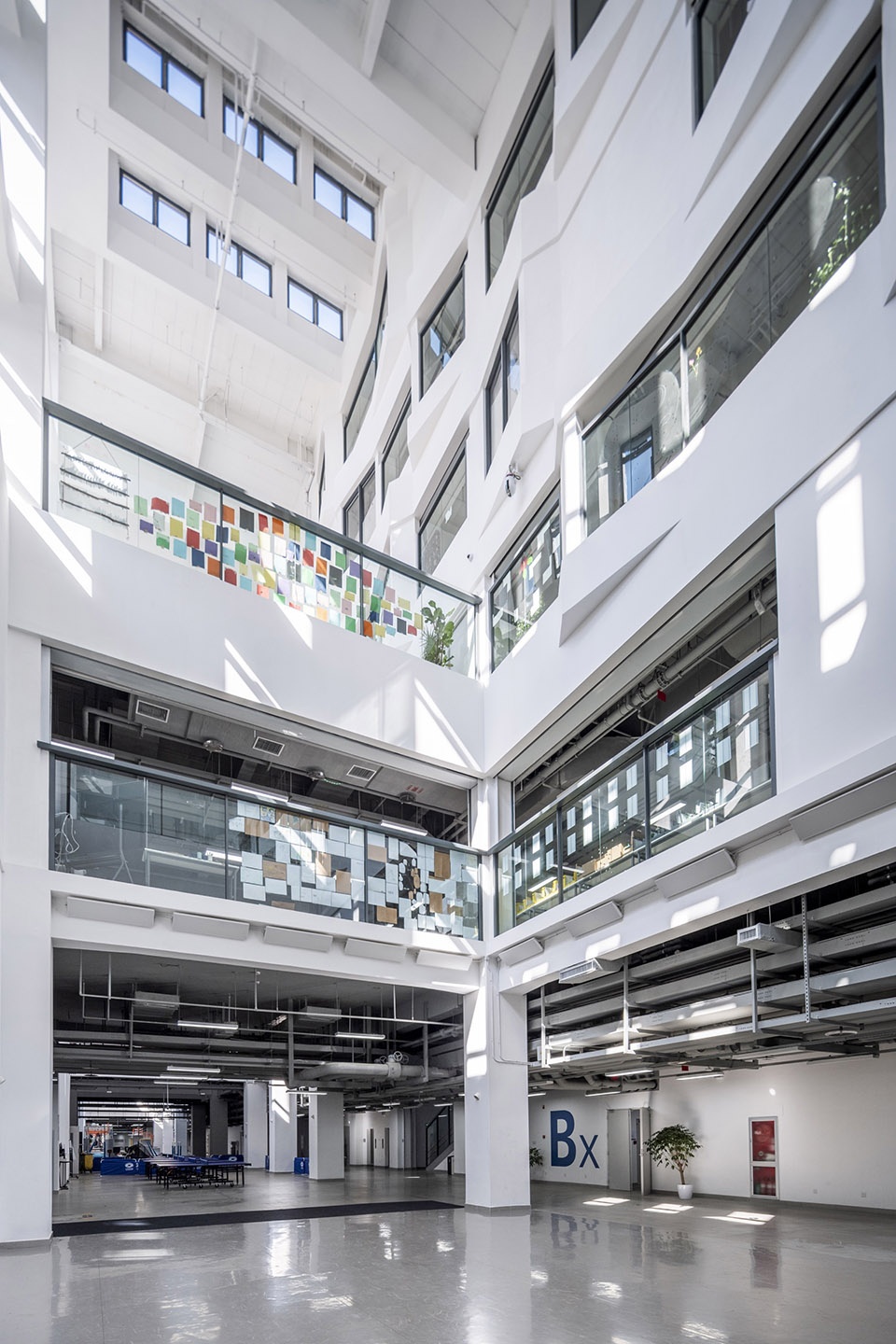
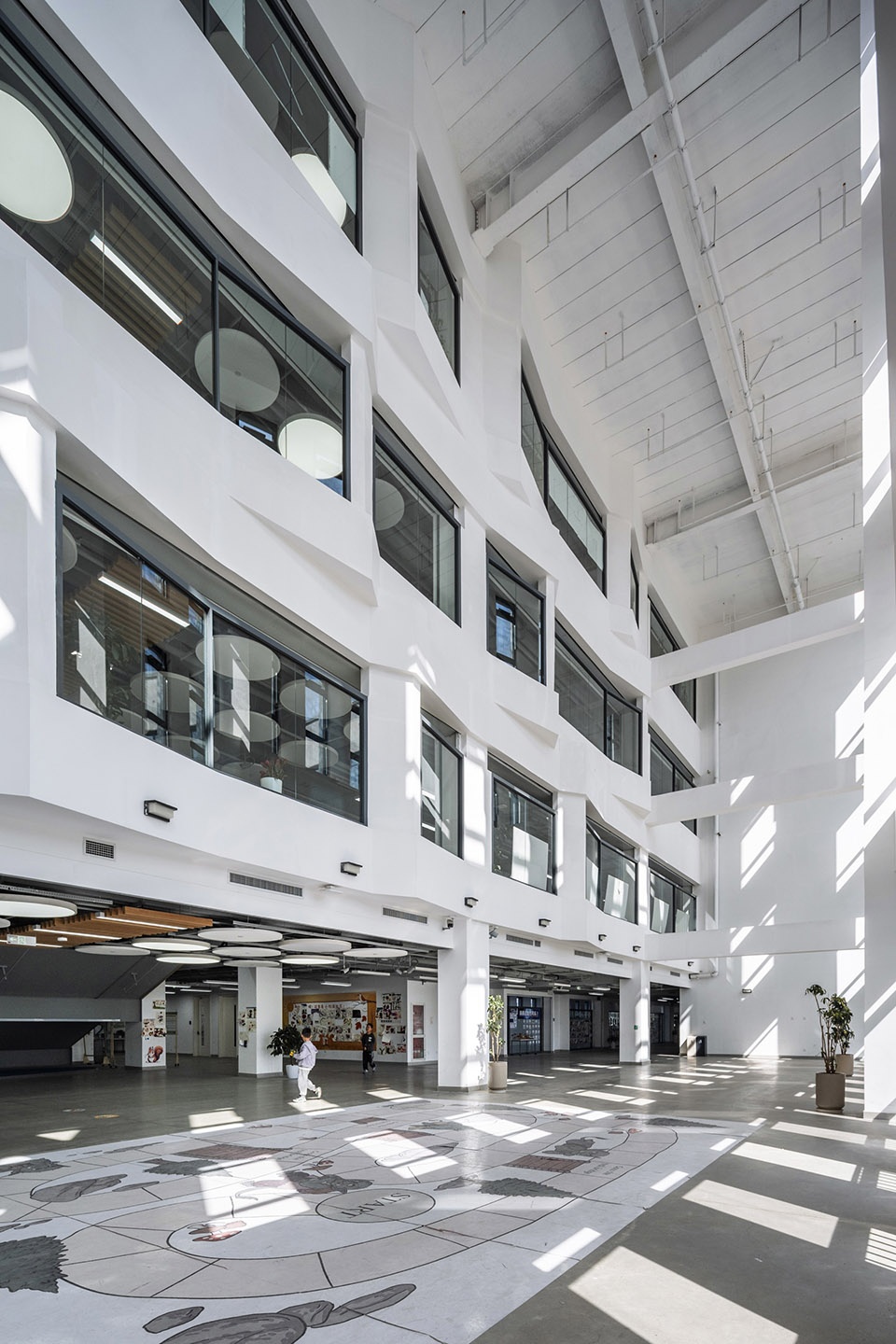
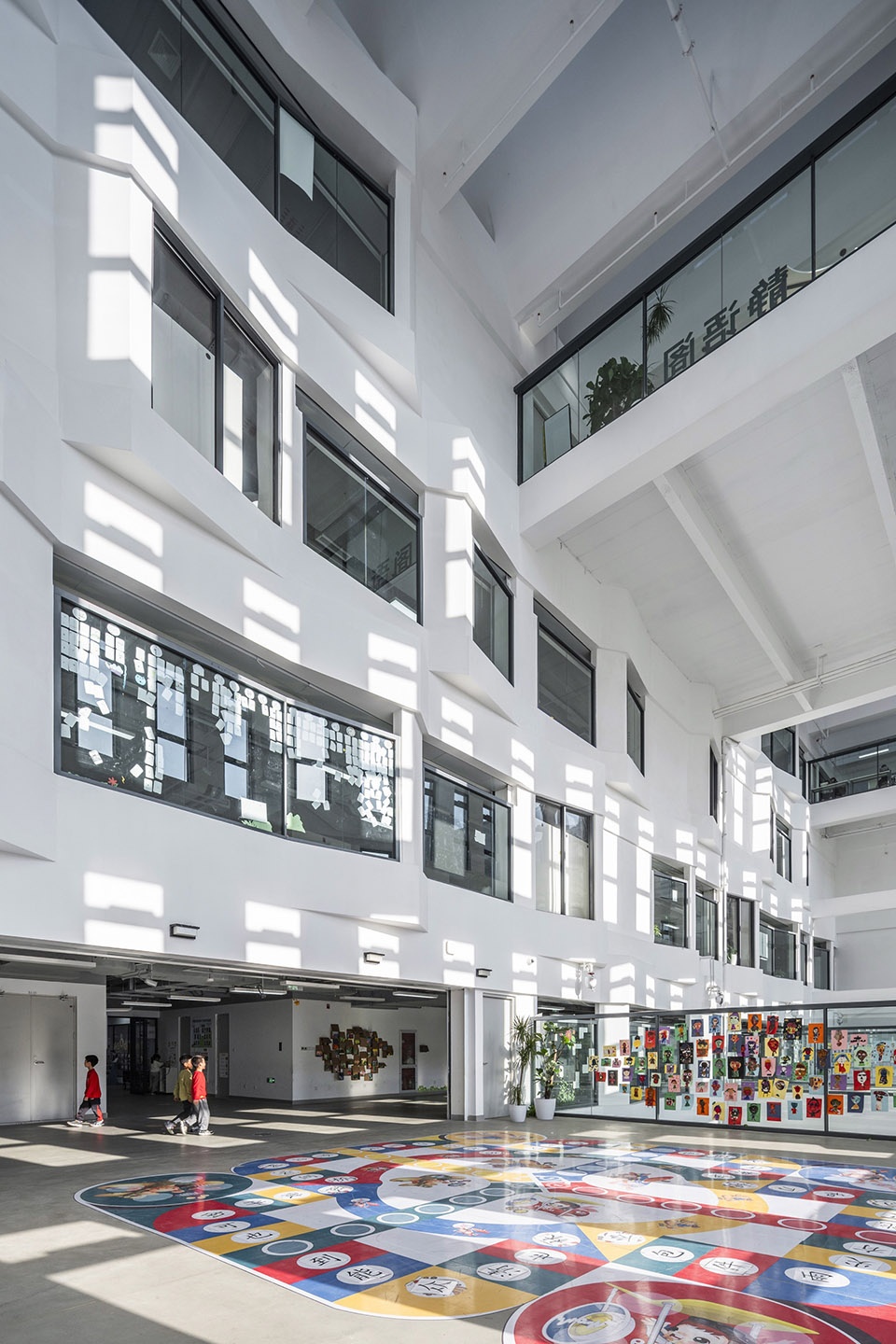
这些社区支持多种学习模式,涵盖安静阅读区、项目实验室、小组讨论区和科技赋能的创客空间,鼓励探索、创造力和跨学科探索。
These communities are designed to support a range of learning modalities—from quiet reading zones and project labs to group discussion areas and tech-enabled maker spaces. They encourage inquiry, creativity, and interdisciplinary exploration.
▼鼓励探索、创造力和跨学科探索的空间,encourage inquiry, creativity, and interdisciplinary exploration
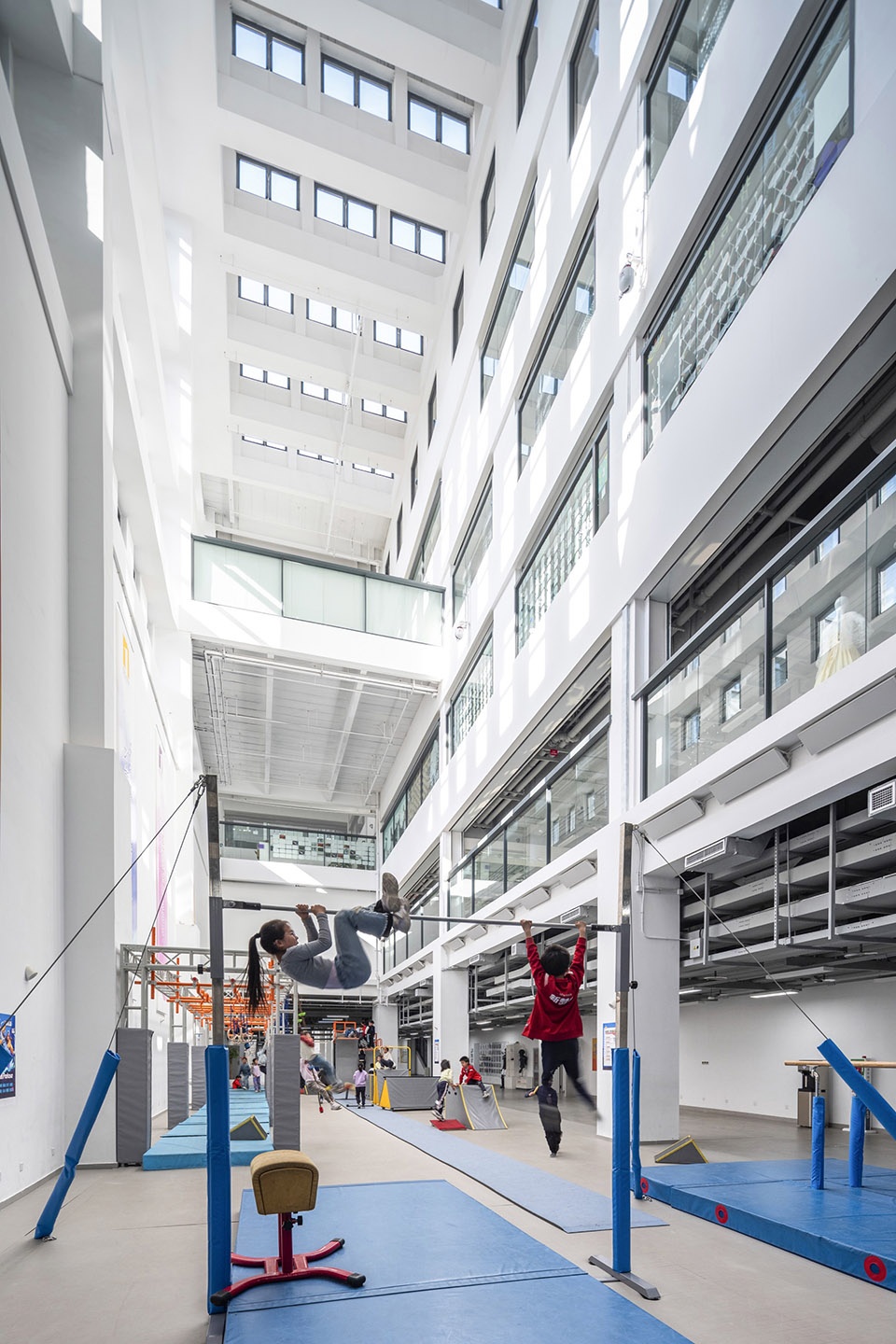
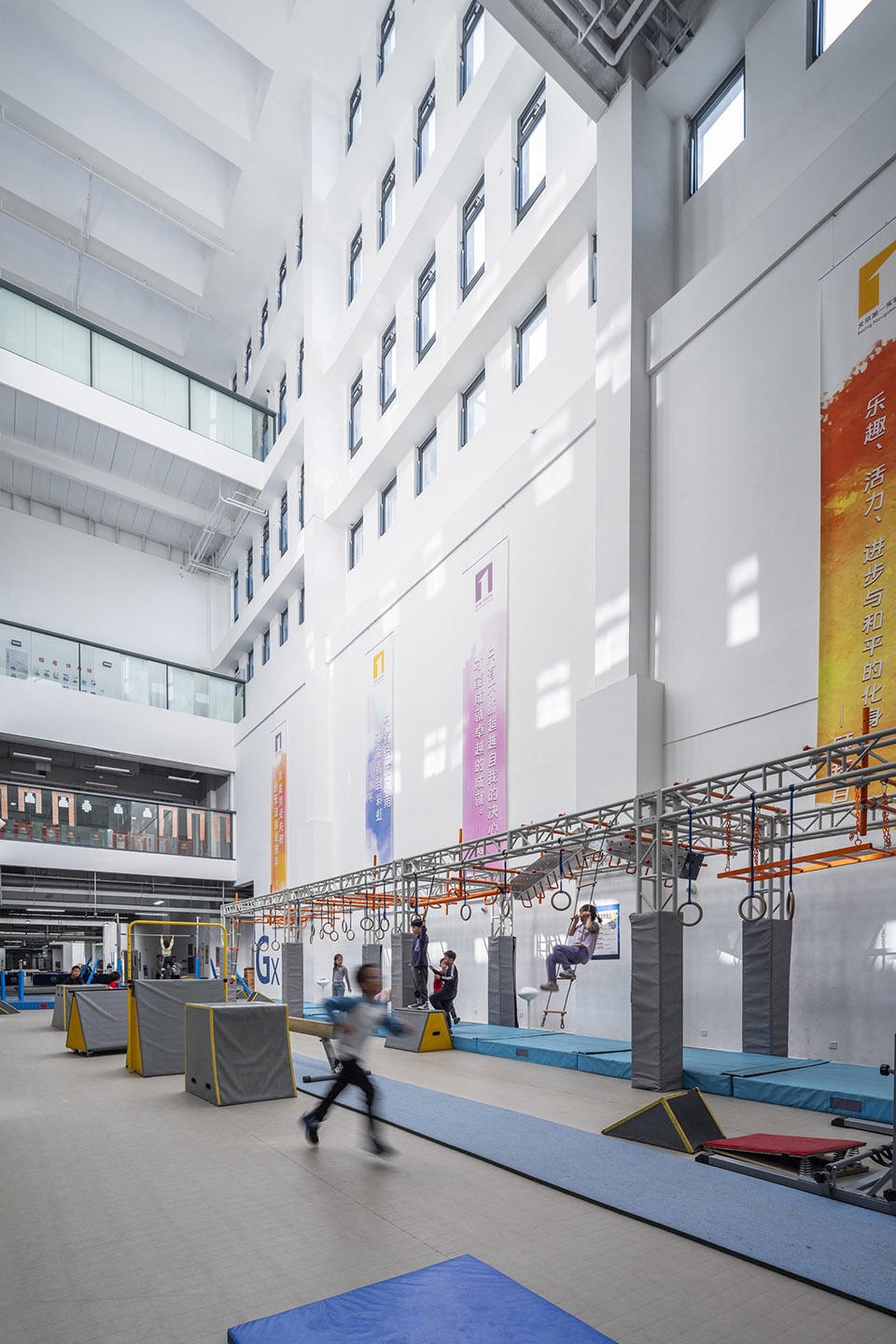
STEM、艺术、人文和传播学等专业学院进一步深化学习体验,让学生通过项目式的实践学习,探索复杂的现实世界课题。
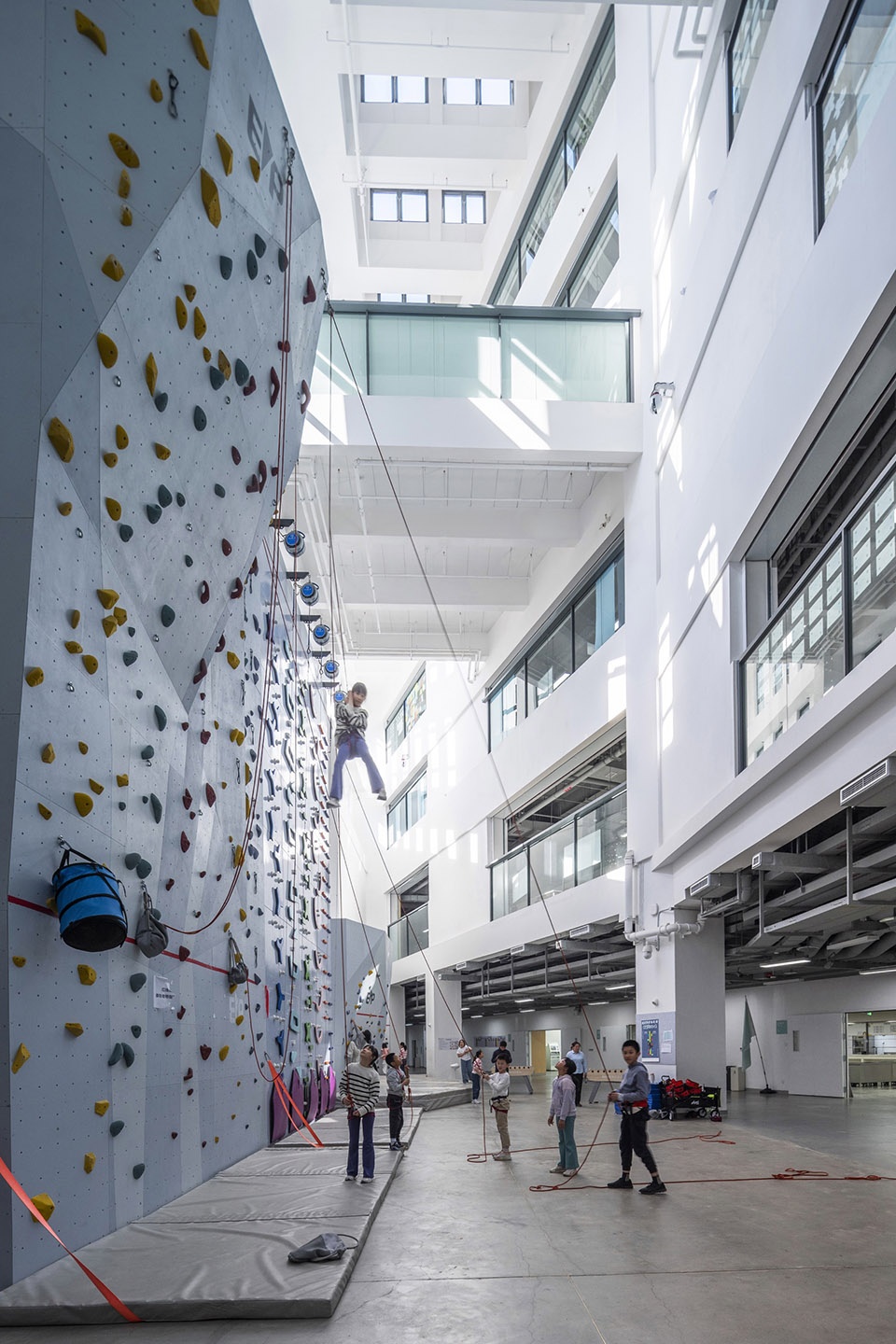
Specialized academies for STEM, arts, humanities, and communication further deepen the learning experience, allowing students to navigate complex, real-world topics through project-based and hands-on learning.
▼攀岩墙,climbing wall
学生参与与设计反馈Student Engagement & Design Feedback
项目过程中的一大亮点是与学生的直接互动 —— 收集他们对“什么样的学校才真正令人鼓舞”的见解。在交流中,学生们表达了对功能完备、富有表现力、充满活力且灵活的空间的期待。这种交流彰显了国际教育设计公司(EDI)对“以人为本”的设计承诺。通过让学生参与设计对话,我们确保最终校园反映他们的声音、价值观和对未来的愿景。这些互动并非象征性举措,而是我们打造赋能学习环境的基础。
A highlight of this journey has been our direct engagement with students—gathering their insights on what makes a school feel truly inspiring. In the interaction, students shared their aspirations for spaces that are not only functional, but expressive, vibrant, and flexible. This feedback loop reinforces EDI’s commitment to human-centric design. By involving students in the design conversation, we ensure that the final campus reflects their voices, values, and vision for the future. These interactions are not just symbolic—they are foundational to the way we shape environments that empower learning.
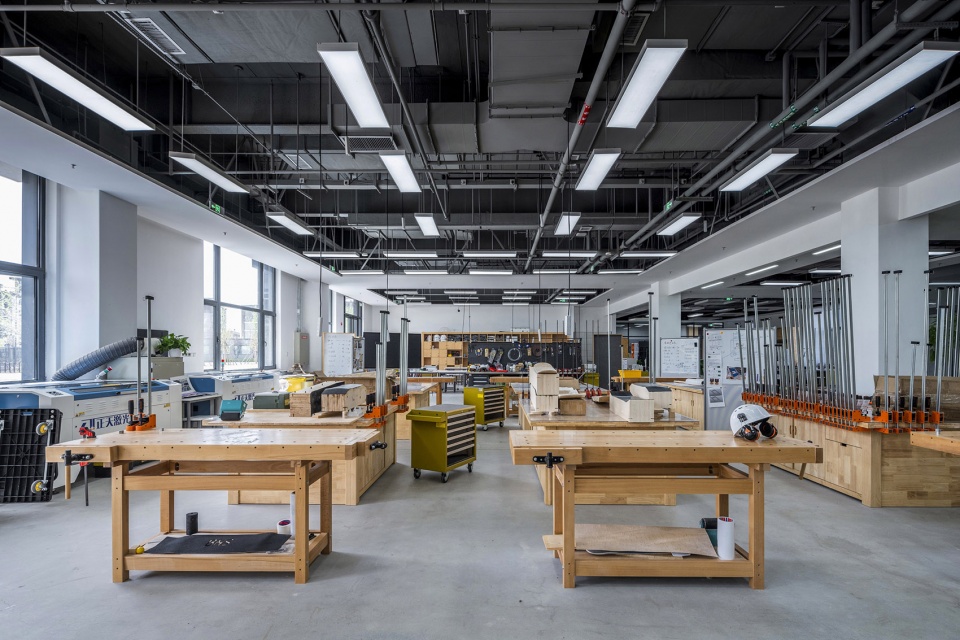
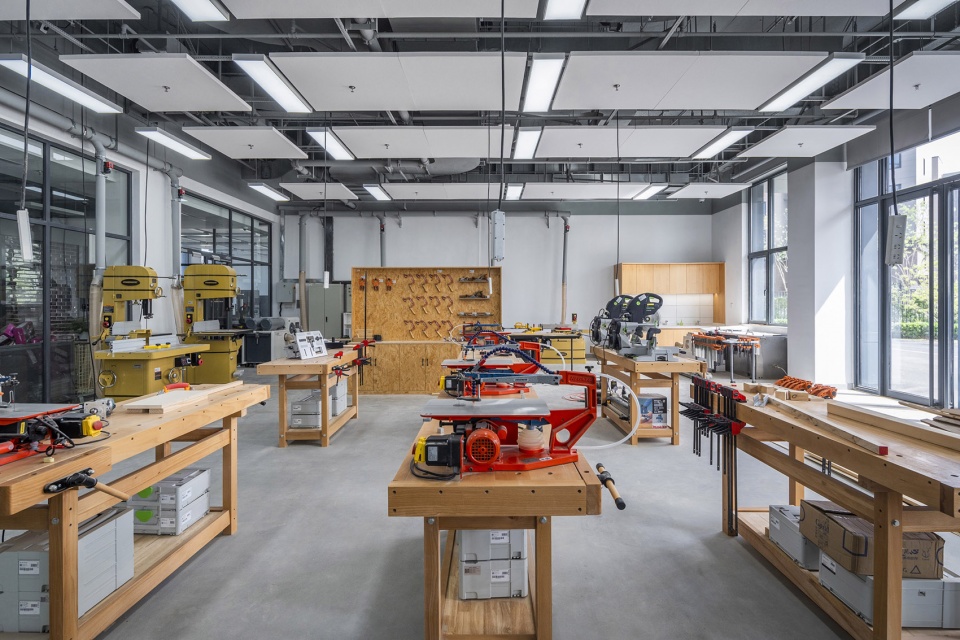
▼工坊社区,workshop community
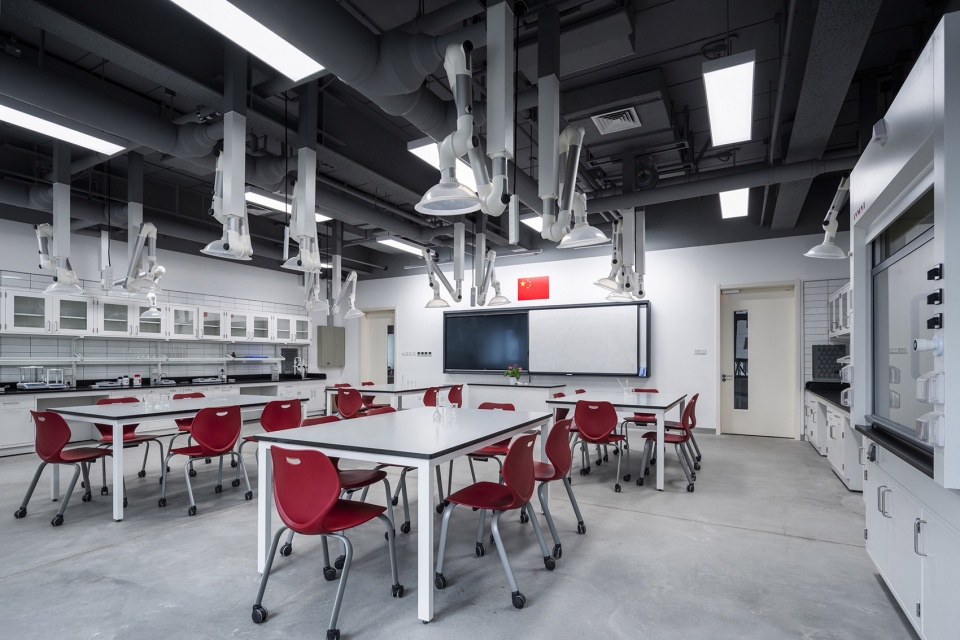
▼化学学习社区,chemistry learning community
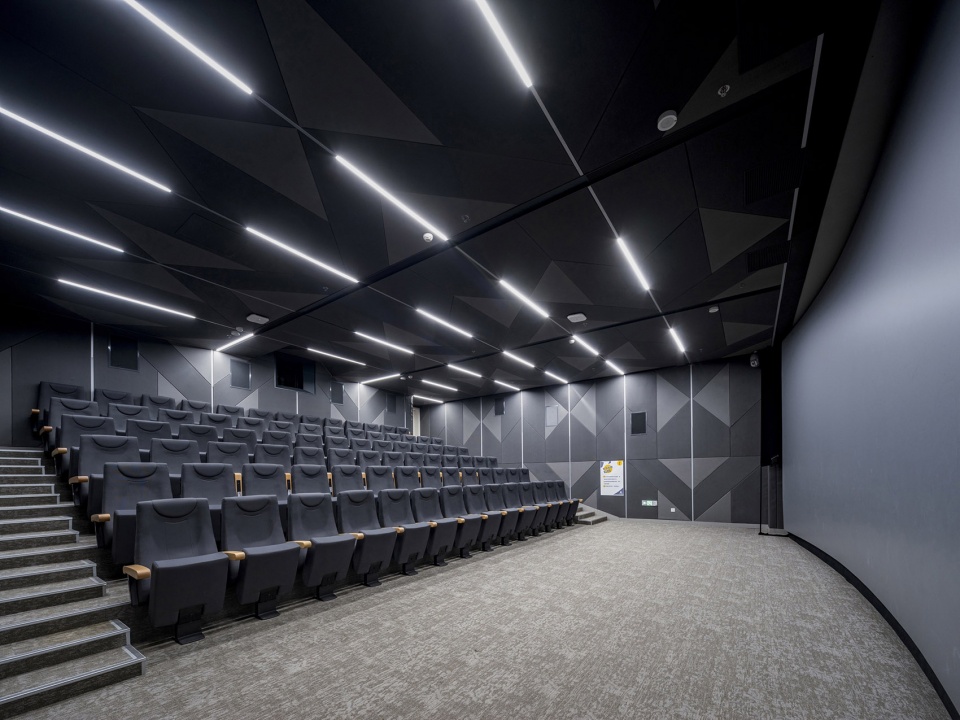
▼电影院,cinema
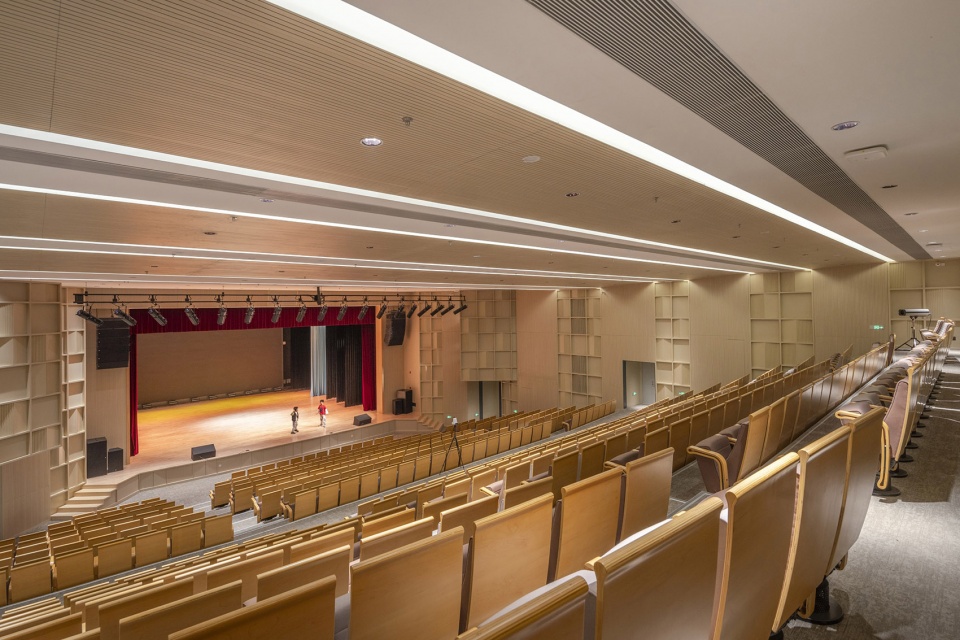
▼剧院,theater
设计理念与空间体验Design Ethos & Spatial Experience
校园设计理念围绕三个关键词:包容、多元、灵动。
Our design ethos for the campus is guided by three words: welcoming, versatile, and expressive.
▼包容、多元、灵动的中庭,welcoming, versatile, and expressive atrium
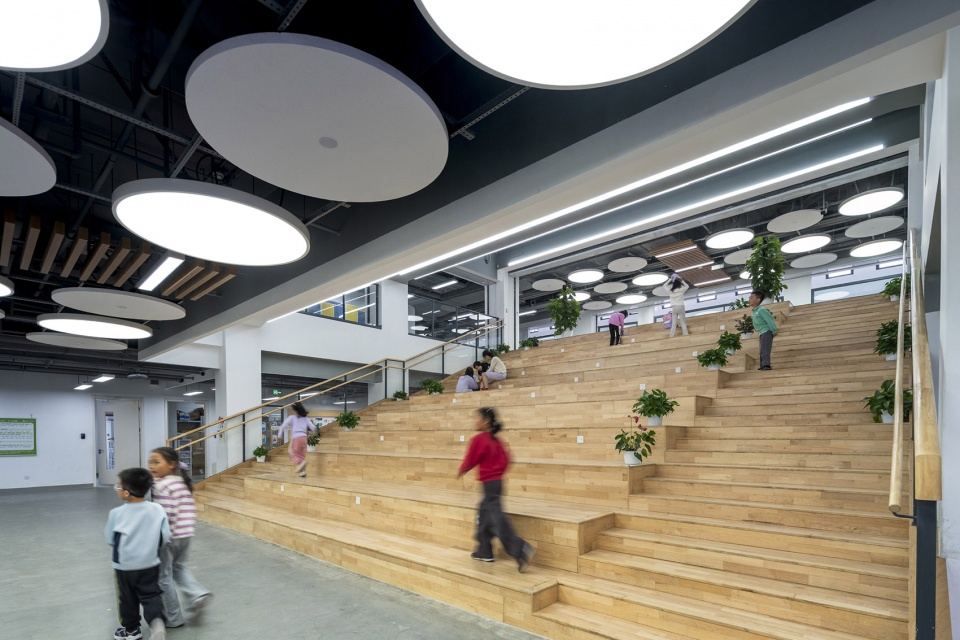
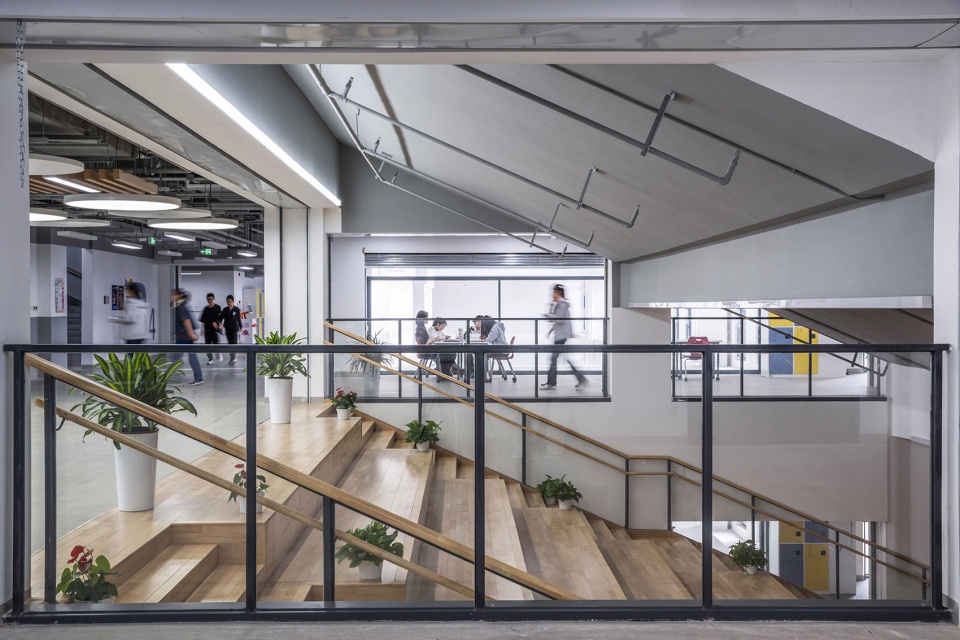
包容:学校如同第二个家。精心设计的元素(如家具、自然的材质、温暖的灯光和合适尺度的内部空间)营造舒适与归属感。
Welcoming: The school feels like a second home. Carefully considered elements—such as soft furnishings, natural textures, warm lighting, and scaled-down interior spaces—create comfort and belonging.
▼食堂空间,canteen
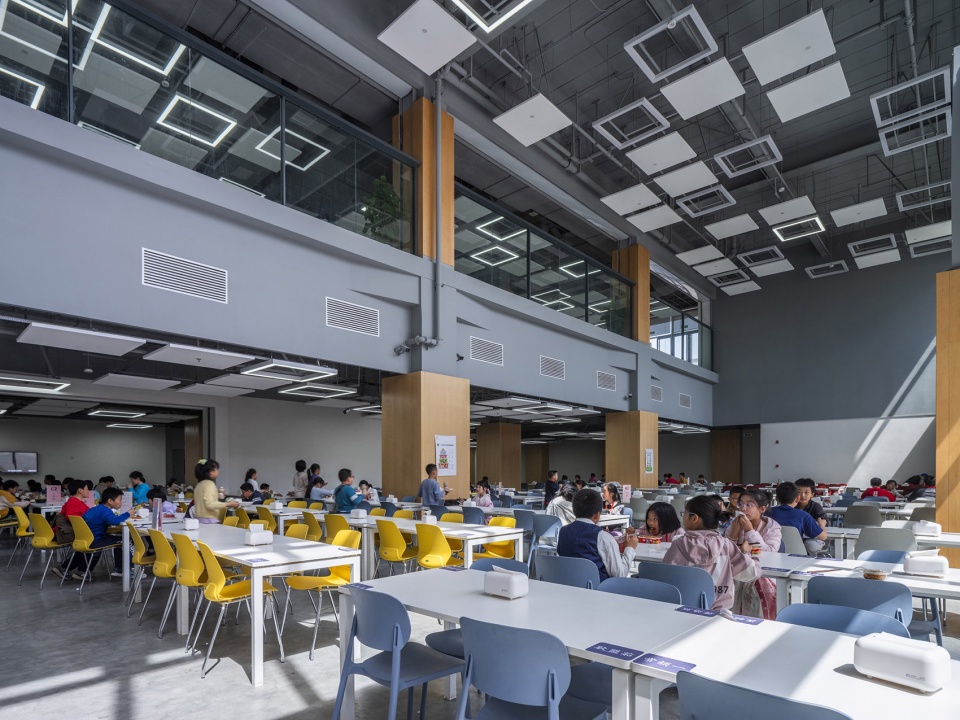
多元:每个空间均具备多功能性。可移动隔墙、灵活的家具和复合用途的公共区域,让师生能根据实时学习需求重新配置环境。
Versatile: Every space is designed to serve multiple functions. Operable walls, mobile furniture, and hybrid-use commons allow educators and students to reconfigure their environment based on the learning needs of the moment.
▼空间均具备多功能性,Every space is designed to serve multiple functions
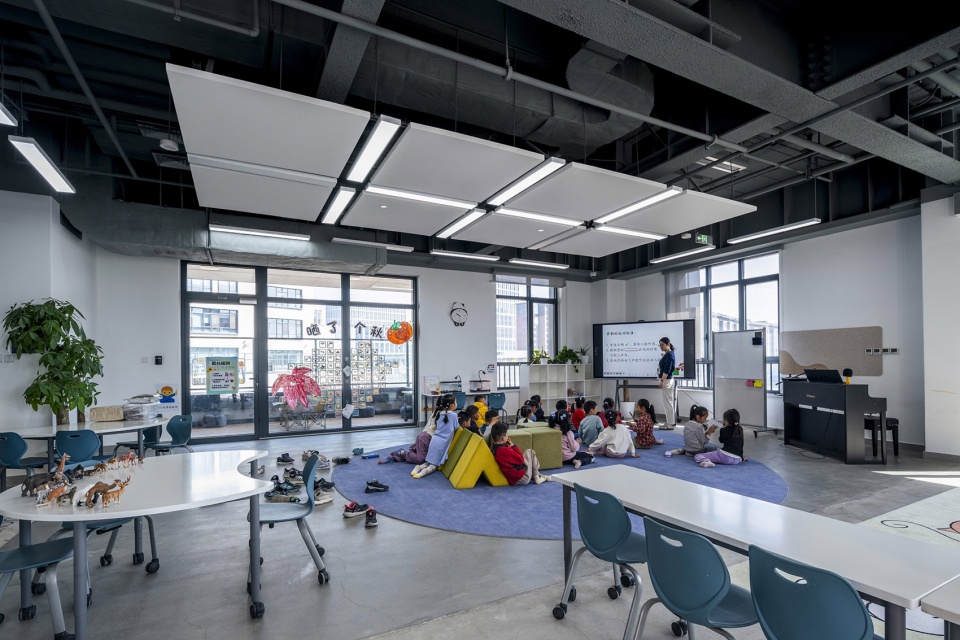
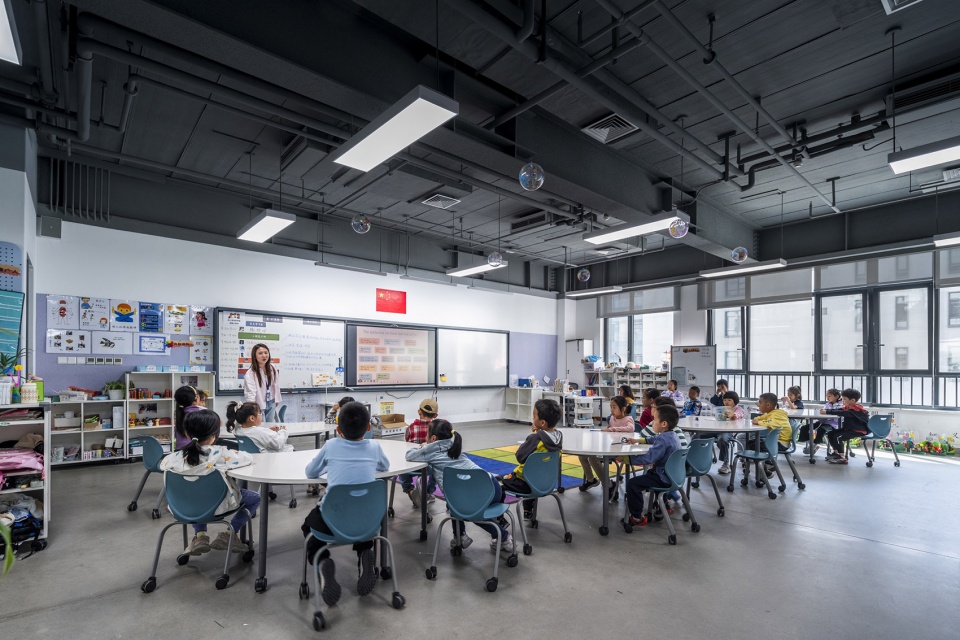
▼科学与技术学习社区,Science and Technology Learning Community
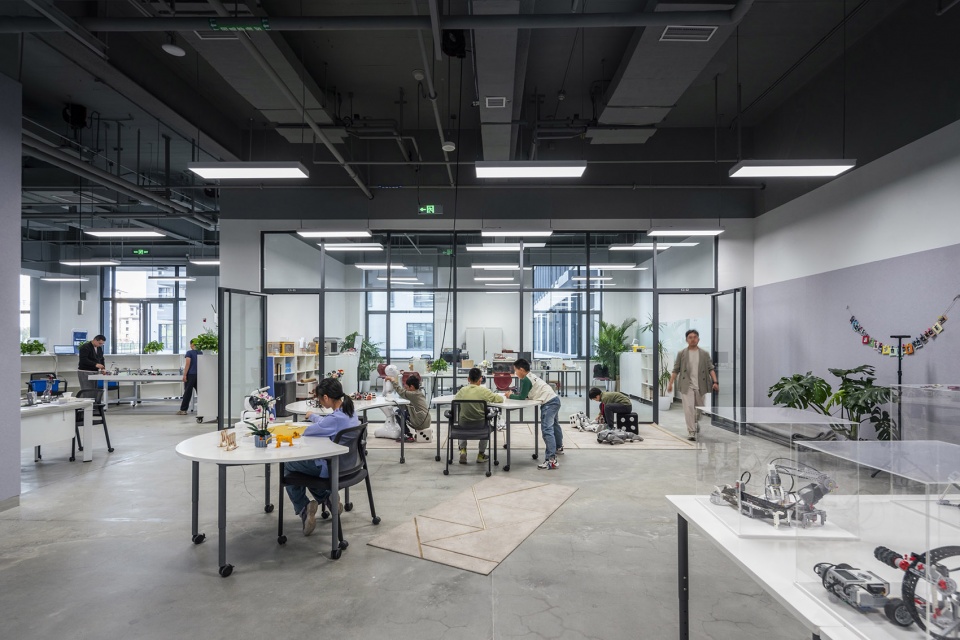
▼学生作品展示,Students’ works on display
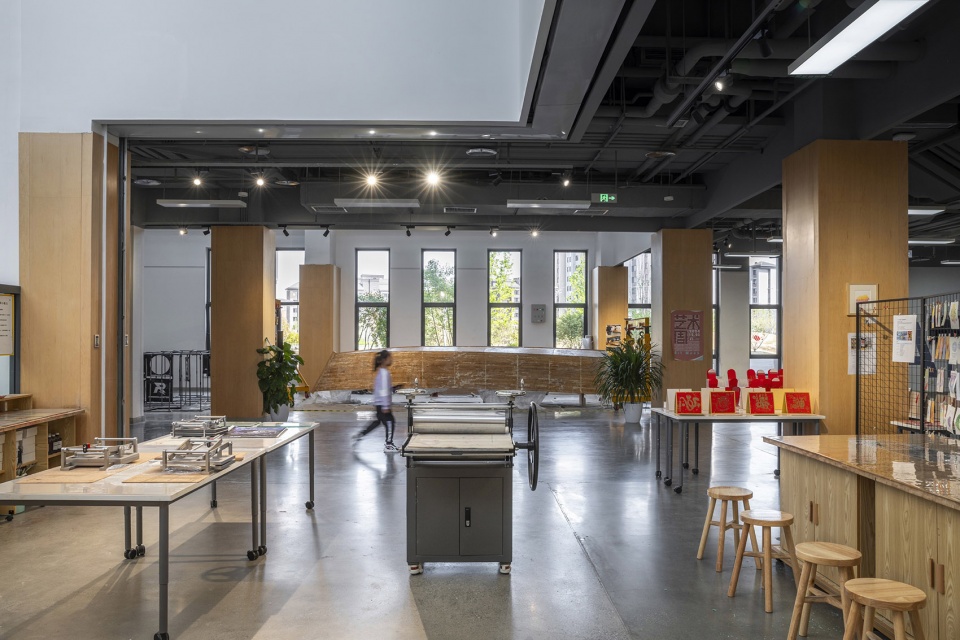
灵动:空间讲述故事。通过材质、色彩和学生主导的展示方式,彰显好奇心、创造力和个性。
Expressive: Spaces tell stories. Through materiality, color, and student-led displays, we celebrate curiosity, creativity, and individuality.
▼游泳馆,Swimming pool
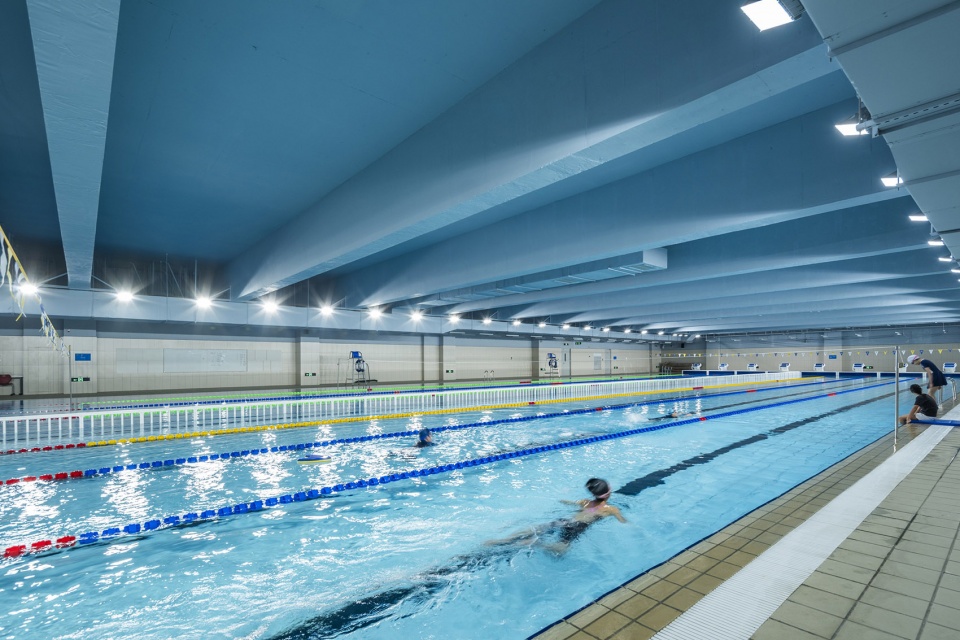
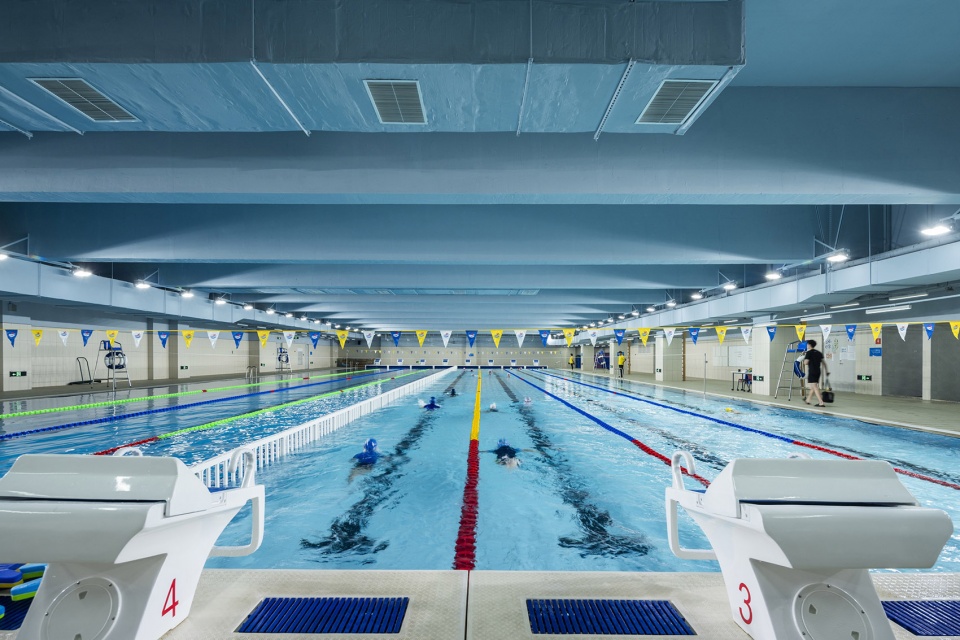
从外到内的多层体验,确保学生在充满刺激又不失沉稳的环境中学习成长。
This layered experience—from facade to furniture—ensures that students engage with learning environments that are stimulating yet grounded.
▼室内跑廊,Indoor runway
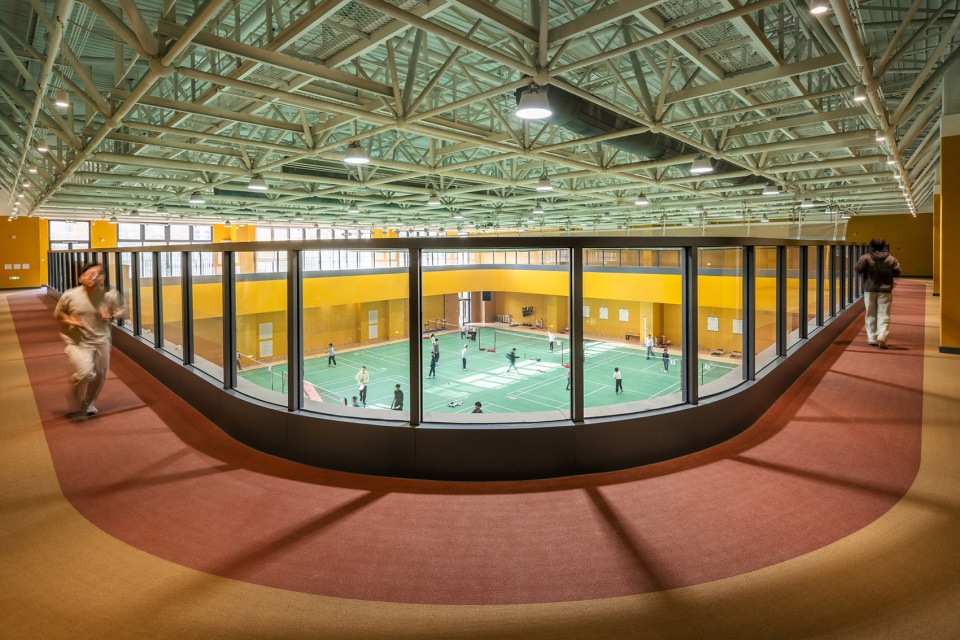
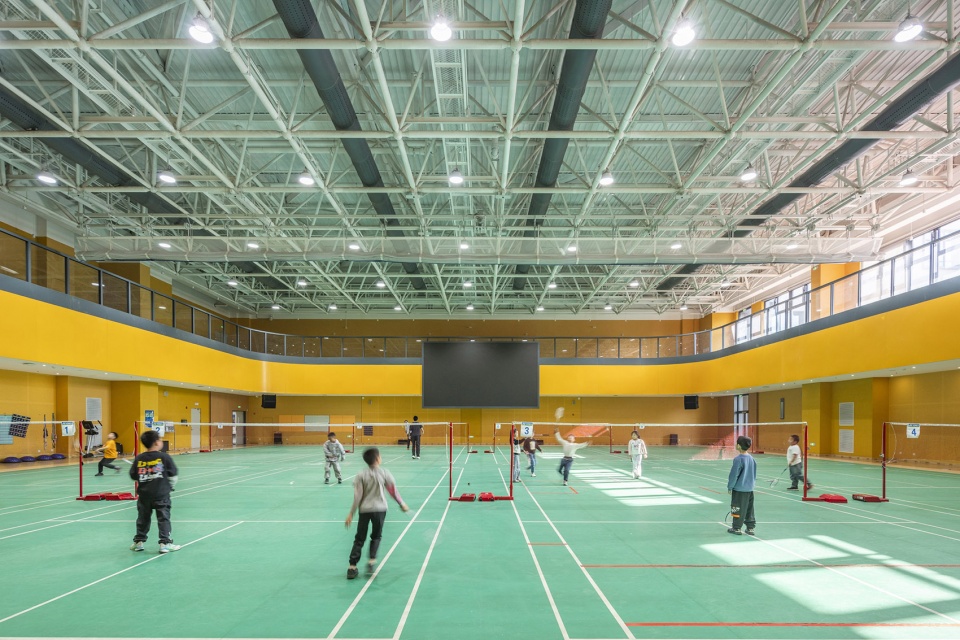
▼羽毛球场,Badminton Hall
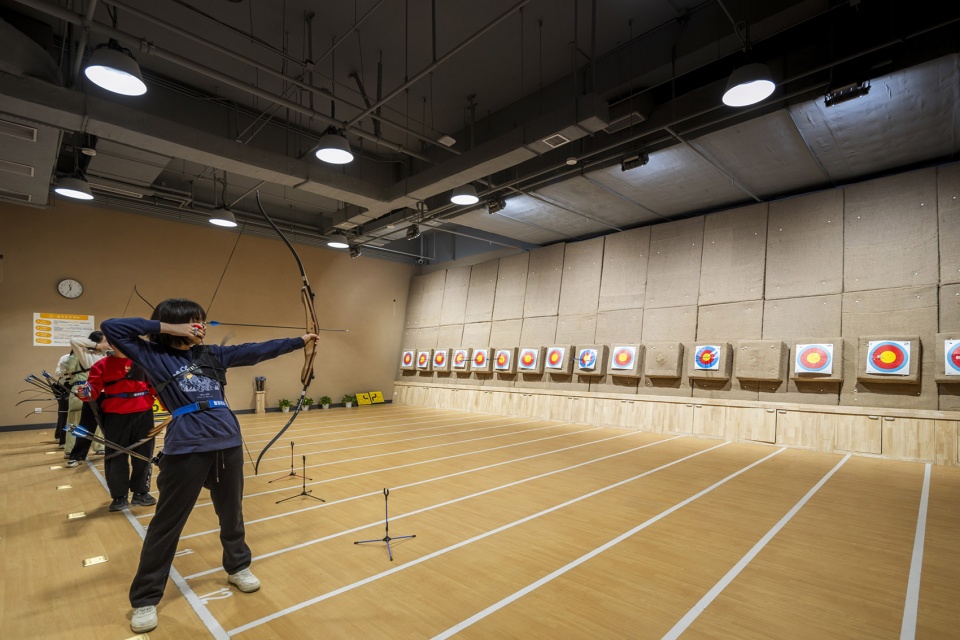
▼射箭场,Archery Range
项目总结 Project Summary
北京第一实验学校作为北京十一学校盟校里的旗舰校区,是应对第四次工业革命教育需求的开创性探索。该校由国际教育设计公司、中国建筑设计研究院有限公司、北京亚洲捷程装饰设计有限公司联合设计,打造了以 “实践出真知” 为核心的未来导向型学习环境,倡导主动的、以学生为中心的学习模式。
The Beijing Navigation School, BNDS’s flagship campus, is a pioneering response to the educational demands of the Fourth Industrial Revolution. Designed in collaboration with Education Design International, CADG, and FACILITY AISA. the school introduces a future-ready academic environment that fosters active, student-centered learning rooted in the principle of “Mastery Through Practice.”
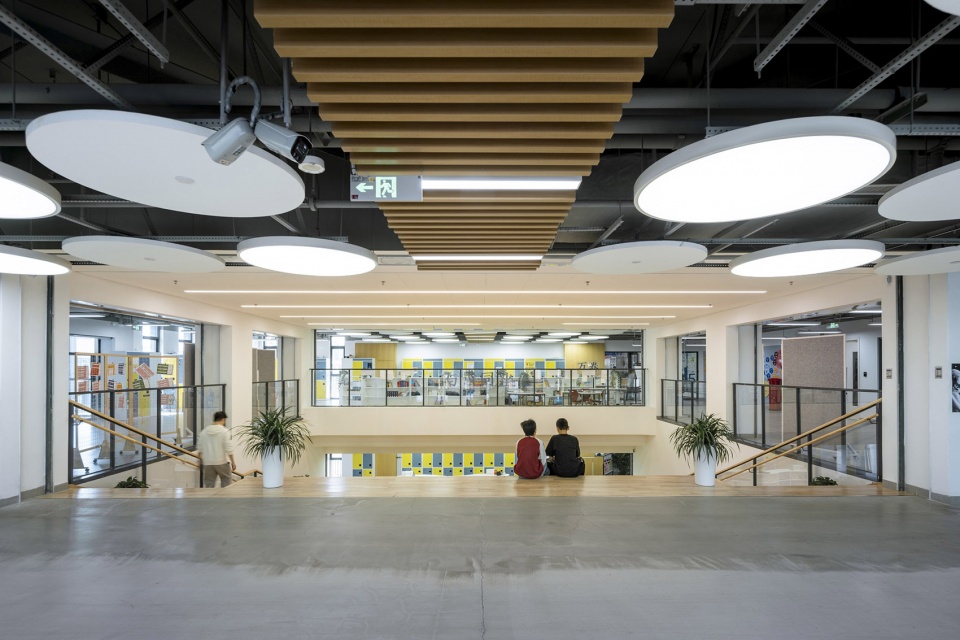
▼中庭,Atrium
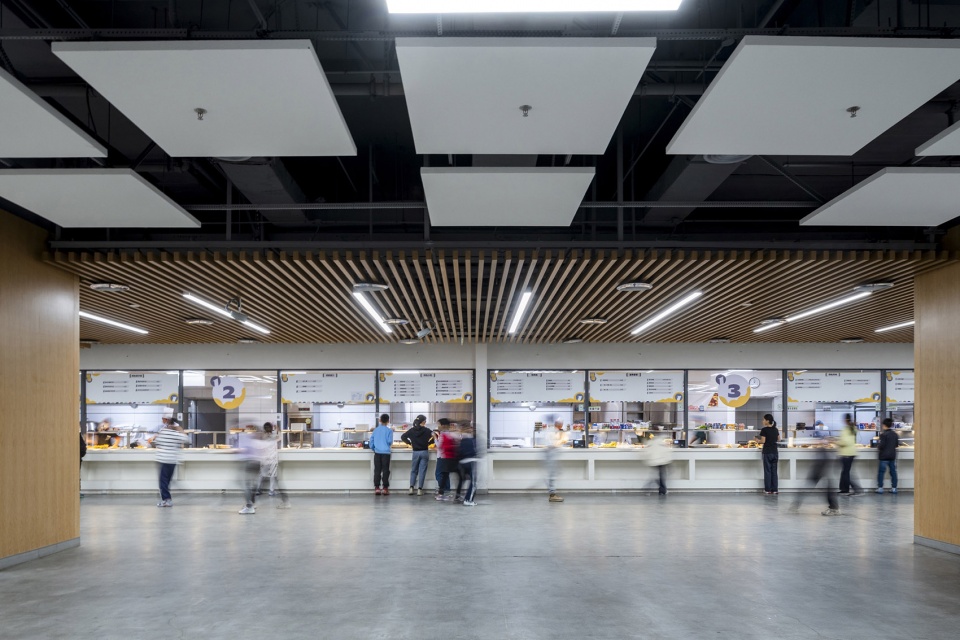
▼食堂,Canteen
学习社区与学院的核心特色:
实践导向的项目式学习: 学生通过沉浸式体验参与现实项目,培养创造力、批判性思维和解决问题的能力。
个性化与学生主导的学习: 灵活的学习环境支持多样化学习风格,让学生按自身节奏探索兴趣领域。
未来科技融合: 学习空间优化适配人工智能、机器人、数字媒体等新兴技术,确保学生培养未来所需技能。
动态灵活的空间设计: 学习社区配备适应性空间,鼓励协作、跨学科和探索性学习。
支持性与包容性环境: 提供学生心理健康、特殊需求和社会情感发展资源,确保每个学习者都能茁壮成长。
教师协作与成长: 教育者在专业学习社区中合作,共同设计学习体验,支持彼此的成长与领导力发展。
有意义的学生参与: 强调学生的话语权与选择权,培养主人翁意识、好奇心和终身学习习惯。
Key Features of the Learning Communities & Academies:
Hands-On, Project-Based Learning Students engage in immersive learning experiences that promote creativity, critical thinking, and problem-solving through real-world projects.
Personalized and Student-Directed Learning Flexible learning environments support diverse learning styles and empower students to explore their passions at their own pace.
Integration of Future Technologies Learning spaces are optimized for the use of emerging technologies—AI, robotics, digital media—ensuring students develop future-ready skills.
Dynamic and Flexible Space Design Learning communities are equipped with adaptable spaces that encourage collaborative, interdisciplinary, and exploratory learning.
Supportive, Inclusive Environment Resources for student wellness, special needs, and social-emotional development ensure every learner thrives.
Teacher Collaboration and Growth Educators work in professional learning communities, co-designing learning experiences and supporting one another’s growth and leadership.
Meaningful Student Engagement A strong emphasis on student voice and choice cultivates ownership, curiosity, and lifelong learning habits.
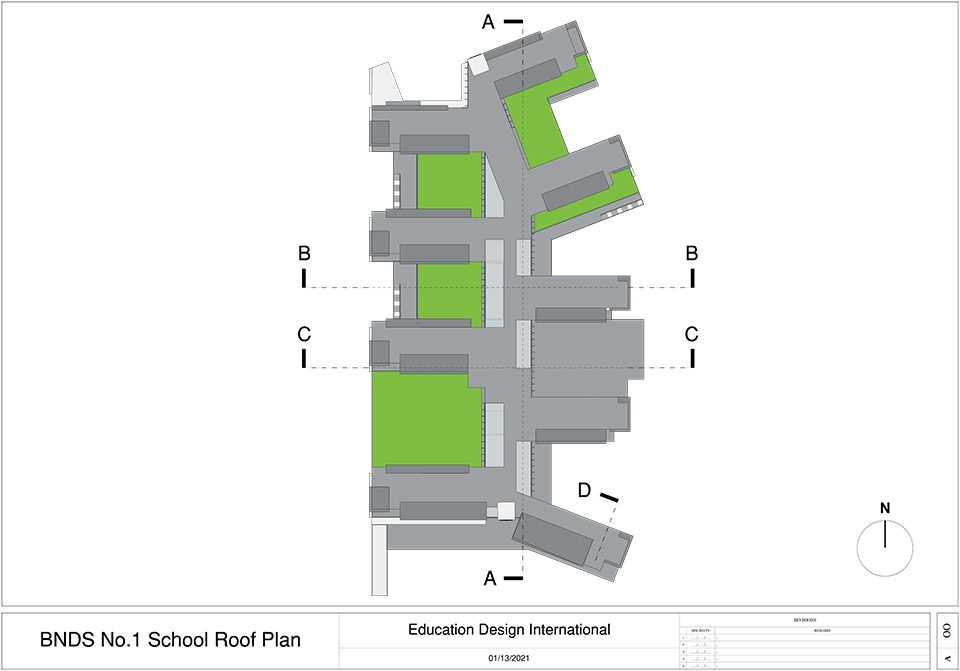
▼屋顶平面,Roof plan
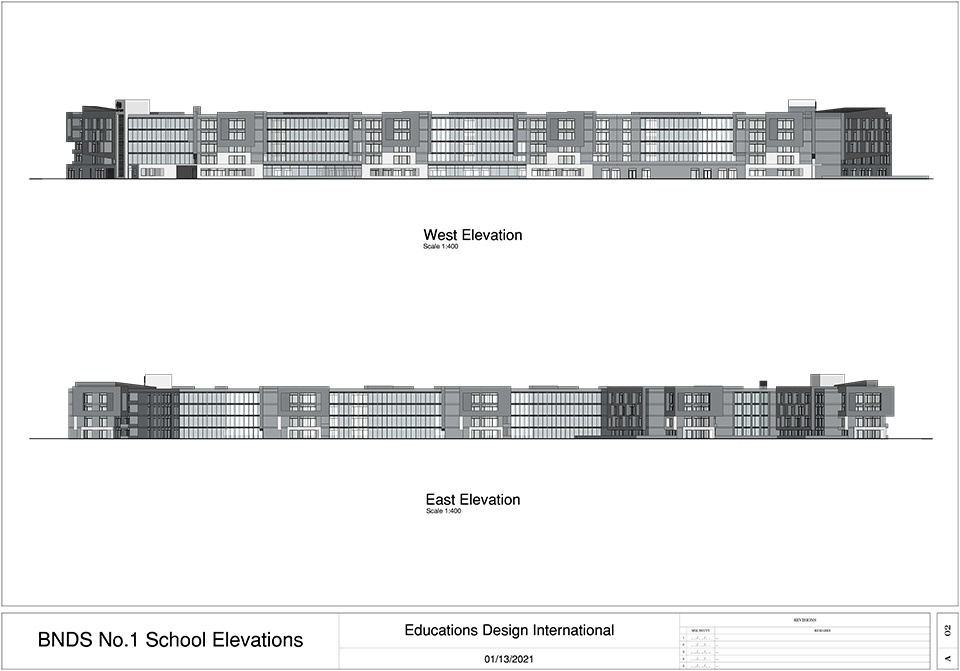
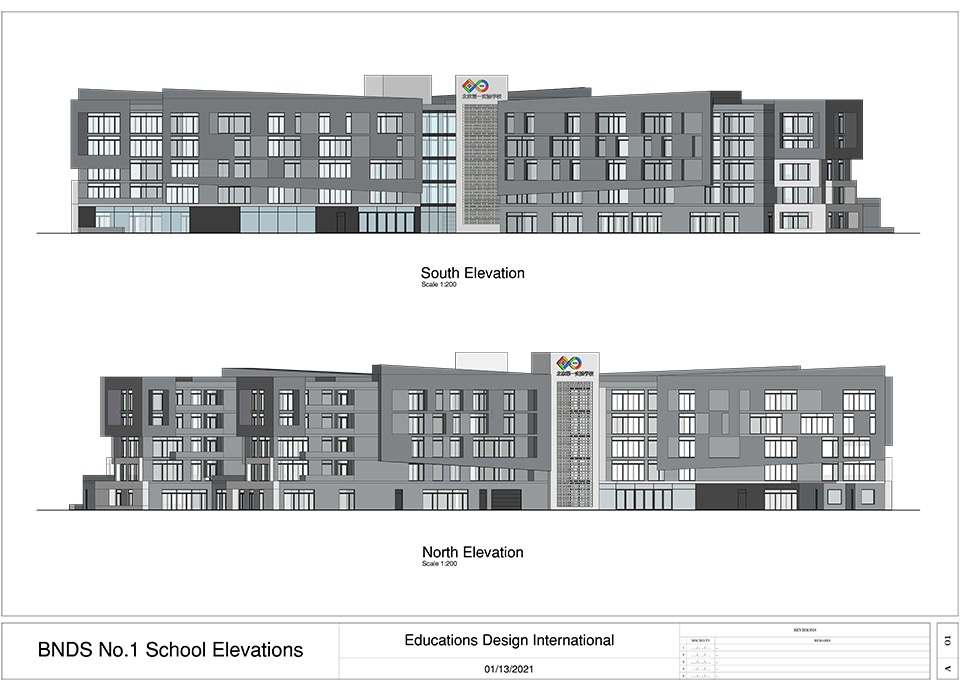
▼立面,Elevation
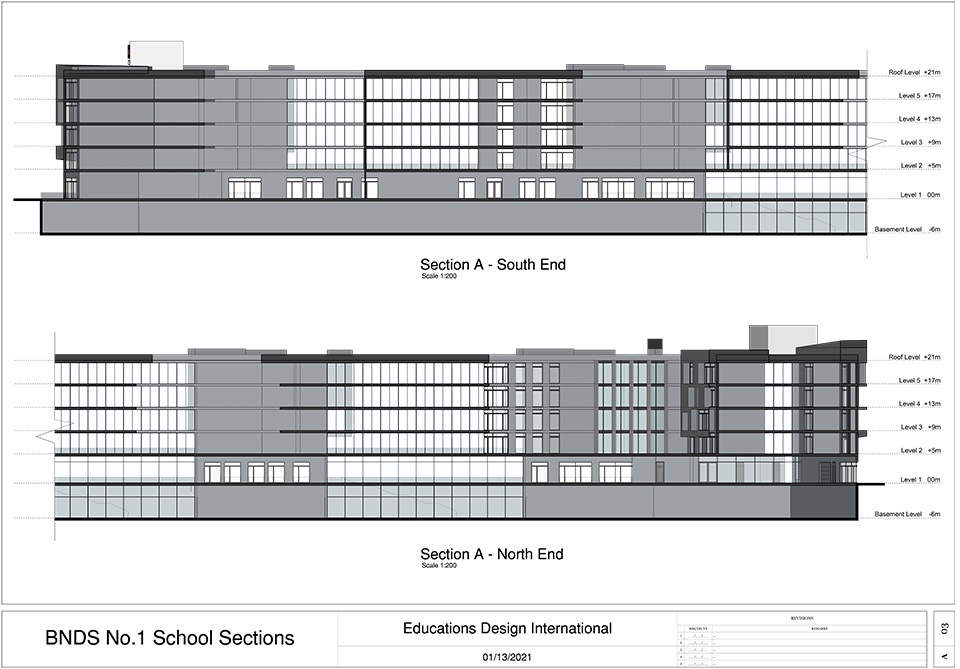
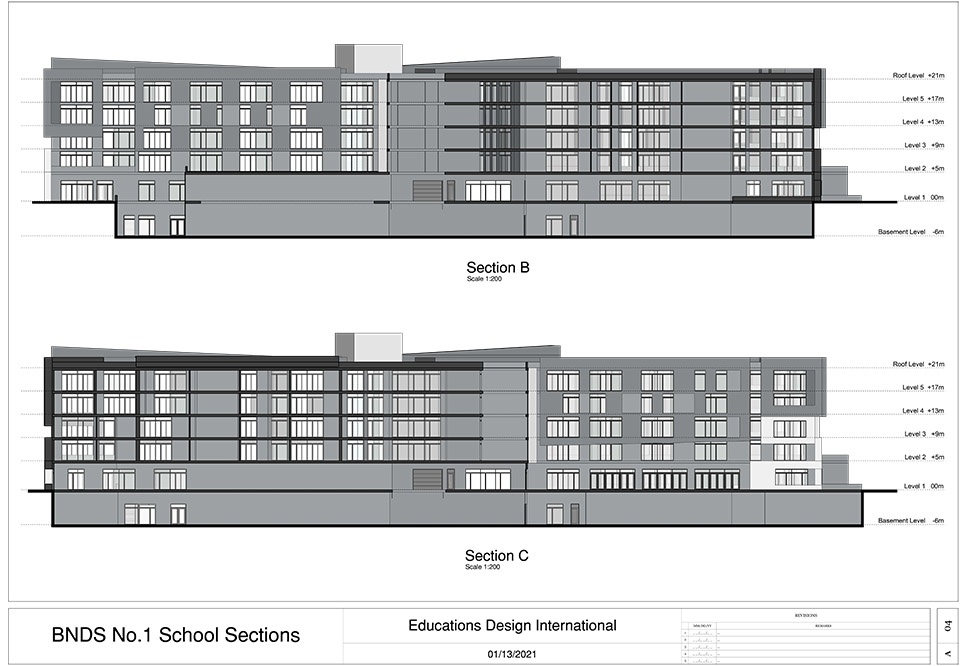
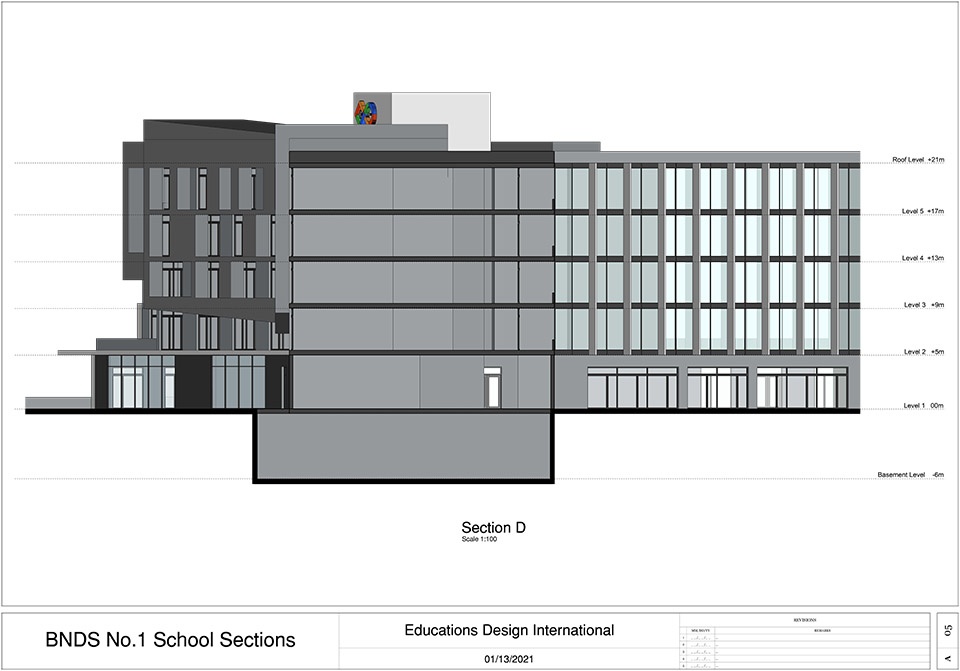
▼剖面,Section
Project name: Beijing Navigation School
Project type: Education, public building, architectural design, interior design
Design: EDUCATION DESIGN INTERNATIONAL INC、CADG、FACILITY ASIA
Website: https://educationdesign.cn/ https://cadg.com.cn/ https://facility-asia.com/
Contact e-mail: tommy@facility-asia.com
Design year: 2020
Completion Year: 2023
Leader designer & Team: Prakash Nair、赵钿、Bipin Bhadran、Louis Sirota、茹笑岚、Ranjit Thomas、Joseph Alwin Billyson、李旋、杨金翰、马力、Kaushik Ganesh、Divya Mathew、Prachi Karthik Naig、高文月、李毅、蒋蓁蓁、许皓月、邓椿森、曾偲、高山、Anusha K、Sreekanth K C
Project location: Tongzhou district, Beijing, China
Gross built area: 96,000㎡
Photo credit: Weiqi Jin
Partner: EDUCATION DESIGN INTERNATIONAL INC、CADG、FACILITY ASIA
Clients: BEIJING PUBLIC HOUSING CENTER
Materials: no
Brands: no