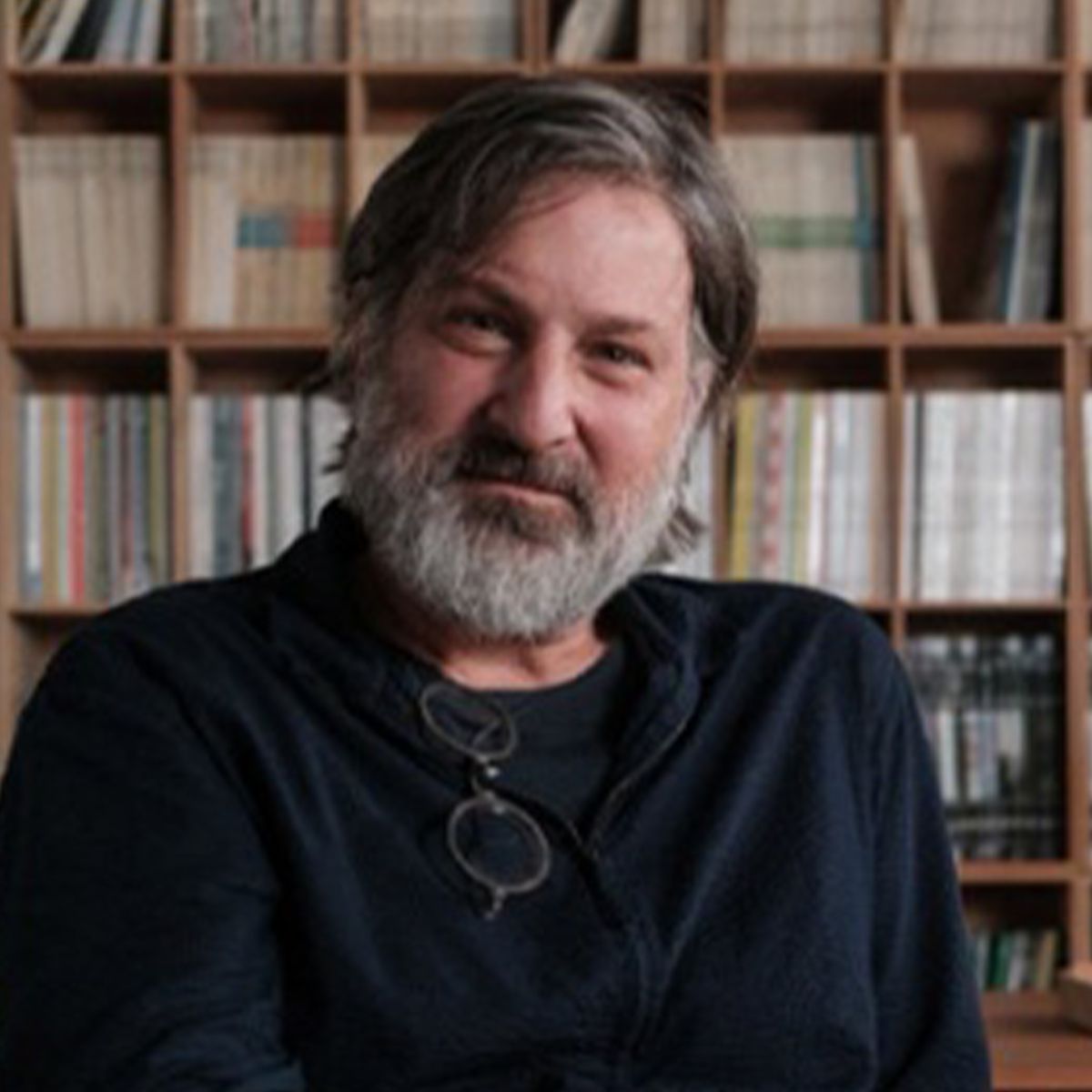
Architecture can take on grand, substantial, and enduring forms, standing in the sunlight for centuries, patiently awaiting our visit; or it can be a smaller, more fragile construct, fleeting as mayflies—born at dawn and gone by dusk—and even, by conventional standards, lacking a definitive place in the world.


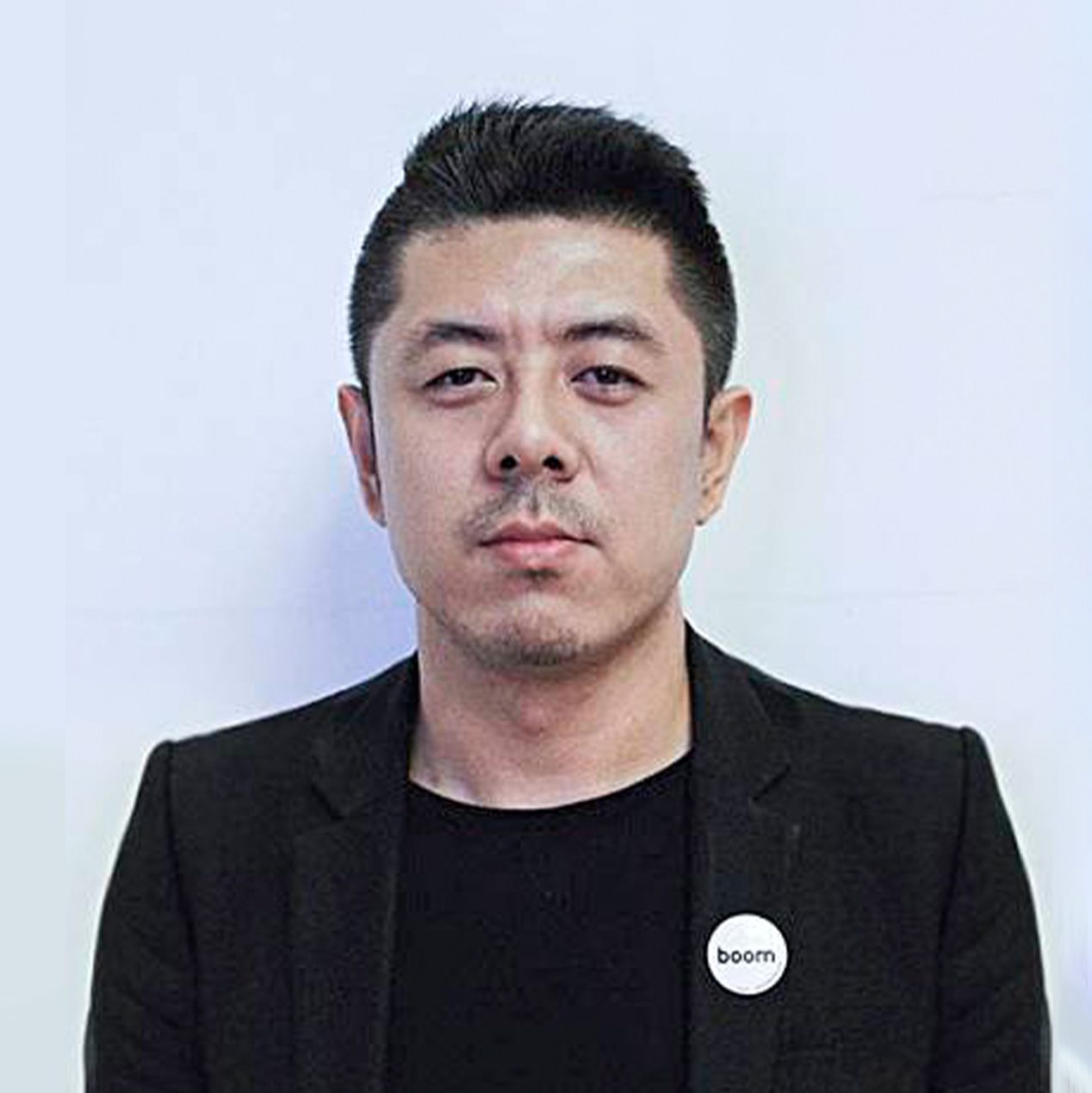
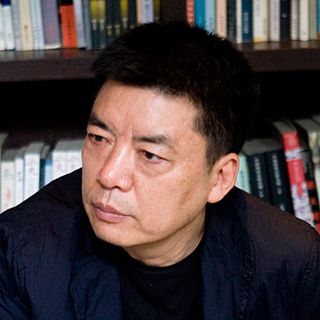
Ma Yansong was born in Beijing in 1975. He studied at the Beijing Institute of Civil Engineering and Architecture (now Beijing University of Civil Engineering and Architecture) and later graduated from Yale University in the United States. Ma Yansong founded MAD Architects in 2004 and has led the design of a series of iconic architectural and artistic projects, including the Lucas Museum of Narrative Arts, Canada’s “Marilyn Monroe Building,” the Ordos Museum, Harbin Cultural Island, Chaoyang Park Plaza, the Fish Tank, and the Hutong Bubble. In 2010, the Royal Institute of British Architects (RIBA) conferred upon him the title of Honorary Fellow. In 2014, he was named a “Young Global Leader” by the World Economic Forum. He teaches at Beijing University of Civil Engineering and Architecture.
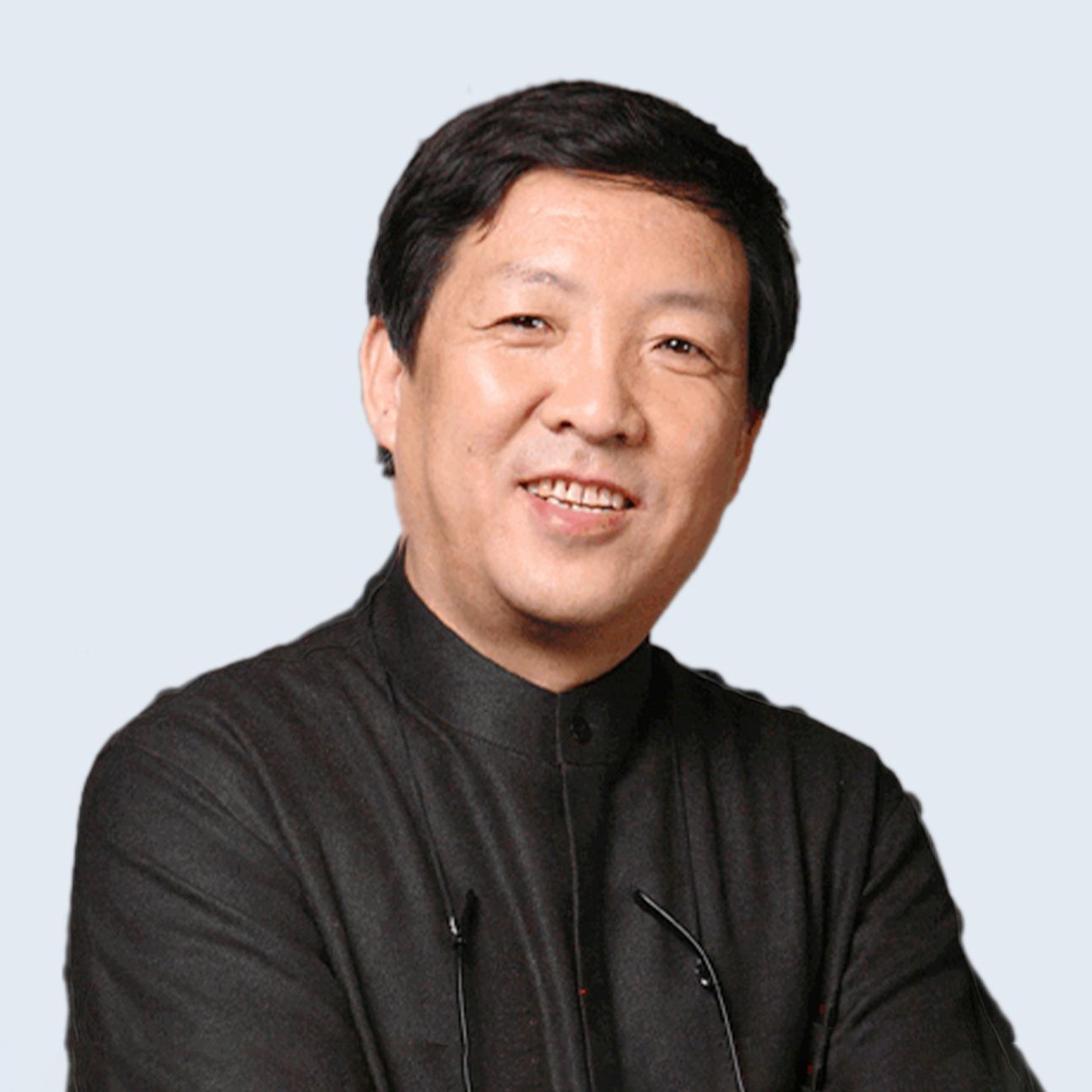
For him, architecture is a form of aesthetic appreciation. The beauty of form, the beauty of design, the beauty of technology, and the beauty of materials—immerse yourself in them. For him, architecture is a form of culture. The beauty of historiography, the beauty of philosophy, the artistry of literature, and indeed the myriad facets of everyday life are all encompassed within it. For him, architecture is a form of communication. Managers, investors, builders, and users come together, forging consensus and mutual encouragement to achieve shared success. For him, architecture is a vocation. Professional ethics, social responsibility, corporate image, and personal integrity are all fully embodied herein. For him, architecture is a journey. The long journey begins with a single step; stay grounded, pursue knowledge with dedication, and find joy in the process.
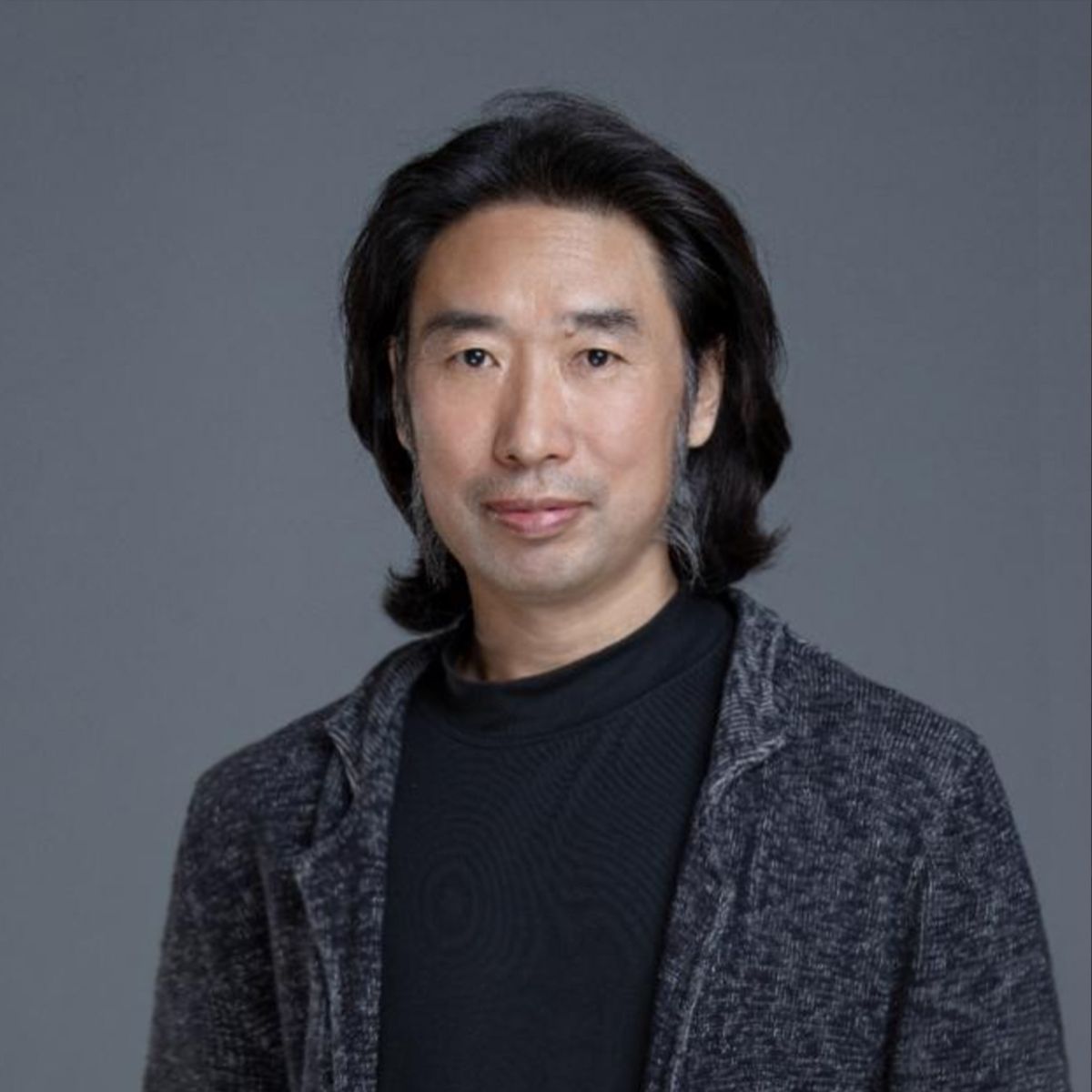
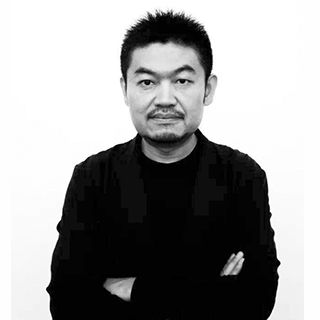
Zhang Pengju, male, Han ethnicity, born in April 1963 in Zhangjiakou City, Hebei Province, a member of the Communist Party of China, holds a doctorate, and graduated from the Institute of Architecture at Southeast University. National First-Class Registered Architect, National Master of Engineering Survey and Design, Dean and Professor of the School of Architecture at Inner Mongolia University of Technology, and Chairman of Inner Mongolia University of Technology Architectural Design Co., Ltd. Zhang Pengju has created numerous architectural masterpieces, guiding the healthy development of architecture in Inner Mongolia and the remote regions of western China. In 2012, he was named one of the “100 Architects of Contemporary China.” In 2022, he/she was publicly nominated as a candidate for the Liang Sicheng Architecture Prize. In 2023, he/she was awarded the National May Day Labor Medal. It has also been awarded the Design Gold Award by the World Association of Chinese Architects and the First Prize in the industry from the China Exploration and Design Association. In September 2025, the “Xiwusutu Village Community Center” by Zhang Pengju’s team was awarded the 16th Aga Khan Award for Architecture.

Wang Fei is the Executive Chief Architect and a Senior Architect at Harbin Institute of Technology Architectural Design Research Institute Co., Ltd. In 2016, he/she graduated from the School of Architecture at Harbin Institute of Technology and was awarded a doctoral degree. The firm’s projects have repeatedly been awarded the Architectural Design Award of the Architectural Society of China, the First Prize for Outstanding Survey and Design in the industry, and the First Prize for Excellent Engineering Survey and Design at the provincial level, among others. Has published more than 20 academic papers in specialized journals such as Architectural Journal, New Architecture, Urban Architecture, and Architecture & Culture. Participated in more than ten research projects.
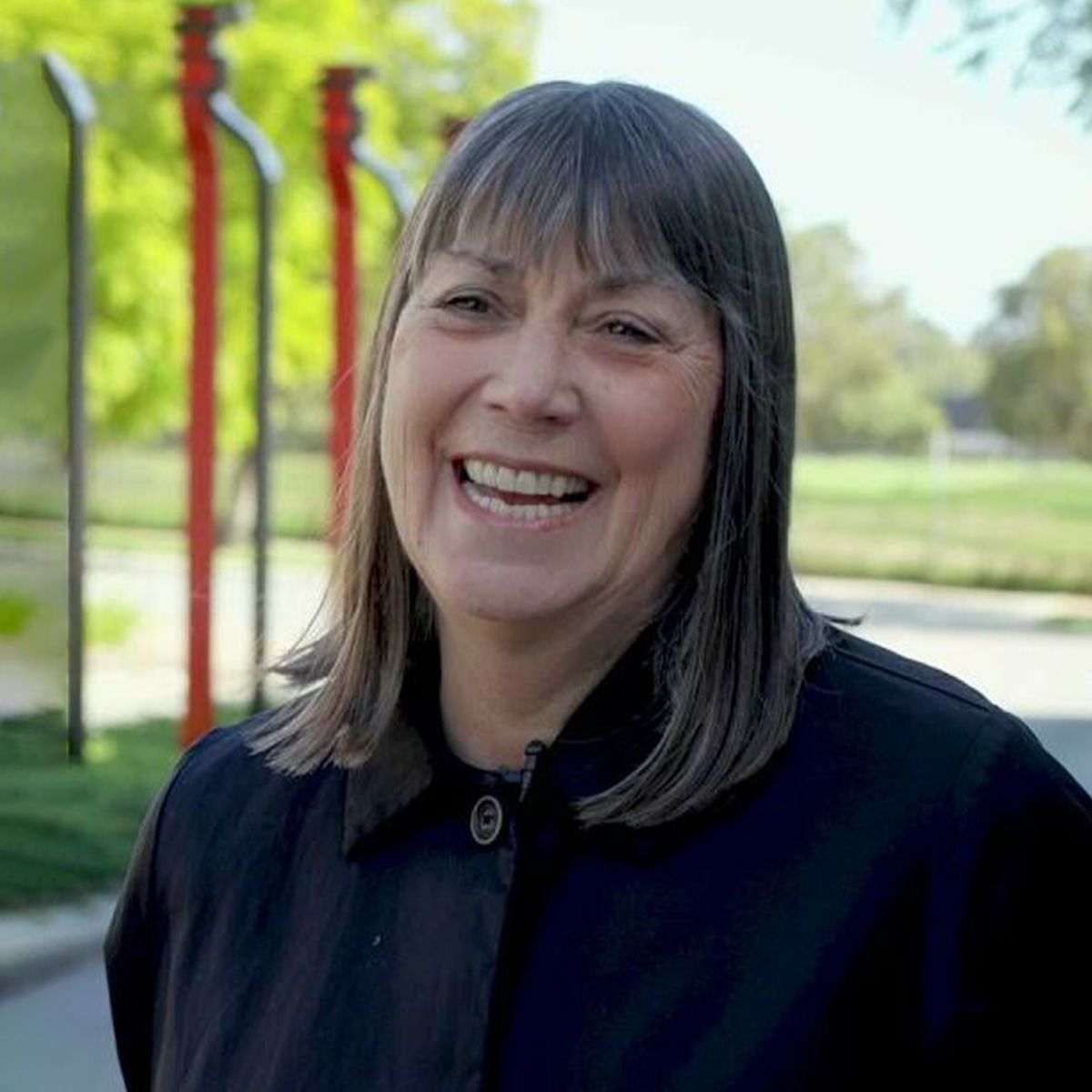
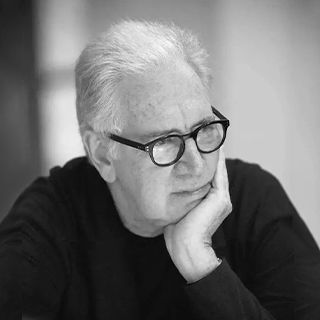
Annie Neal grew up in Queensland, but after several years of fun and adventure in London, she arrived in Western Australia in 1980. In 1985, she graduated from Curtin University with a Bachelor of Arts and Design, earning dual degrees in jewelry and ceramics with honors. In 1992, she decided to expand her artistic practice and went to the Australian National University in Canberra to pursue a postgraduate diploma in sculpture. Annie’s early training in jewelry and her artistic practice continue to inform her sculptural work. Metal remains her passion; though the scale of her current work can only be achieved through industrial manufacturing, the delicate interplay of surface treatments reveals her deep appreciation for handcrafted techniques. In 2012, she was awarded the Lifetime Achievement Award by ArtSource in Western Australia, in recognition of the breadth and scale of her artistic practice, as well as her generosity in mentoring other artists.

Rohin Kickett’s work draws inspiration from his family’s stories of strength and survival, as well as his personal experiences growing up in Perth. He was born within 50 kilometers of the site where his family first came into contact with settlers, and ties to the Baradung region run deep in his family. As an advocate and activist representing young Nyoongar artists, Kickett’s work has been exhibited in a range of galleries and exhibitions across Western Australia, including the Yonga Boodjah Indigenous Art Gallery and the Maalinup Aboriginal Gallery of Western Australia.
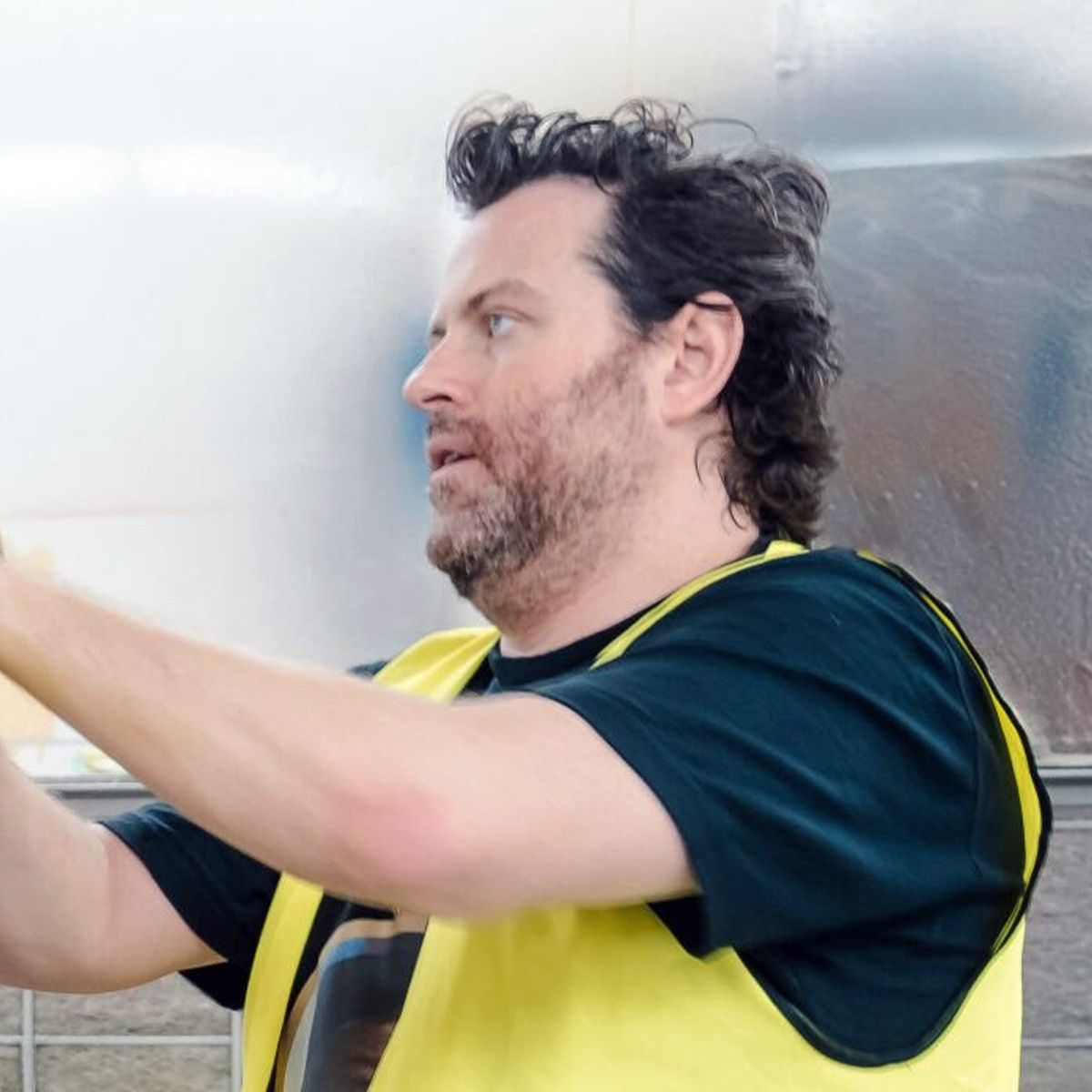
Matthew McVeigh is an interdisciplinary artist who graduated from the Western Australian Academy of Performing Arts in 2008, majoring in Live Performance Design.
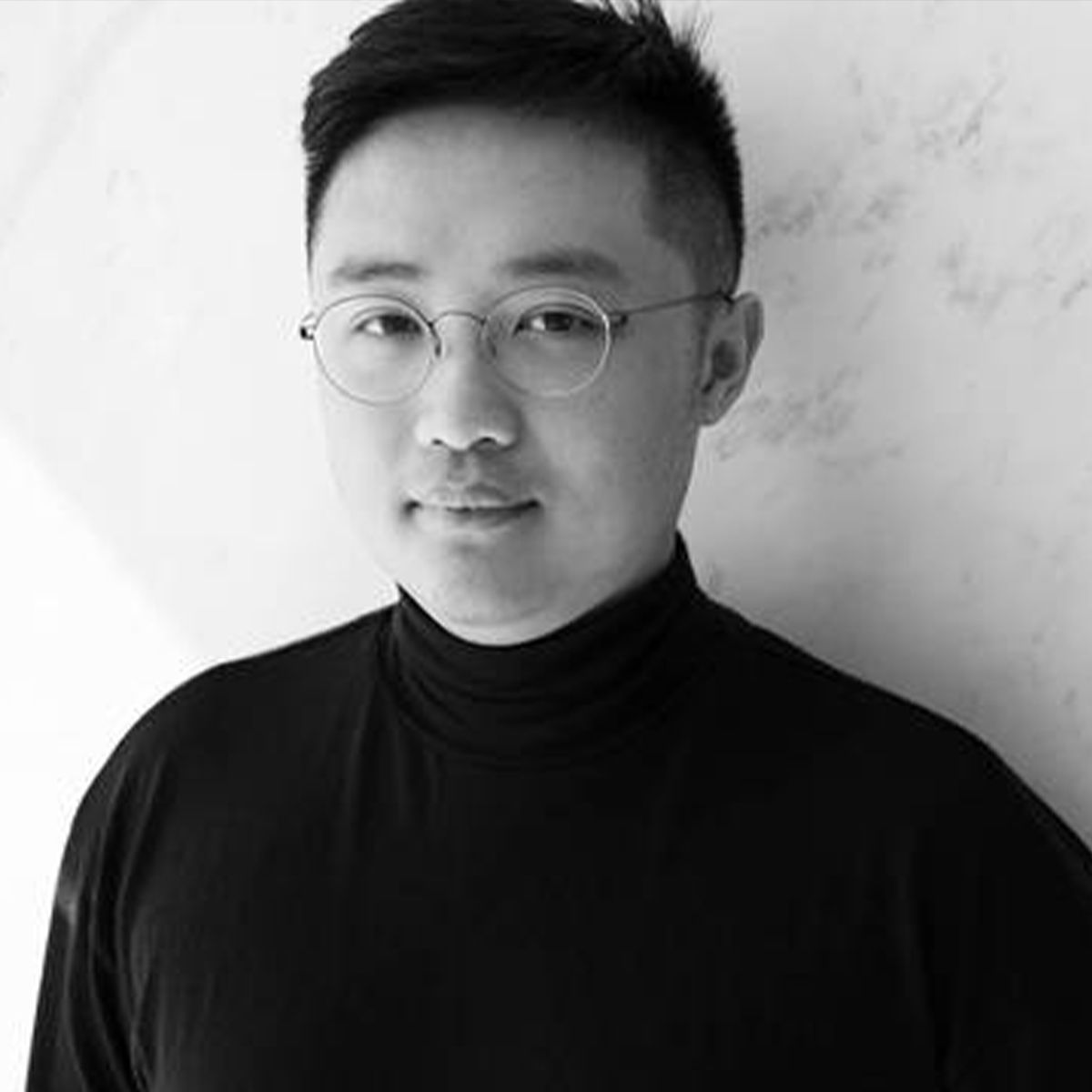
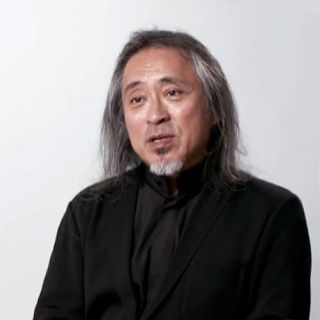
Born in Fuzhou, Fujian, he graduated from the China Academy of Art with a major in Integrated Design. His graduation project was awarded the Gold Medal of the China Academy of Art and the Lin Fengmian Creation Prize, and his work has been permanently collected by the institution. The design portfolio spans a wide range of sectors, including shopping centers, cultural‑tourism hotels, municipal landscapes, luxury residential estates, new retail, and industrial‑office complexes. Design Ideal has long been committed to exploring Chinese culture; whether in interior design, architectural design, or landscape design, it treats these fields as an integrated body of inquiry, transcending the conventional boundaries of specialized disciplines. He believes that, whether large or small in scale, a building’s very existence in the world hinges on the mindset of the people within it; thus, in his design process, he places greater emphasis on the experiences and sensations of those who inhabit it.