Architecture can take on grand, substantial, and enduring forms, standing in the sunlight for centuries, patiently awaiting our visit; or it can be a smaller, more fragile construct, fleeting as mayflies—born at dawn and gone by dusk—and even, by conventional standards, lacking a definitive place in the world.


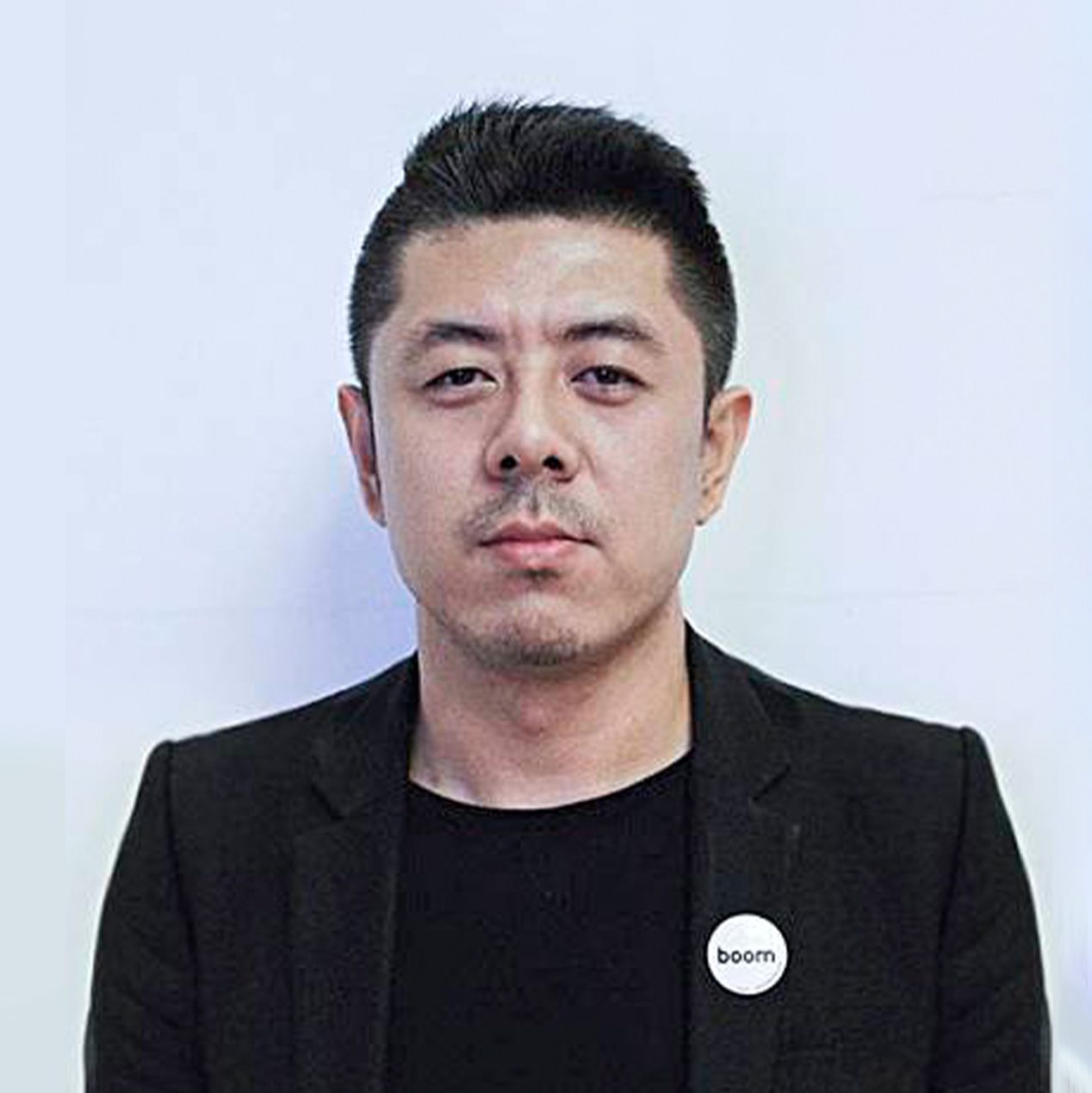
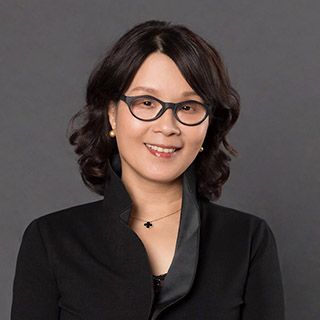
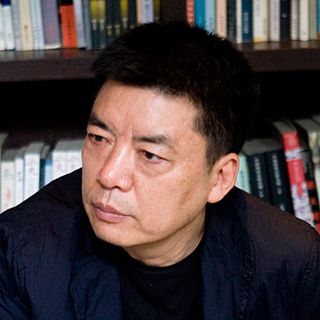
Ma Yansong was born in Beijing in 1975. He studied at the Beijing Institute of Civil Engineering and Architecture (now Beijing University of Civil Engineering and Architecture) and later graduated from Yale University in the United States. Ma Yansong founded MAD Architects in 2004 and has led the design of a series of iconic architectural and artistic projects, including the Lucas Museum of Narrative Arts, Canada’s “Marilyn Monroe Building,” the Ordos Museum, Harbin Cultural Island, Chaoyang Park Plaza, the Fish Tank, and the Hutong Bubble. In 2010, the Royal Institute of British Architects (RIBA) conferred upon him the title of Honorary Fellow. In 2014, he was named a “Young Global Leader” by the World Economic Forum. He teaches at Beijing University of Civil Engineering and Architecture.
For him, architecture is a form of aesthetic appreciation. The beauty of form, the beauty of design, the beauty of technology, and the beauty of materials—immerse yourself in them. For him, architecture is a form of culture. The beauty of historiography, the beauty of philosophy, the artistry of literature, and indeed the myriad facets of everyday life are all encompassed within it. For him, architecture is a form of communication. Managers, investors, builders, and users come together, forging consensus and mutual encouragement to achieve shared success. For him, architecture is a vocation. Professional ethics, social responsibility, corporate image, and personal integrity are all fully embodied herein. For him, architecture is a journey. The long journey begins with a single step; stay grounded, pursue knowledge with dedication, and find joy in the process.
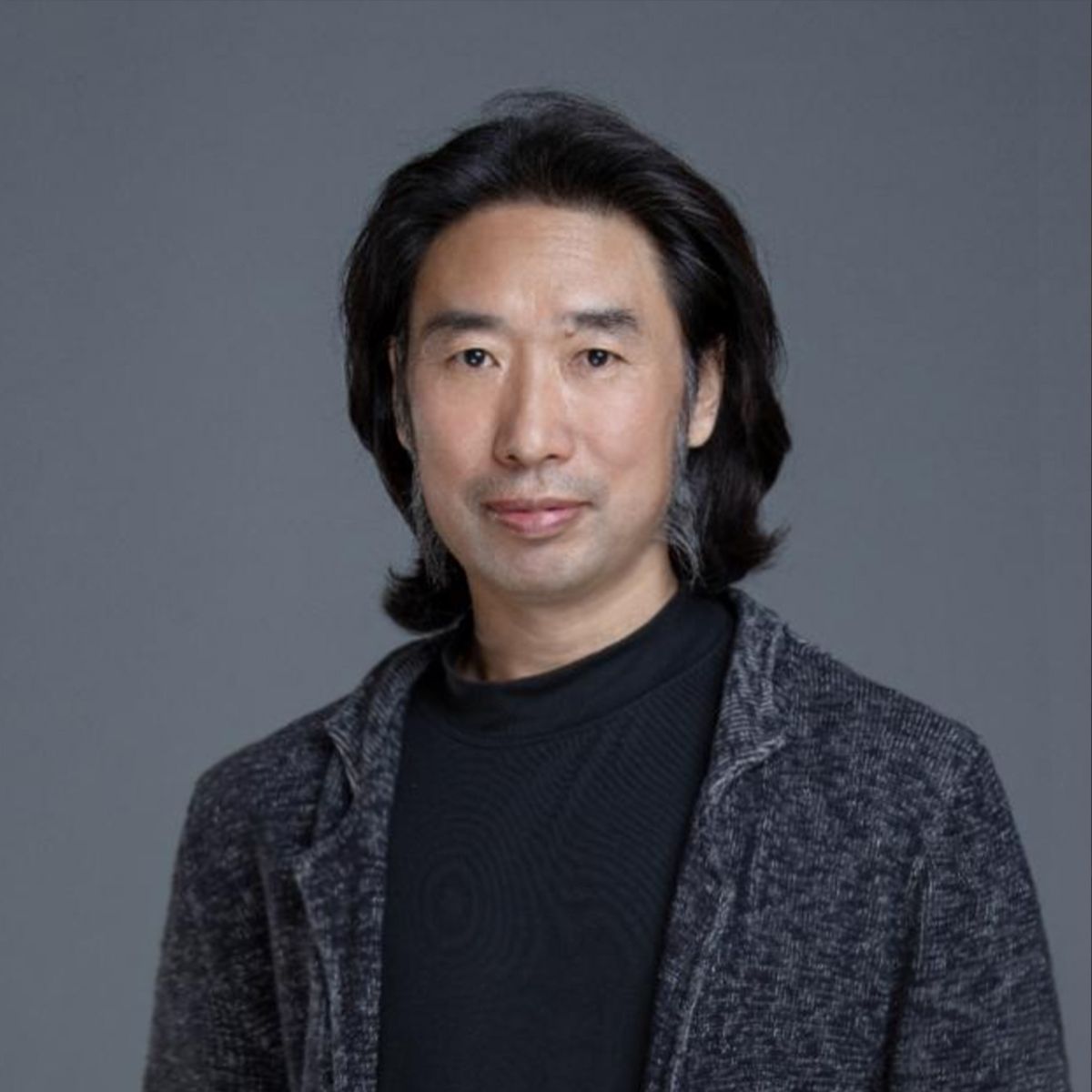
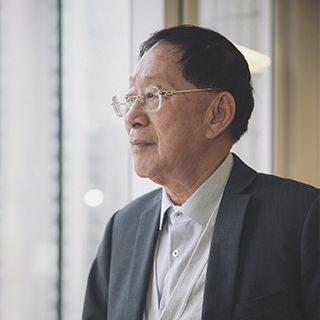
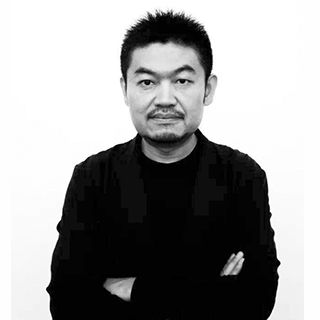
Zhang Pengju, male, Han ethnicity, born in April 1963 in Zhangjiakou City, Hebei Province, a member of the Communist Party of China, holds a doctorate, and graduated from the Institute of Architecture at Southeast University. National First-Class Registered Architect, National Master of Engineering Survey and Design, Dean and Professor of the School of Architecture at Inner Mongolia University of Technology, and Chairman of Inner Mongolia University of Technology Architectural Design Co., Ltd. Zhang Pengju has created numerous architectural masterpieces, guiding the healthy development of architecture in Inner Mongolia and the remote regions of western China. In 2012, he was named one of the “100 Architects of Contemporary China.” In 2022, he/she was publicly nominated as a candidate for the Liang Sicheng Architecture Prize. In 2023, he/she was awarded the National May Day Labor Medal. It has also been awarded the Design Gold Award by the World Association of Chinese Architects and the First Prize in the industry from the China Exploration and Design Association. In September 2025, the “Xiwusutu Village Community Center” by Zhang Pengju’s team was awarded the 16th Aga Khan Award for Architecture.

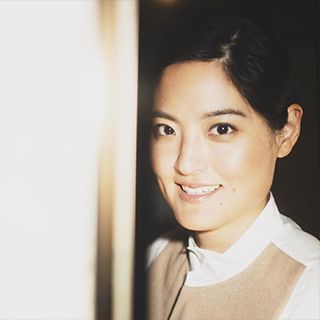
Wang Fei is the Executive Chief Architect and a Senior Architect at Harbin Institute of Technology Architectural Design Research Institute Co., Ltd. In 2016, he/she graduated from the School of Architecture at Harbin Institute of Technology and was awarded a doctoral degree. The firm’s projects have repeatedly been awarded the Architectural Design Award of the Architectural Society of China, the First Prize for Outstanding Survey and Design in the industry, and the First Prize for Excellent Engineering Survey and Design at the provincial level, among others. Has published more than 20 academic papers in specialized journals such as Architectural Journal, New Architecture, Urban Architecture, and Architecture & Culture. Participated in more than ten research projects.

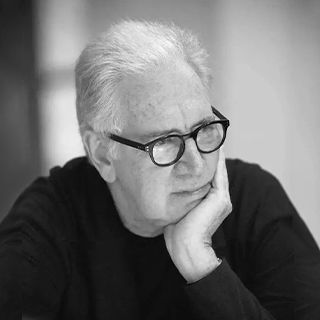
Zaha Hadid was born in Baghdad in 1950, studied mathematics in Lebanon, and later enrolled at the Architectural Association (AA) in the United Kingdom in 1972 to pursue architecture. In 1979, Zaha Hadid established her own firm, Zaha Hadid Architects, and quickly gained international acclaim for her groundbreaking designs in international competitions held in Hong Kong, Germany, and Wales. As an architect who continually pushes the boundaries of architecture and urban design, her work explores innovative spatial concepts, enhances existing urban landscapes, and spans all design scales—from the city to interiors and furnishings. She is renowned for her groundbreaking architectural works, including the Heydar Aliyev Center, Galaxy Soho, the Salerno Maritime Terminal, the Antwerp Port House, and the Mathematics Gallery at the Science Museum, among others. Born in Baghdad in 1950, Zaha Hadid studied mathematics at the American University of Beirut before starting her architectural journey in 1972 at the Architectural Association in London. By 1979 she had established her own practice in London - Zaha Hadid Architects - garnering a reputation across the world for her ground-breaking theoretical works in Hong Kong, Germany and Wales. Known as an architect who consistently pushes the boundaries of architecture and urban design, her work experiments with new spatial concepts intensifying existing urban landscapes and encompassing all fields of design, from the urban scale to interiors and furniture. She is well-known for some of her seminal built works, such at the Heydar Aliyev Centre, Galaxy Soho, Salerno Maritime Terminal, Port House Antwerp, The Winton Gallery at the Science Museum, etc.
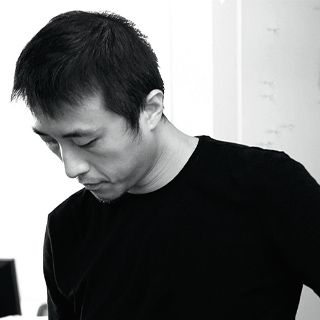
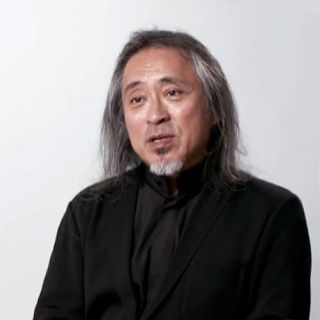
From 2000 to 2010, Li Hu worked at Steven Holl Architects in the United States, becoming a partner of the firm in 2005. He established and led its Beijing studio, during which he designed a series of urban architectural projects that have exerted significant influence through their successful integration of green, sustainable design and the creation of vibrant urban public spaces—among them Beijing’s Parkview Green, Shenzhen’s Vanke Center, Chengdu’s Raffles City, and Nanjing’s Fang Fang Art Museum. Among them, Contemporary MOMA was awarded the 2009 Tall Building Award by the Council on Tall Buildings and Urban Habitat; Shenzhen Vanke Center is China’s first LEED‑Platinum‑certified green building and received the American Institute of Architects’ Honor Award for Architecture in 2011.
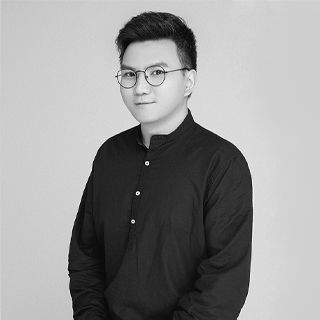
Most of our projects are located in remote rural areas, rendering conventional architectural practice ill‑suited to the context. Accordingly, we have long traversed project sites, dedicating substantial on-site time to each endeavor, in an attempt to forge a mode of “place‑based” creation—sifting through the fragments of history, cultural context, and nature that linger, often in scattered or even sensuous forms, within the present moment and its spatial‑temporal coordinates.
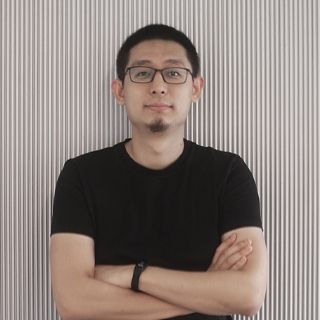
“In classical Chinese, ‘zǐ’ can refer to a craftsman, and ‘jí’ means to gather or bring together… We’ve always placed great importance on the community, and there’s also an element of local sentiment—of affection for one’s hometown—embedded in it… Our studio is based in Shenzhen mainly because the air is relatively clean; of course, the industry itself is equally vibrant and unburdened by rigid, conventional discourse.” We aim to harness design as a driving force, actively engaging in community development, urban–rural regeneration, and cultural preservation.