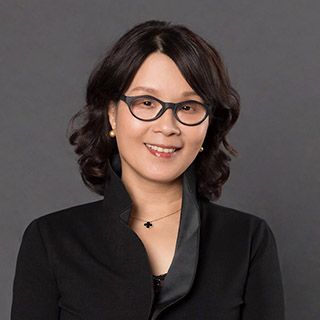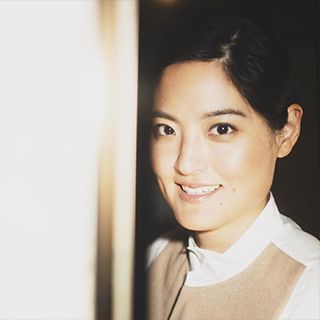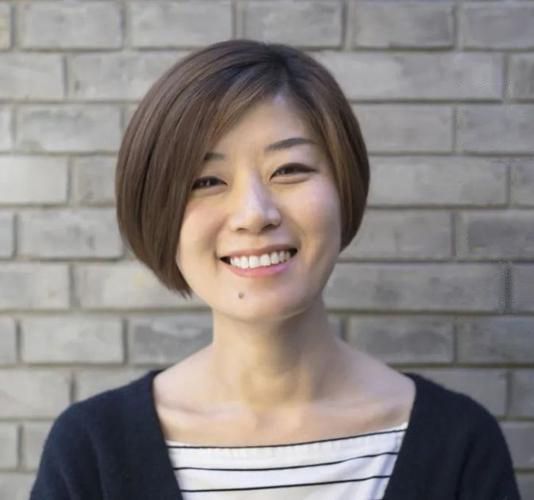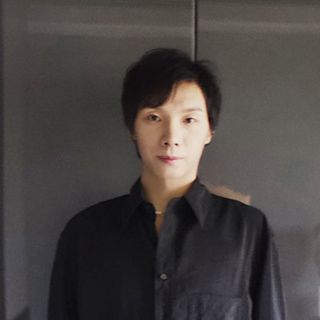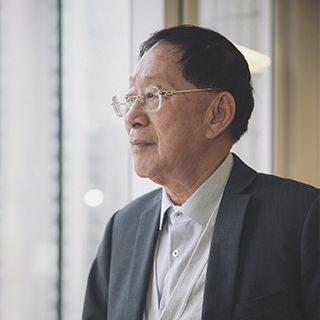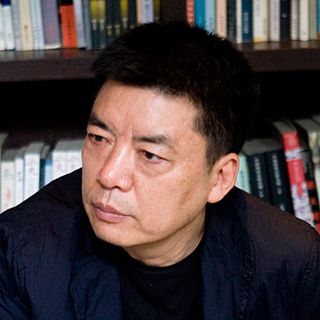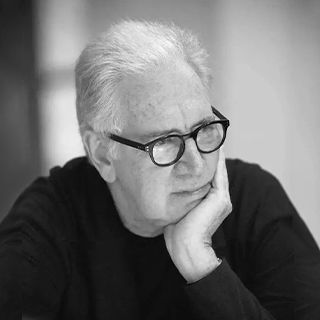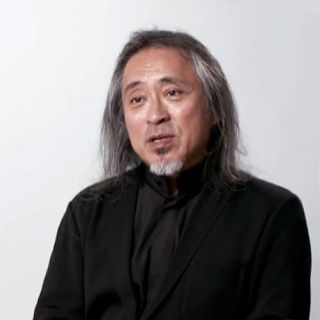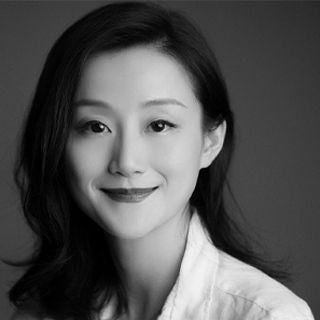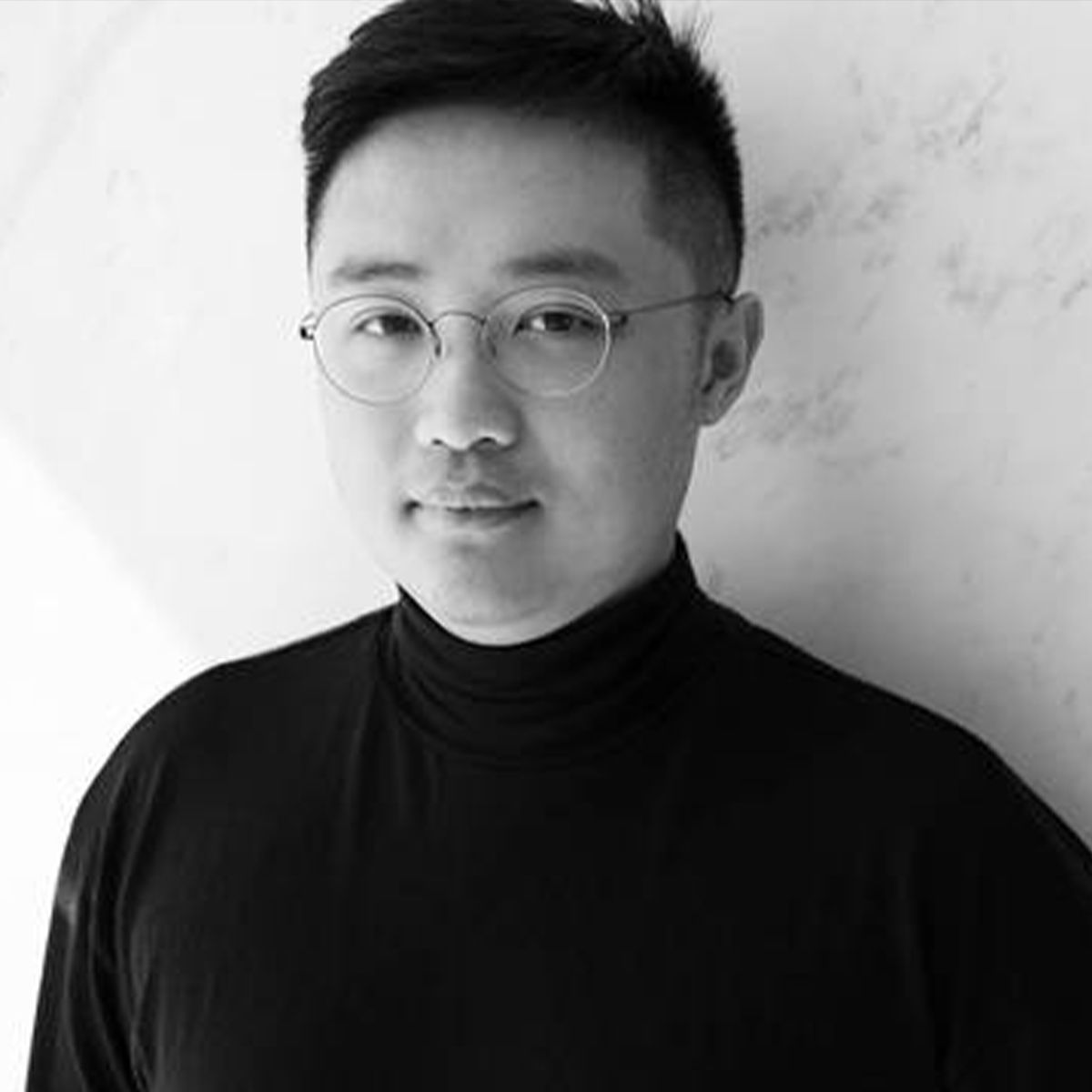
Born in Fuzhou, Fujian, he graduated from the China Academy of Art with a major in Integrated Design. His graduation project was awarded the Gold Medal of the China Academy of Art and the Lin Fengmian Creation Prize, and his work has been permanently collected by the institution. The design portfolio spans a wide range of sectors, including shopping centers, cultural‑tourism hotels, municipal landscapes, luxury residential estates, new retail, and industrial‑office complexes. Design Ideal has long been committed to exploring Chinese culture; whether in interior design, architectural design, or landscape design, it treats these fields as an integrated body of inquiry, transcending the conventional boundaries of specialized disciplines. He believes that, whether large or small in scale, a building’s very existence in the world hinges on the mindset of the people within it; thus, in his design process, he places greater emphasis on the experiences and sensations of those who inhabit it.


In the future, I hope that design will remain at the heart of what we do—after all, it’s a truly powerful way to engage with society and the world. Carrying on with this matter and doing it well is my only plan.
Bachelor of Urban Planning, School of Urban Planning and Architectural Design, Chongqing University of Architecture, Master of Urban Planning, School of Urban and Environmental Sciences, Peking University, Master of Landscape Design, University of Massachusetts (UMASS), USA. He worked as a senior designer in Beijing Native Landscape, American EDAW (one of the four major landscape design companies in the United States), American Stephen StimsionAssociate Landscape Office, and American MarthaSchwartz Landscape Office (MSI).
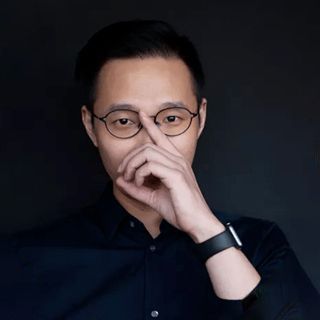
Founder and Principal Architect of MUDA Architects Royal Institute of British Architects Chartered Architect (RIBA) With a bachelor’s degree in traditional Chinese architecture, I strive to engage in continuous critical reflection throughout the design process, placing great emphasis on comprehensive project management—from conceptualization to on-site implementation. In March 2015, MUDA-Architects was founded in Beijing, China, and Boston, USA. In June 2017, the Chengdu office of MUDA-Architects was established, and I have since led and overseen the firm’s design practice across China and around the world. Before founding MUDA Architects, he worked successively at MAD and the German architectural firm gmp International, where he contributed to the design of several large-scale projects, including the Lianyungang Industrial Exhibition Center, Hangzhou South Railway Station, the Tianjin Binhai Cultural Center, and the Beijing Central Park Complex. He possesses hands-on experience in managing the entire project lifecycle, from initial conceptual design through to detailed construction oversight. Currently focused on design practice at Muda Architecture, he has led his team to win the Residential Stadium International Competition in the United States and first prize in the Xinglong Lake Bookstore Competition, among other accolades. He has also served as project lead for such projects as the Yunjing Garden Hot Pot Restaurant, the Xinglong Lake Bookstore, the PingLe M50 Art Hotel, the Haikou West Coast Park Visitor Center, and the Pengzhou Tianfu Museum of Traditional Chinese Medicine.
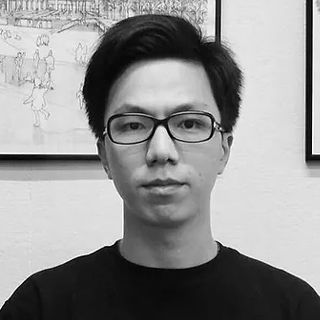
My science is architecture. Compared with urban design, architecture is a more professional discipline, while urban design is a more comprehensive discipline, which will cover the content of architecture, as well as planning, landscape and even operation and policy. I personally have a strong interest in urban architecture and urban space design, which is why I choose to continue to study urban design. I studied in exchange at Munich University of Technology and also studied urban design in GSD. I found that the urban design in Germany is quite different from that in the United States. In Germany, the literal translation of urban design (Städtebau) is "urban architecture", which also shows that urban design in the context of German culture pays more attention to the influence of urban texture and the shaping of architectural space on the behavior of citizens, and discusses how to create a more harmonious and sophisticated space atmosphere. In the United States, urban design (Urban Design) is more like a pan-dimensional system discussion, the design as a perspective, to think and deal with the city's problems. In many cases, in addition to physical space, policy and operational issues are also discussed. Sometimes, for urban design, European culture likes to say Small is Beautiful, pursuing exquisite urban space, elegant urban experience and comfortable urban environment. American culture prefers to say Make No Little Plans, pursuing the overall effect, the balance of all parties and the development of the system.
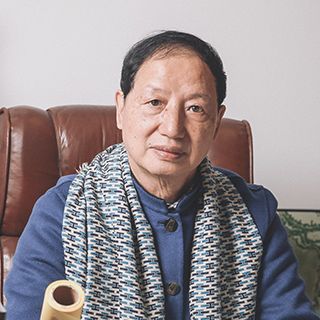
Senior Chief Architect "Shanghai top ten 90 s landscape" design master Young and middle-aged experts with outstanding national contributions Expert who receives the special government allowance awarded by the State Council Winning Fok Ying Tung "Contribution Award" Honor Major Academic Achievements The author of the book "The Rhyme of Originality", the main papers include "New Buildings Crossing the Times", "Creating the Melody of Urban Beauty", "Starting from" Iconic Buildings-Milestones "," Looking Forward to Shanghai's New Construction "," Crossing Time and Space "Sino-foreign Architectural Design Cooperation. Major representative works Huashan Hospital, Shanghai Museum, Bund Landscape Belt, People's Square and Municipal Government Building, Shanghai 2010 World Expo (Park Planning), Deng Xiaoping's Former Residence
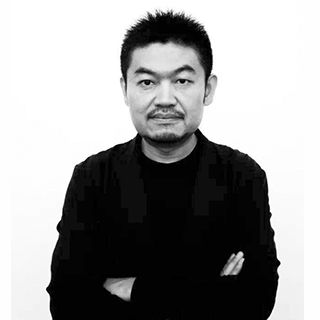
Personal Profile: In 1994, he graduated from the Department of Architecture at Tsinghua University with a Bachelor of Architecture degree. In 1997, he/she was awarded a Master’s degree in Architecture from Tsinghua University. In 1999, he graduated from the Yale School of Architecture with a Master of Architecture degree, and subsequently worked at Westfourth Architecture in New York and at the architectural firm Herbert Beckhard–Frank Richlan. In 2003, he returned to Beijing and launched an independent architectural practice, co-founding UAS Puzhu Design. During this period, he also served as a jury member for architectural design courses at both the Central Academy of Fine Arts and the School of Architecture at Tsinghua University. In 2009, TAO Architectural Firm was founded. Professional Achievements: Hua Li has led the design of several significant projects, including the Changmeng Care Center, the Northeast Normal University Sports Center, the Gaoligong Handmade Paper Museum in Yunnan, and the post‑disaster reconstruction of Xiaoquan National Primary School in Deyang, Sichuan. His designs and interviews have been featured in both domestic and international architectural media, such as *Times Architecture*, *World Architecture*, *Architecture Journal*, as well as *Domus*, *AREA*, *A U*, *Abitare*, *Space*, and *Casabella*. TAO (TRACE ARCHITECTURE OFFICE), founded in Beijing by architect Hua Li, is a design firm specializing in architecture, urban planning, landscape architecture, and furniture design. TAO focuses on the intrinsic significance of space and construction in architecture, as well as the social and ecological impacts of the architectural production process. TAO adopts a critical stance toward architecture’s transformation, within the context of globalized consumerism, into a mere fashion icon or formal dogma. The exploration of such themes as the creation of place‑specific meaning, site‑ and climate‑responsive design, materiality and construction methods, and the rational use of resources forms the core of TAO’s project practice.