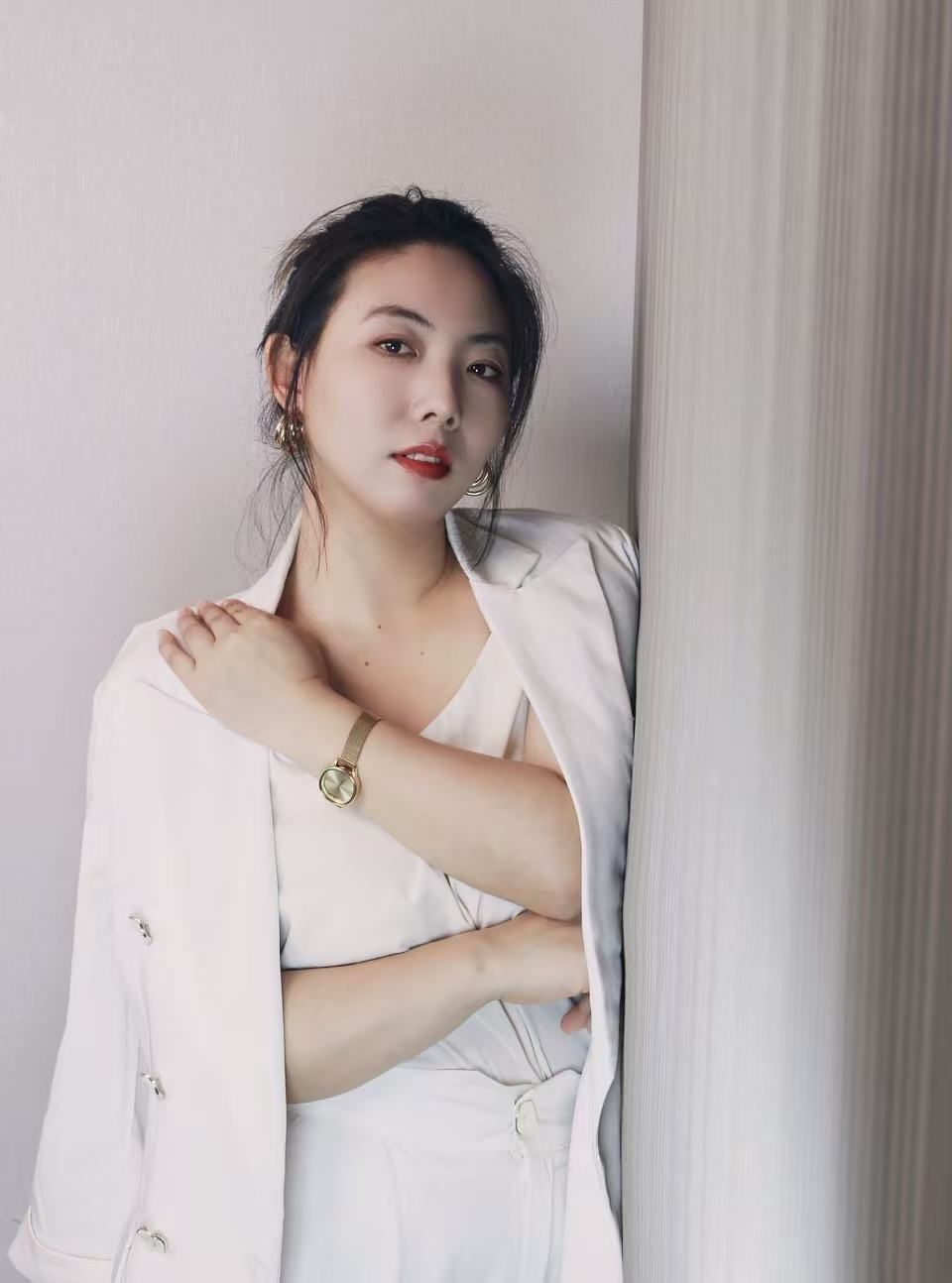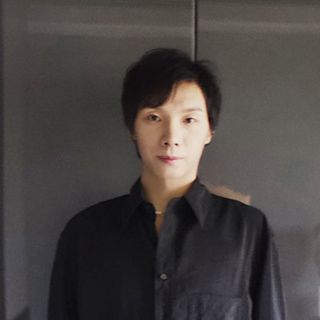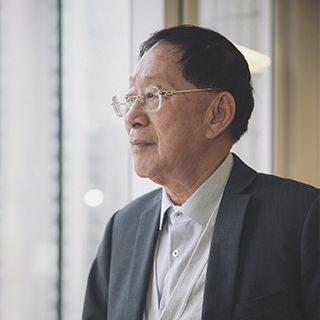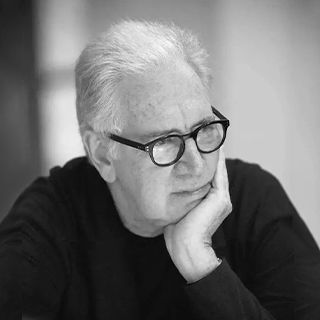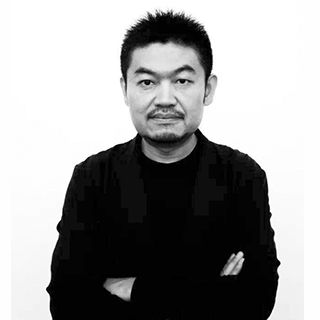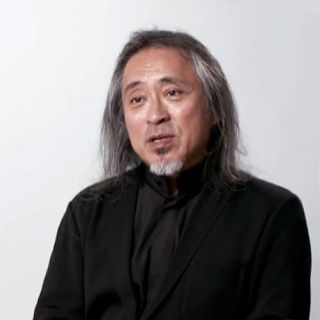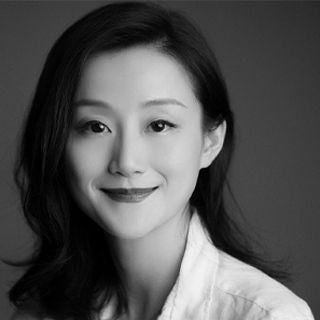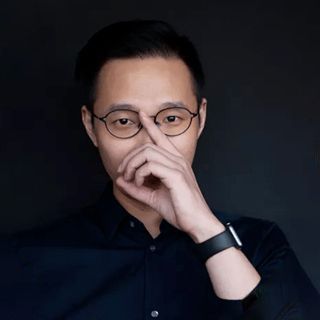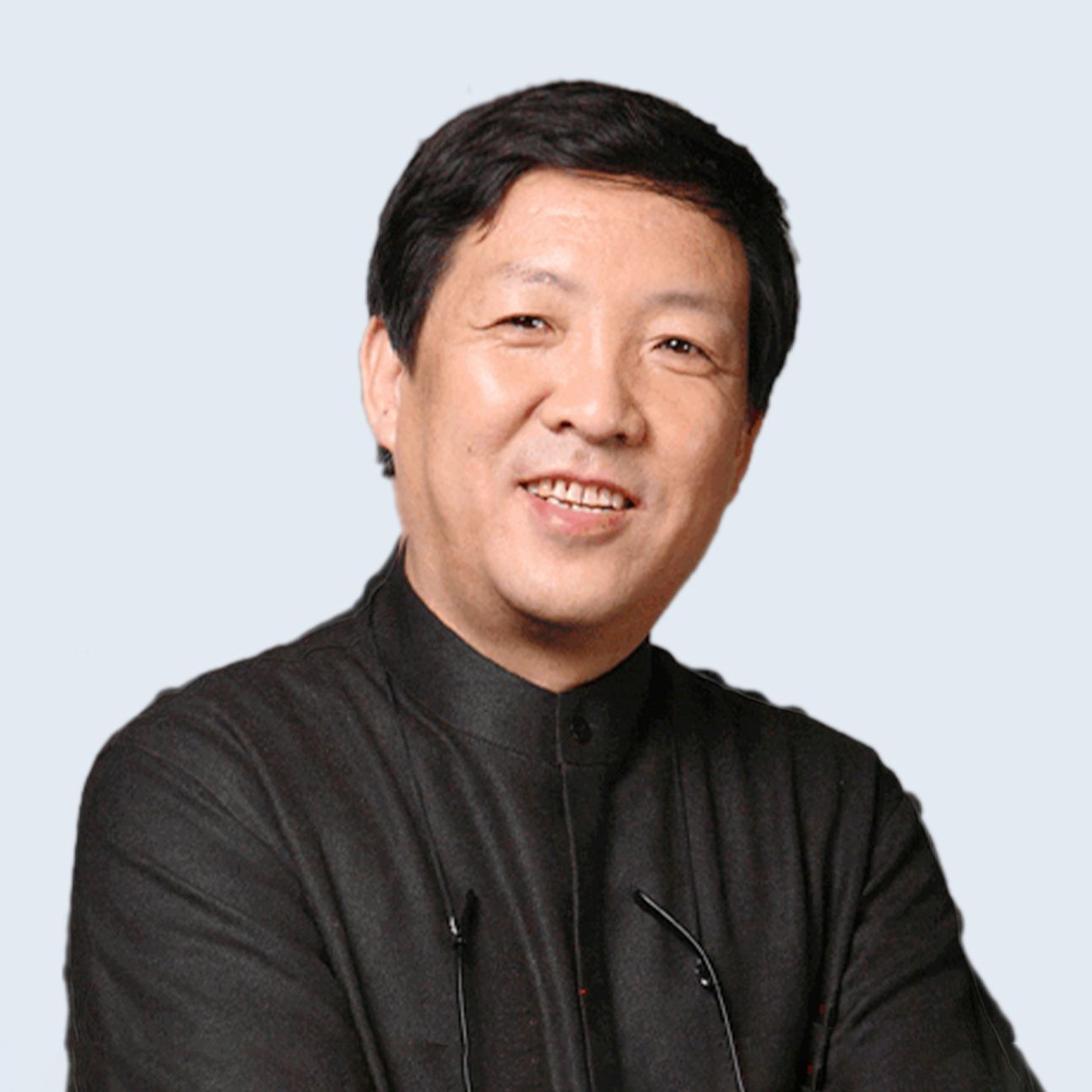
For him, architecture is a form of aesthetic appreciation. The beauty of form, the beauty of design, the beauty of technology, and the beauty of materials—immerse yourself in them. For him, architecture is a form of culture. The beauty of historiography, the beauty of philosophy, the artistry of literature, and indeed the myriad facets of everyday life are all encompassed within it. For him, architecture is a form of communication. Managers, investors, builders, and users come together, forging consensus and mutual encouragement to achieve shared success. For him, architecture is a vocation. Professional ethics, social responsibility, corporate image, and personal integrity are all fully embodied herein. For him, architecture is a journey. The long journey begins with a single step; stay grounded, pursue knowledge with dedication, and find joy in the process.


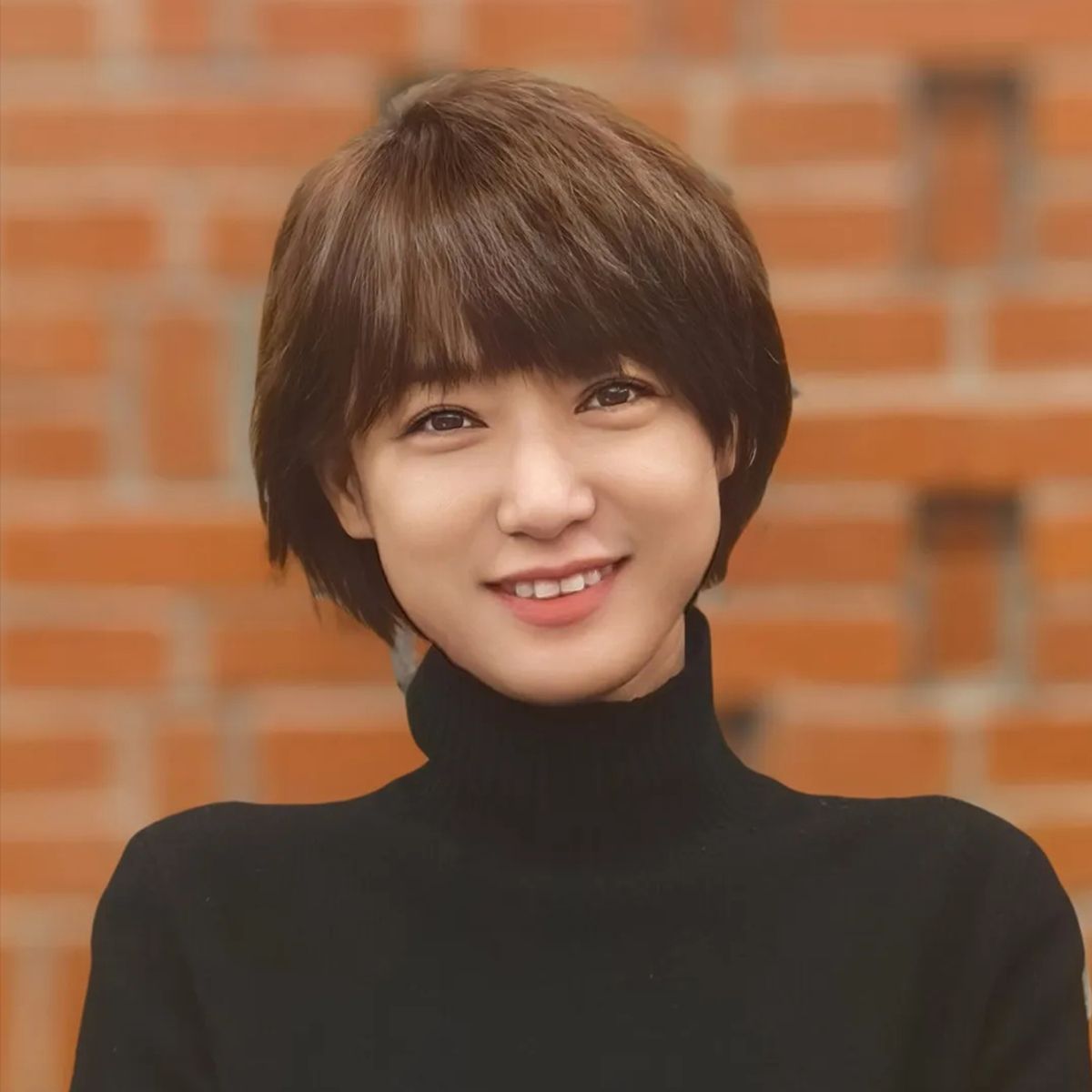
Wang Fei is the Executive Chief Architect and a Senior Architect at Harbin Institute of Technology Architectural Design Research Institute Co., Ltd. In 2016, he/she graduated from the School of Architecture at Harbin Institute of Technology and was awarded a doctoral degree. The firm’s projects have repeatedly been awarded the Architectural Design Award of the Architectural Society of China, the First Prize for Outstanding Survey and Design in the industry, and the First Prize for Excellent Engineering Survey and Design at the provincial level, among others. Has published more than 20 academic papers in specialized journals such as Architectural Journal, New Architecture, Urban Architecture, and Architecture & Culture. Participated in more than ten research projects.
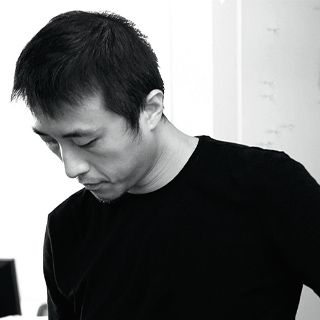
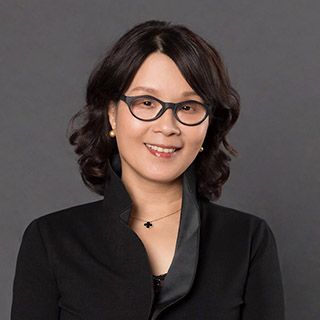
From 2000 to 2010, Li Hu worked at Steven Holl Architects in the United States, becoming a partner of the firm in 2005. He established and led its Beijing studio, during which he designed a series of urban architectural projects that have exerted significant influence through their successful integration of green, sustainable design and the creation of vibrant urban public spaces—among them Beijing’s Parkview Green, Shenzhen’s Vanke Center, Chengdu’s Raffles City, and Nanjing’s Fang Fang Art Museum. Among them, Contemporary MOMA was awarded the 2009 Tall Building Award by the Council on Tall Buildings and Urban Habitat; Shenzhen Vanke Center is China’s first LEED‑Platinum‑certified green building and received the American Institute of Architects’ Honor Award for Architecture in 2011.
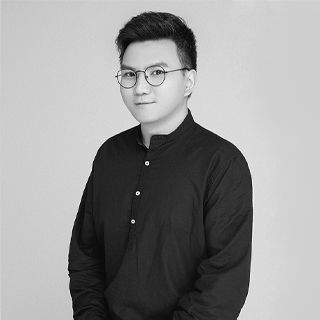
Most of our projects are located in remote rural areas, rendering conventional architectural practice ill‑suited to the context. Accordingly, we have long traversed project sites, dedicating substantial on-site time to each endeavor, in an attempt to forge a mode of “place‑based” creation—sifting through the fragments of history, cultural context, and nature that linger, often in scattered or even sensuous forms, within the present moment and its spatial‑temporal coordinates.
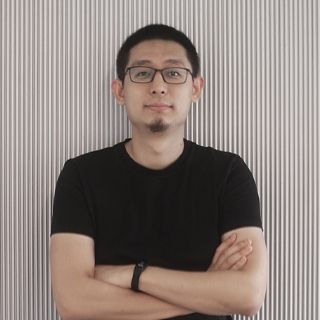
“In classical Chinese, ‘zǐ’ can refer to a craftsman, and ‘jí’ means to gather or bring together… We’ve always placed great importance on the community, and there’s also an element of local sentiment—of affection for one’s hometown—embedded in it… Our studio is based in Shenzhen mainly because the air is relatively clean; of course, the industry itself is equally vibrant and unburdened by rigid, conventional discourse.” We aim to harness design as a driving force, actively engaging in community development, urban–rural regeneration, and cultural preservation.
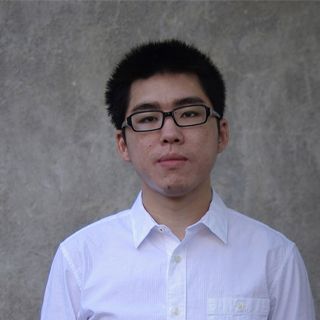
I don't think that design is exactly what some modernists believe is that the creator created the world; we may be more like planting trees to plant some space for life and stories to grow in. Everything is spiritual and beautiful. We believe that every small or grand space contains the mysteries of the world and the glory of life. Designers are not creators, but tree planters. We want to carefully plant each tree in a quiet and robust space where life and stories can flourish.
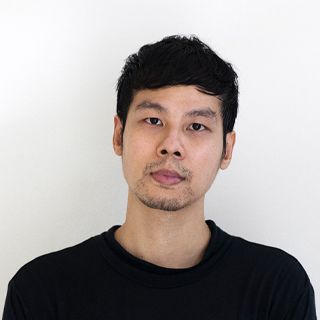
Our architectural design is a prototype, which can also be imagined as a space that can be reassembled. These buildings fully express the naturalness of Asian architecture and how to find another new possibility in the reinforced concrete city.
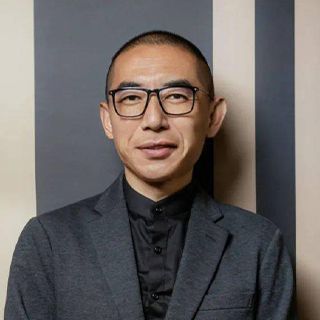
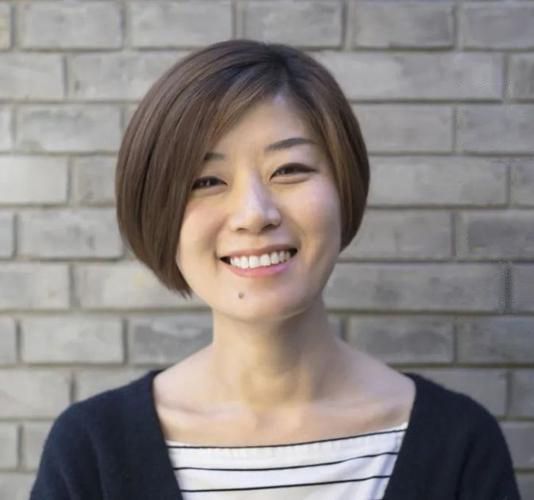
Zhang Li (1970-), currently a professor, doctoral supervisor and deputy dean of the School of Architecture of Tsinghua University, editor-in-chief of World Architecture, hosted by Jianmeng Studio, executive director of the Architectural Society of China, and deputy chief architect of the Architectural Design and Research Institute of Tsinghua University,. Its main academic concern is the interaction between architectural space and the human body, and it is committed to the contemporary interpretation of Oriental space philosophy, advocating "soft sustainability" and active healthy space.
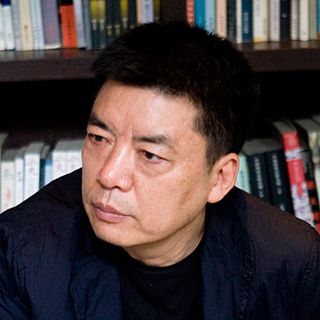
Architecture is not merely for “looking at”; it contains many elements that can only be appreciated through attentive observation or a measure of specialized knowledge. Moreover, some aspects remain invisible yet profoundly shape our perceptions and behaviors. And the details each have their own function, which professionals understand. I hope my architecture possesses architectural qualities in every respect; let us continue to strive.